
We are Illinois lawyers, who since 2001, have been offering legal guidance and attorney referrals to help people find the best nursing home injury lawyer for their case. Call our office at 312-346-5320 or 800-517-1614 to speak with an attorney for FREE and get pointed in the right direction. Or fill out our contact form to tell us about your situation and we will contact you.
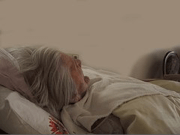 Bedsores are a sign of patient neglect. If you know or suspect someone is suffering from bedsores do not hesitate to take action – they are serious and should be addressed immediately. Not only are they extremely painful, but they can lead to other health problems and can even be life threatening. These problems usually should not happen and can be a sign of nursing home abuse and/or medical malpractice.
We started illinoislawyers.com to help people find lawyers for their specific legal problem or issue, and we have done so for hundreds of thousands of people over the years. If your loved one is suffering from bedsores and you suspect neglect, our goal is to use our resources and network of contacts to refer you to an attorney with years of experience evaluating and pursuing bedsore cases. You shouldn’t have to watch a loved one suffer, especially if their suffering could have been prevented. We get that, and we will recommend an attorney who gets that, too.
Bedsores, also called pressure sores or ulcers, usually occur when a patient is bedridden. Nursing homes or hospitals should help these patients move and change position often in order to prevent such injuries. When someone is left in the same position too long, the pressure on bony areas – hips, buttocks, shoulders, lower back, ankles, heels, etc. – decreases blood flow and can start to damage the tissue. This can happen in as little as 12 hours.
Bedsores can be prevented not only by movement, but by keeping the patient and their bed clean, keeping the patient well nourished, and using the right support (mattresses, pillows, etc.) to relieve pressure on susceptible areas. The risk of bedsores is increased by dampness, or friction (such as when the head of the bed is raised and the person slides down). The first sign of a bedsore is redness. Left unattended, the skin can then wear away and develop into a deep sore.
Bedsores can take a long time to heal and can even require surgery. If left untreated, they can cause bone, blood or skin infections. Again, these problems can be prevented simply by providing someone appropriate medical care.
If you have a family member who you know or suspect has bedsore or related injuries, take action to get them treatment. Talk to the nurses, doctors and staff. File a complaint with the Illinois Department of Public Health. And if you want to talk to a lawyer, contact us. We can help you find an experienced Illinois attorney to advocate for you and your family member.