
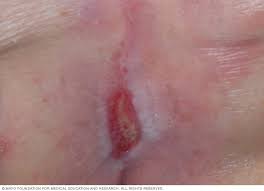
What is a Hospital Bed Sore?
A bed sore (also known as a pressure ulcer or pressure sore) is a localized skin and tissue wound that develops when prolonged pressure is applied to a specific area of the body.
Bed sores commonly occur during extended hospitalizations or intensive care unit (ICU) stays when a patient is bedridden or has limited mobility. Because patients spend consecutive hours on their backs, these ulcers most frequently develop on the back, buttocks, hips, heels, and legs.
Stages of Bed Sores and Medical Severity
Medical professionals classify pressure ulcers into four primary stages based on severity:
- Stage 1 & 2: Mild, superficial skin redness or minor blistering. These are typically treatable with topical medical creams and frequent repositioning.
- Stage 3 & 4: Severe, deep-tissue wounds where significant tissue death (necrosis) occurs. In the most extreme scenarios, the wound can expand to the size of a fist or deeper, exposing underlying muscle, tendons, and bone.
What is Wound Debridement?
For Stage 3 and Stage 4 ulcers, surgical intervention is often required. This procedure is called wound debridement—the medical removal of dead, damaged, or infected tissue to clean the wound and allow the remaining healthy tissue to heal.
Why Do Hospital Bed Sores Happen?
The Centers for Medicare & Medicaid Services (CMS) classifies severe, hospital-acquired pressure ulcers as a “Never Event”—meaning they are entirely preventable and should never occur under proper medical care.
When a patient develops a severe ulcer, it is usually a direct indicator of hospital neglect. Common systemic causes include:
- Failure to Reposition: Medical staff neglecting to turn or shift immobile patients every two hours.
- Inadequate Skin Assessments: Failing to inspect a patient’s skin surfaces daily for early signs of breakdown.
- Chronic Understaffing: Low nursing and assistant levels, leading to delayed patient monitoring.
- Malnutrition and Dehydration: Failing to provide the proper nutritional support necessary to maintain skin integrity.
When Can You Sue a Hospital for Bed Sores in Illinois?
To successfully sue an Illinois hospital for a bed sore, the case must meet specific medical and financial viability criteria:
| Bed Sore Severity | Legal Viability & Lawsuit Success | Estimated Case Value |
|---|---|---|
| Minor / Superficial(Stage 1-2) | Low. The cost of bringing a medical malpractice lawsuit in Illinois typically exceeds the financial recovery value of a minor, quickly healed wound. | Generally not financially viable for a lawsuit. |
| Severe / Deep Tissue (Stage 3-4, requiring surgery) | High. When the ulcer requires significant medical intervention (like debridement), causes sepsis, or permanently impacts recovery, a lawsuit is highly likely to succeed. | $100,000 to millions of dollars, depending on hospital negligence and the ultimate health outcome. |
Illinois Bed Sore Lawsuit Legal Fees
Every malpractice attorney recommended by IllinoisLawyers.com works strictly on a contingency fee basis.
- No Upfront Costs: You pay nothing out of pocket to file or investigate the case.
- No Fee Unless Successful: The legal team only collects a fee if they win a settlement or jury verdict.
- Statutory Fee Cap: By Illinois state law, medical malpractice contingency fees are strictly capped at 33.3% (1/3) of the total financial recovery.
Action Steps: What to Do If a Loved One Develops a Bed Sore
If you discover a pressure ulcer on a hospitalized family member, take these immediate actions to protect their health and secure evidence for a potential legal claim:
- Alert Medical Staff Immediately: Demand an immediate evaluation by a wound care specialist and a change in the patient’s turning schedule.
- Document with Photos: Take clear, high-resolution photographs of the wound immediately. Visual evidence of a “never event” provides powerful leverage in a malpractice lawsuit.
- Request Full Medical Records: Secure copies of daily skin assessment logs and charts detailing how often the patient was repositioned.
Frequently Asked Questions (FAQ)
Can a hospital bed sore cause death?
Yes. Untreated or severe Stage 4 bed sores can allow bacteria into the bloodstream, leading to sepsis (a life-threatening systemic infection), organ failure, and ultimately death.
How quickly can a pressure ulcer form?
A pressure ulcer can begin forming in as little as 2 to 3 hours if a patient is left completely immobile on a firm hospital mattress without repositioning.
Do I need a specialized medical malpractice lawyer?
Yes. Illinois medical malpractice laws are complex, requiring an expert certificate of merit to even file a case. Working with an experienced attorney who understands the specific medicine behind pressure ulcers gives you the best chance of legal success.
Get a Free Case Review
If someone you know has suffered from a severe hospital-acquired bed sore in Illinois, contact IllinoisLawyers.com at (312) 346-5320 or toll-free at (800) 517-1614 for a free, confidential consultation with an experienced attorney.