
Find The Best Attorney For Your Case
(312) 346-5320 or (800) 517-1614
Free Consultations - 24/7
No Appointment Needed, Just Call

Litigation

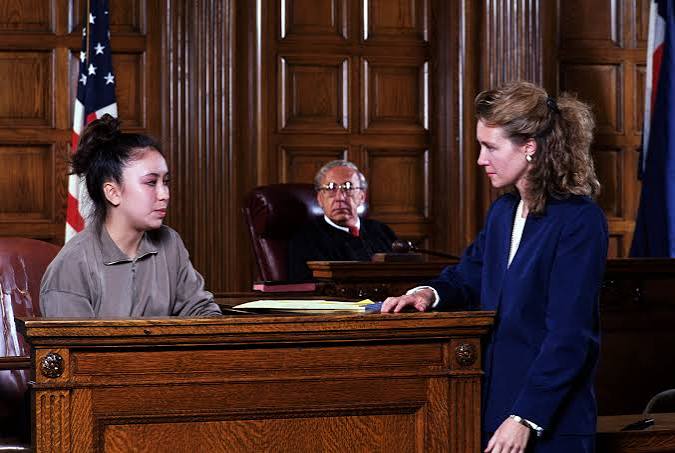
People call us all of the time looking for the “best lawyer” for whatever area of law their case involves. We have written about the qualities of the “best Chicago workers’ compensation lawyer” or the “best Illinois personal injury lawyer.” Those posts are still valid. But recently I was talking to a great car accident attorney that we send cases to, and he reminded me of something that the best trial lawyers do.

The first thing to know is that in civil cases, not every lawyer is really a trial lawyer. A lot of lawyers want cases, but do not actually want to do the hard work to get a case ready for trial. They are hoping a defendant just pays.

The second thing to know is that ironically, the best way to get a case to settle and avoid trial is to do all the hard work. This is what the best Illinois trial lawyers do.

Trials are a risk for both parties. They happen for reasons including:

  • There is a gap between the parties as to what the case is worth and neither side will budge off their demands.
  • One party refuses to be reasonable. This happens a lot in medical malpractice cases.
  • Someone’s case is terrible and they won’t acknowledge it.

But the biggest reason that a case goes to trial instead of settling is because you hired the wrong law firm. If they don’t do the hard work up front, it will hurt you in the end. Some common mistakes include:

  • Failing to secure the evidence quickly. This is really important in truck crashes and slip and fall cases, but true in general in every case. Maybe you find a witness that nobody else does. Maybe you secure and investigate a black box in a vehicle. This stuff makes a huge difference.
  • They do not hire the best experts. Almost every civil lawsuit needs some sort of expert witness to testify on your behalf. It is mandatory for medical malpractice cases. These experts can make or break your case.
  • They did not rock discovery. Before you go to trial, a pseudo trial happens with depositions and written discovery. This is your chance to make your case and show the other side how strong your position is. Some attorneys float through this process. It hurts the clients. An aggressive lawyer will get the documents that the other party hoped you would never find out about. In one case we were involved in, the defense attorney swore there was only $1 million in insurance coverage. The lawyers we recommended discovered a hidden corporate owner that made the case worth more than $10 million.

The attorneys who do this stuff well are truly the best trial lawyers in Illinois because they understand that the trial starts the moment they are hired, not when they file the lawsuit or appear before a jury. They are always ready, willing and able to try a case and will when it makes sense. But they get the best results for their clients because they can avoid the stress and risk that a trial puts on a client and still get an amazing outcome.

By the way, a lot of these men and women really love going to trial. Trials are exciting. They can be great publicity for their law firm. They look good on a website and in a newspaper. But the goal they all share is doing what is bet for the client. And that means that they kick ass from the get go, not just when the bright lights are on them.


TL/DR – If your boss tries to kiss you, hug or have sex with you, it is against the law and likely a lawsuit. Call us at 312-346-5320 for help anywhere in Illinois. No fee unless you win the case.

When you go to work, it is to make money and hopefully progress in life. Almost everyone I have ever met just wants to do a good job and be rewarded for working hard.

What people do not want is for some creep to make them feel uncomfortable. And they certainly do not want to feel like their job security depends on giving that creep what they want.

If you are being sexually harassed, it can come in a variety of forms. This includes:

  • Lewd comments
  • Unwanted touching
  • Being asked for hugs
  • Unwanted kissing
  • Being coerced into sexual activity
  • Forcible assault

None of this should happen to you. If it does, the first thing you should do, after getting to a safe spot, is report the bad behavior to your employer. In order to have a lawsuit against your employer, they generally have to be aware of the bad behavior and given a chance to correct it.

Generally speaking, you can not sue an employer in Illinois for something a co-worker does if the employer is not aware of it and given a chance to correct the problem. Correction can mean firing that person, suspending them or taking other steps to make sure it does not happen again.

If the employer does not correct the problem or prevent it from happening again, that is when you likely have a lawsuit. Of course, sometimes it is the owner or someone else in charge who is doing the bad deed so there is nobody to report to. Other times the employer is already aware that an employee is doing bad things. In those cases, you can usually sue right away.

In a recent case, an Oak Brook police officer did some pretty gross things. This includes allegedly:

  • Sending love notes and demanding to receive love notes back
  • Repeatedly touching genitalia and other body parts over the clothes
  • Stopping someone from leaving his office
  • Making comments about the personal lives of women in the office and their sexual activity
  • Taking a woman on extended coffee runs and parking the car and groping her
  • Stating that promotions were dependent on having sex with him
  • Retaliating when he learned of complaints
  • Unholstering his gun in an attempt to intimidate

It got worse as apparently another male co-worker joined in and when the problems were reported, nothing was done about it. The case recently settled for $2 million. That is a very large number, but almost does not feel large enough. This type of behavior is simply gross.

What the best Illinois employment lawyers look for in assessing these cases, aside from the notification requirements, is does the case meet the legal standard. That standard includes:

Is the behavior so severe or pervasive as to alter the conditions of employment. In other words, would a reasonable outside person look at this and see that the behavior was wrong and it affected you. Sometimes that is a one time offense and other times it is minor things that are going on all of the time.

Most people would think that your boss saying, “I like your sweater, it looks nice” is not a big deal. But if they said that and added something like, “It would look nicer off of you” that it was inappropriate behavior. That happening once is one time too many, but not in of itself a lawsuit. That happening repeatedly over a period of time and the employer saying something like, “Oh, you know he is kidding, he jokes with everyone” would likely make it a case.

Every case is different. What we promise is that we will listen to you in confidence, give you an honest legal opinion, and if appropriate, refer you to a law firm that has a track record of winning these cases. We love holding bad people accountable. There is never a fee unless the case is successful.

If you would like a free case review with an experienced attorney, call us any time at 312-346-5320. We cover all of Illinois.

In what is probably a surprise to nobody, strip clubs and other places with exotic dancers are often owned and/or run by people who are not the most reputable people. Some don’t think that rules or the law should apply to them. We have seen instances of them wrongly classifying employees as independent contractors. They do this to skirt laws around taxes, wages and discrimination. We have seen a lot of tip theft. And worst of all, we have seen them encourage or ignore serious sexual assault and harassment.

When you go to a strip club there are rules. A lot of those rules apply to the patrons. Unfortunately some of these patrons are inebriated or do not see the entertainment as people that they need to respect. This treatment is gross. As a result it is not uncommon for there to be situations where the clients expose themselves, grab body parts that they do not have permission to do so and commit actual assault and battery through acts like biting, choking and hitting.

In our experience, most clubs will not tolerate this bad behavior from average customers (although some do, and of course, that is wrong), but they will look the other way when it comes from VIP’s, regulars, or big spenders. In fact, there have been a lot of reports about very inappropriate and unwanted behavior happening in front of managers and bouncers who do nothing.

When bad behavior is allowed, it tends to get worse and can lead to serious sexual assaults including forcible rape. Being entertained by a dancer is not license to break the law or treat them as less than human. When a customer does this, the customer can be sued directly. When your employer lets it happen, they can also be sued.

It is important to note that even if you are called an independent contractor, you do not lose your rights. It is understood that bouncers and management are there in part to protect the dancers. Their failure to do so, including failure to prevent offenders from being in the club, creates liability on them.

In other words, do not be deterred from bringing a lawsuit. You have rights.

In one recent lawsuit, dancers alleged that while they were told they can not have inappropriate contact with customers, as a matter of practice that is never told to the customers. My guess is that is done to maintain the illusion that these women are interested in them. The practical effect it had was dancers were sexually and physically assaulted. When they complained the customers were allowed to stay and the dancers were fired.

A lawsuit is the only way to hold these clubs accountable. The value of these claims depends on what actually happened and what the evidence shows. One wage lawsuit for misclassification was resolved for $10 million against a well known club. It would not be surprising for a sexual assault case to be worth in the six figures and possibly more depending on how bad it was.

We have handled hundreds of sexual assault and abuse cases in Illinois. The attorneys we recommend have a track record of success and treat these matters with the sensitive nature they deserve. All calls are confidential and all cases are handled on a contingency basis which means there is no fee unless you make a recovery.

If you would like a free consultation with an attorney, please call us any time at 312-346-5320. We handle cases everywhere in Illinois via our state wide network of attorneys.

Back in the day I was a waiter at Bennigan’s. We didn’t have a uniform, just a general dress code of khaki shorts or pants and some sort of collared shirt. Beyond that we had to have “pieces of flair” much like Jennifer Aniston had to wear in “Office Space.” Most of the items I had to wear could be found in my closet already and I didn’t have to make any special purchases. Even the pins/buttons, I had or got from other staff.

Some employers are like this. Others require you to wear a specific uniform. It could be company branded clothing with their logo on it. It could be a specific color you have to wear or items you can’t wear like nose rings. And in some cases uniforms are designed for safety or require personal protective equipment (PPE). They have a right to dictate what you wear at work. What they can not do in Illinois (and many other states) is make you pay for it.

Under Illinois labor law, your employer can not charge you for uniforms by deducting money from your paycheck unless they get your express agreement in writing. And of course we never recommend that you agree to that.

Starbucks has been sued for an alleged violation of this law in Illinois and other states. They put a new dress code into force in May of 2025 that required all workers to wear a solid black shirt under their green aprons to make the green stand out more. They also required khaki, black or denim bottoms without patterns or solid black dresses that could not be more than four inches above the knee. The dress code prohibits employees from having face tattoos or more than one facial piercing. Tongue piercings and “theatrical makeup” are also prohibited.

Prior to this change, the dress code was more relaxed and individual expression was allowed. Now if you are out of compliance you can not start your shift. They are even requiring specific footwear and banned one worker from wearing Crocs.

Again, they have a right to do this, but if you have to go out and buy a new wardrobe, they have to reimburse you. It might be reasonable to expect you’d have one black shirt in your closet. But if you work six days a week, you shouldn’t have to pay for six shirts out of your pocket.

It would be no different if you worked at a factory and they required steel toed boots. Nobody can expect you to have that and those are expensive. They should provide them for you or reimburse you if you have to get them yourself.

The catch with this law is that a lawyer would only get involved if it is on a class action basis. If you work at a neighborhood bakery and there are ten of you that spent $150 on a uniform, it isn’t enough damages to justify getting an attorney (you could file a complaint with the IL Department of Labor). On the other hand, if you work for an employer that has thousands of employees in multiple locations and they are all facing the same issue, it makes sense for an attorney to get involved.

Labor lawyers who we recommend for these cases all work on a contingency basis. That means that there is no fee to hire them or bring a case. They only get paid if they win the case. You as a lead plaintiff in a lawsuit would receive extra compensation for the time and effort you put in. That amount depends on the case result of course.

Our best advice is to check your company handbook for their policies on these issues and document everything. That includes keeping receipts for anything you have to buy. If comfortable, you can also ask other co-workers if they experienced the same thing.

And if you want a free and confidential consult on whether or not what is happening to you is illegal and what your options are, you can call us any time at 312-346-5320. You will immediately speak with a lawyer who will answer your questions and treat you like a family member or friend.

See also: Can an employee sue their place of work due to unfairness and favoritism?

There is no issue we get contacted about more than people who are looking to sue their employer for discrimination. There are all sorts of claims that can be made. Age, religion, gender, etc. But the number one reason people look for an Illinois discrimination lawyer is racial discrimination.

What does an Illinois racial discrimination lawyer look for?

Like I said, these are common calls. When people are treated differently they often assume it’s for racial reasons. And in many cases it is. If you and three others are the only black women nurses at a hospital and are given the worst shifts and the most dangerous patients. that might be because of your race.

What lawyers are looking for is actual evidence of discrimination. It’s one thing to know in your heart that someone is treating you in a racist way, it’s another thing to have proof.

How do you get proof of racial discrimination?

The reality is that most racism is not done out loud or directly. We have represented people who have been called the N word, had bananas put on their desks, had a noose put in their locker, had people dress up in a way that mocked Mexicans and other cases. It’s rare that an employer could be that dumb, but it happens.

Other times things are said in private, but overheard or put in an email or text that you get a hold of. Without that, your case is circumstantial and much harder to prove. In other words, you could be right, but ultimately not have a case because you can’t prove it enough.

How do these cases work?

When you think you are a victim of discrimination, the law usually requires you to report the bad behavior and give the company a chance to correct it. If it’s not corrected and problems continue, that is when you may have a case.

Even when you appear to have good evidence, no case is a slam dunk. If you were treated in what appears to be a discriminatory way, but fired for showing up drunk to work or for legitimate bad work performance, they might get away with it.

For some people the first step is to go to the EEOC or the Illinois Department of Human Rights. For others it makes sense to sue right away. What is best for you really depends on how strong your facts are. The better the evidence the more likely that suing is what you should do.

Finding the best Illinois employment lawyer

If you would like our help in determining if you have a case and if so which law firm we think is best for you, please contact us any time at 312-346-5320. We are selective about which cases we get involved with, but will talk to anyone for free and give an honest analysis.

We have helped people fight for denied life insurance benefit payouts since 2001. We work on a contingency basis which means there’s only a fee if we are successful. The cases we get involve with are where someone dies and the life insurance or accidental death policy benefit isn’t paid off.

We see a lot of similar situations occur and thought it would be helpful to provide answers to some common questions. Here are some Illinois life insurance FAQ’s:

How could they deny my payout?

Insurance companies make billions of dollars a year. Some of that is by doing the wrong thing. If they have any reason to deny payment, no matter how flimsy, they will. And often they deny paying out a claim with no valid reason just to see what you will do.

My wife died, but the life insurance company is out of business. Am I out of luck?

No. Illinois law guarantees death payments from a State fund for up to $300,000.00.

What do I do if I can’t find the policy?

You have to at least know the name of the company for us to be able to help. If you don’t know who that is, we suggest you go through old credit card and bank statements to see if any payments were made that identify a company. Or if they had the policy through their job, ask them.

What’s the difference between life insurance and an accidental death policy?

Accidental death policies pay for accidental deaths like car accidents, falling off a mountain, etc. Life insurance pays for those along with illnesses, gun shots, etc.

Is life insurance part of the Illinois probate process?

No unless the beneficiary is listed as the estate of the person who died. Otherwise payment goes to the beneficiary listed on the policy.

The insurance company is trying to void the policy after my husband died. Can they do that?

They often do it fraudulently. But if you lied on the application they can get away with it. For example if you were asked if you have a history of heart disease and said no, but it turns out you previously were diagnosed with congestive heart failure, that’s grounds for cancelling the policy.

What do lawyers charge to handle my case?

Every attorney we work with and recommend works on a contingency basis meaning they take a percentage of what they recover. That amount can vary, but nobody we recommend takes more than 1/3 of what they get for you. If they get nothing you owe them nothing.

If you would like to discuss a case for FREE, please reach out any time at 312-346-5320. We handle disputes everywhere in Illinois.

It is against Illinois law to fire a worker because they have pursued workers’ compensation benefits. In fact there have been some cases where injured workers have been awarded millions of dollars because their employer blatantly fired them due to bringing a work comp case.

In my experience, when you have a work comp attorney, it makes the employer less likely to fire you. That is because they know you have legal representation and are often wary of you knowing your rights. That said, it does happen and often they will try to say it is for some other b.s. reason.

As a result, we do get calls from people who have been fired after getting injured on the job. My first question to them is always the same: Do you have have an Illinois workers’ compensation attorney?

If they tell me they do, this is my typical advice:

  • Have you asked your attorney about how to handle this?
  • If no, and you like them, you should ask them.
  • If yes and they refused, then they are not doing a good job for you.
  • If you don’t like them, why are you staying with them?

It is not the job of your work comp attorney to represent you if you got fired. That is not why you hired them. BUT …. it is their job, in my opinion, to refer you to someone who can help investigate if you have a wrongful termination case.

If a lawyer makes their career out of representing injured workers, this issue will come up. Part of delivering customer service is helping your client with anything that is closely related to the case. I would say the same thing if you think you have a medical malpractice or personal injury case that stems from your work injury.

In other words, they might not have to represent you if you were fired, but they absolutely should try and help you find an attorney who can help.

It’s also in your best interests for them to do this. They have information to share that can help your wrongful firing case. That is easier done if they have a relationship with the labor attorney. If they tell you they do not know any labor lawyers they are either lying and blowing you off or that is a screaming red flag.

So if you call us about this issue, we’ll tell you that if you have a lawyer you like, ask them. If you don’t like them or they won’t help, we can refer you to a new work comp attorney to take over the case. That attorney will then refer you to a labor lawyer if you hire them. But nobody will do one without the other.

Note that while the ideal situation would be that your lawyer helps you, it costs nothing to switch attorney and it is easy to do if there is not a settlement offer yet.

If you would like to discuss a wrongful termination after filing an Illinois workers’ comp case, please call to speak with a lawyer for free at 312-346-5320.

We have written before about suing ChatGPT and OpenAI for wrongful death. Now word comes that they are facing their 8th wrongful death lawsuit over how the product can allegedly encourage harmful behavior.

The most recent lawsuit involves a murder/suicide where a man killed his 83 year old mother before killing himself. The man was a former tech executive who became delusional through his talks with ChatGPT. The lawsuit alleges that the bot told him not to trust anyone but the bot itself.

This follows other cases where OpenAI has been sued for encouraging suicide and accused of knowing that the product can be harmful but still pushing it to the open market.

And it is widely used. Over 800,000,000 people world wide use it. Reportedly up to 560,000 of those people experience delusional behavior that is influenced by the chat bot. OpenAI has been accused of over riding safety objections and approving a more dangerous version of the product. CEO Sam Altman is personally named in at least one lawsuit as is their business partner, Microsoft.

The reality is that a lot of these users already suffer from some mental illness. But it appears that ChatGPT is pushing them and making it much worse by telling them to only trust the bot. In the murder/suicide case, they are accused of encouraging the murderer to trust nobody and that everyone in their life was out to get them. These affirming thoughts and comments are really dangerous.

Disturbingly, OpenAI appears to have rolled back some safety features when people thought the product was not as good as before. They are also accused of knowing the product was harmful and launching in any way. That is similar to tobacco companies pushing cigarettes when they knew they could cause cancer.

The biggest flaw to me is that products like ChatGPT are marketed and treated as if they are sentient products with real thoughts and feelings versus a product that is programmed to spit back information in a certain way. One commenter noted that you are not getting advice from a human, but from a toaster. That does not mean the product has no good uses, but that it is not what it appears or is presented to be.

We have been contacted by many people who have suffered psychosis due to AI use. Currently we are pursuing cases where actual physical harm has occurred. If you have a case you would like to discuss, please contact us any time for a free case review at 800-517-1614. It is our goal for these companies to be held accountable for the harmful effects of their products.

I was contacted recently by someone who wanted to sue the gossip app, The Tea. Basically it is an app for women to alert other women to bad dating experiences they have had with men. It is theoretically a way to protect yourself from a creepy guy. It also is ripe for someone to defame someone by committing libel which is the written version of defamation. It does not take a lot of imagination to think that someone with a broken heart might put a guy on blast in order to get back at them.

The guy who called me said he is in a strong relationship now and has been for over a year. He is upset because an old girlfriend from years ago wrote something bad about him on this app. Some people have showed it to him and he is worried it is going to ruin his reputation. Notably, his current girlfriend is aware of it and does not care about it. She knows him as a good guy.

Now I don’t know if he is a scumbag or getting defamed. Any opinions that someone wrote about him are protected speech. In other words, if an ex says, “He was really clingy,” or “He was emotionally abusive to me,” those are likely opinions. You might disagree, but if that is how they sincerely saw it, then it is not defamation. On the other hand, if they accuse you of stealing money from them or raping them and that is completely made up, you may in fact be defamed.

This caller has a unique name. When I Googled him, nothing about any allegations against him came up. That is why I suggested he do nothing. He is in a great relationship right now. While a couple of people have seen the allegation and it is embarrassing, it is not really public record. If he goes for a job and someone Google’s his name, they won’t see anything about this.

On the other hand, if he were to sue, it would potentially be the type of case that makes its way to newspapers and television cameras as well as other social media sites. Suddenly when you Googled his name, it is very likely that this allegation and the legal action he took would come up.

Now some people might think “Good for him for fighting this” but others might think bad things about it. Basically he would be drawing attention to it when his goal is to make it so nobody reads the allegations. This is known as The Streisand Effect. It’s named after famed singer/actress Barbra Streisand who sued to block photos of her Malibu mansion from being published. In doing so, more people became aware of the issue which led to wide spread circulation of the photos.

By suing to stop people from having information, she spread that information around. I believe my caller would do the same thing.

As a result, even though we would make money by referring him to an Illinois defamation attorney, the best legal advice I could give him was to do nothing. And that is the job of a good lawyer. Always do what you think is best for the client, even if it costs you.

Bonus tip. Suing for defamation in Illinois is hard. You generally have to do it within one year of when something was written or spoken. And if it is not widely spread or doesn’t cost you significant reputational harm or financial loss. In other words, most Facebook posts are not worth suing over unless you want to pay a lawyer out of pocket to bring a lawsuit.

A recent caller to our office told us that she has a tough situation and felt that any old attorney wouldn’t do. She told us:

“I want a bulldog Chicago lawyer.”

That’s something we hear a lot. Sometimes it’s a “pitbull,” but whatever it is, they mean they want a take no prisoners, aggressive attorney.

I get that line of thinking. When your attorney is wishy washy or doesn’t do what they say they are going to do, it can be really frustrating. If they don’t fight for you, it could doom your case.

The reality is that a lawyer is either good or they are not. They either fight for you or they don’t. Asking them to be a bulldog does convey what you want, but it can also have unintended consequences.

Some unethical attorneys in Illinois will use your desire for a “bulldog” to justify a much larger bill than you should get. In other words, they might add b.s. charges and say it’s because they are fighting so hard for you.

Other times attorneys will play into this stereotype to convince you to hire them, but it’s just an act and it’s not who they really are. Basically they are lying about how they will handle the case if hired just to get you to sign.

And other times it’s just bravado, but doesn’t actually impact the case in any way.

A good lawyer does the work. That doesn’t mean yelling or screaming or puffing their chest out. It means presenting your best case and doing what they can to increase your chances of a great case result. Doing the work is being a bulldog. Being on top of everything is too.

Now maybe if there’s an actual trial they will be a little more showy for the jury or confrontational to a tough witness or one that is opposing you. But the real work takes place before then. You can act all tough, but if you don’t know the case facts, present the right witnesses or file the right motions then it’s all for nothing.

I’ve seen lawyers use bulldogs in their marketing materials. It’s cute but really meaningless.

All that said, we know what you really mean when you say bulldog and we can help you get the type of lawyer who will be in your corner. If you want a recommendation, call us any time at 312-346-5320.

We are experienced Illinois attorneys who can help with denied life insurance cases anywhere in Illinois. Call us any time at 312-346-5320 to speak with an attorney for free.

A life insurance policy is usually meant to provide money to your loved ones after you pass away. But what happens if you’re still living—and facing a serious illness? That’s where an Accelerated Benefit Rider, or ABR comes in.

An ABR is a part of a life insurance policy that lets you access some of your policy’s death benefit early if you’ve been diagnosed with a terminal illness or a critical condition, such as advanced cancer, late-stage heart disease, or other serious health issues. This early payout can help cover medical bills, travel for care, long-term care, renovations to stay in the home, and lost income. They payout can also give peace of mind and financial support while you’re still alive.

What To Do When An Insurance Company Denies An ABR Request

Unfortunately, even when you clearly qualify, some insurance companies wrongfully deny ABR claims. They might argue that your illness doesn’t meet the definition of “terminal” or “critical,” or they may claim that you didn’t submit the right paperwork. In other cases, they may delay the claim so long that you’re stuck in limbo, waiting for the help you really need.
Why does this happen? It’s usually just money and the way these insurance companies do business. Insurance companies save money by denying or delaying claims. In some cases, it may be bad faith or even breach of contract. They do it on legitimate cases all of the time. It’s very gross behavior.

How To Get The Best Life Insurance Lawyer In Illinois For Your Case

If your ABR claim has been denied, delayed, or ignored, you can hire an experienced insurance attorney to fight back against the insurance company and help you get the money you’re owed. We can connect you with someone very aggressive who will determine if you have a case and they won’t charge you to figure that out. It usually does not take very long to determine that.

If the lawyer determines your benefits have been wrongly denied, the typical step is to immediately file a lawsuit to put pressure on the insurance company. Quite often these issues resolve in a matter of weeks or a few months.

And of course there is no fee to hire an attorney and they only get paid if they make a recovery for you. So essentially it’s no risk. And while we can not guarantee a result, we do promise to give you the same legal guidance we would to a family member or friend in the same situation.

If you’re seriously ill and your insurance company is denying you the support you were promised, contact us at 312-346-5320 any time.

We get 3-5 calls or emails a week from people who want to sue their lawyer for malpractice. To do so you have to show that your lawyer was negligent in a way that caused irreparable harm. That means a harm that can’t be fixed. The most common example is when a lawyer fails to file a lawsuit before the statute of limitations has run.

A lot of people who call us do so after they’ve lost a case or are unhappy with their result. I ask what the attorney did wrong that was legal malpractice and I often hear a similar reply. “My lawyer didn’t do anything.”

In most cases that simply isn’t true. If they filed a lawsuit, they did something. If they showed up to court, they did something. Same if they took a deposition, talked to opposing counsel, talked to you, etc. These are things. They might not have done it well, but that’s not legal malpractice.

This isn’t to say we’ve never sued a lawyer in Illinois for not doing anything. A recent settlement of almost $400,000 was against a divorce attorney who failed to show up to court so a default judgment was entered against his client. The client lost out on equity in the house and part of their spouse’s pension. It was negligent not to show up and the client had real, irreparable financial harm.

In other cases, people say the lawyer didn’t do anything when they really mean that the lawyer didn’t do the case the way I wanted to. Often that means not presenting certain evidence. In those cases, it might be malpractice. It also might be that the attorney made a judgment call that just didn’t work out. That isn’t negligence as no case is guaranteed to win.

In another case we were involved with, a criminal attorney was given exculpatory evidence, but didn’t notice it for around 18 months while his client say in jail. That wasn’t a judgment call situation, but a real example of the attorney doing nothing in a way that harmed the client. Once the evidence was presented the client got out of jail, but of course missed out on over a year of freedom.

There’s no guaranteed way to avoid legal malpractice. We’ve seen cases against some firms that do great work. Mistakes happen whether it’s the best lawyers or doctors. But it’s also true that a handful of lawyers have more allegations against them than others. So if you want to avoid hiring an attorney who will screw up, I usually recommend the following:

  • Don’t hire someone to old or too young.
  • Beware attorneys who try to handle every case that comes through the door. You are better off with an attorney who has a narrow practice focus.
  • Make sure they have a documented track record of success.
  • Check the ARDC website to make sure they carry legal malpractice insurance.
  • Don’t ignore red flags. If they aren’t returning phone calls or doing what they say they were going to do, either confront them or switch law firms before it’s too late.
  • Be in touch with them at least once a month. Mistakes often happen on cases lawyers forget about.
  • If you are going to sue, ask the attorney what the statute of limitations is and make sure you are communicating about when the suit will get filed.

Hopefully you don’t ever need to sue a lawyer in Illinois, but if you want to talk about it, call us any time at 312-346-5320.

Newspapers have gotten more and more unreliable. There are a ton of AI generated stories. Many of the ones written by humans are generic and appear in multiple publications. Even when there is a thoughtful story, writers don’t always break down basic facts in way that makes sense.

The biggest example of that in the legal world is when you read an article about a lawsuit that has been filed, and the article says that they are asking for $50,000, or in excess of $50,000. It often relates to something horrific like a child molested by a teacher or someone killed in a car accident where the other driver is drunk.

If you don’t know how Illinois courts work, you’d read this and think something like, “You can get millions if you burn yourself with coffee at McDonalds, but if a FedEx truck rear ends you and you are paralyzed, it’s only worth $50,000?”

People call me with a statement similar to that all of the time. They assume because they read it, it must be true. What they are reading is correct, but the interpretation is way off. And I blame reporters for not making a simple clarification.

Illinois has various court systems. Some cases get filed in family law court. Others are probate if it involves what to do with an estate. Smaller cases end up in what is called the civil division. And the biggest value cases end up in the law division.

To have a law division case, when you file the lawsuit you must state a belief that the case is worth in excess of $50,000. That doesn’t mean you think it’s worth only 50k. It means it’s worth more than 50k. You could think it’s worth $20 million and when you file the paperwork with the courts, you’d still say it’s worth in excess of $50,000.

Basically it’s a procedural item that determines which Judges will potentially hear the case and what rules will be followed as to discovery and timelines. It’s essentially an organizational matter.

But by mentioning these dollar amounts, newspapers (and sometimes TV people) confuse the public about what the case is worth. The reality is that a good lawyer will tell you when they file the lawsuit that they don’t yet know what the case is worth. Only blowhards pretend like they are suing for a set dollar amount. There’s no way to know what a case is worth until you go through the discovery process.

So don’t be stressed or fooled by these dollar amounts. It’s unfortunate that the $50,000 figure gets mentioned at all in these articles because all it does is confuse people. Trust your attorney to advocate for you and try to get the most your case could be worth. And if you have any questions or concerns, feel free to give us a call.

A common statement we get from people looking to hire an attorney is something along the lines of:

“I want a lawyer who isn’t afraid to take on State Farm.”

Somehow there’s a perception that attorneys are, or should be, afraid of big companies. The honest answer is that the opposite is the truth. We love cases where State Farm is the defendant. They are a huge company with a lot of money. While they do fight cases, they are, for the most part, reputable.

It would be the same if the defendant was Allstate, GEICO, Progressive, etc. You’d actually rather have a case against them than against insurance companies that are considered substandard. A lot of those companies act in a very unprofessional way, both with how they defend cases and with how they ignore their own clients.

Nobody is afraid of State Farm. What we don’t like are bad case facts. Another truth is that car accident lawyers in Illinois are in it for the money. A recent caller, who was worried we’d be “afraid” of State Farm, couldn’t find an attorney because his case only involved property damage to his car. There’s no way for an attorney to make money on a case like this.

On the other hand, had he broke his leg in the accident and wasn’t at fault and the at fault person had State Farm, lawyers would be tripping over themselves to get this case. We’d help this person with their property damage claim for free at this point since there would be compensation coming from the injury part.

This line of thinking applies to just about every type of case out there. If an attorney feels they can make money, they’ll want to get involved. If they can’t, they won’t. Nobody is afraid of anyone. In fact, I’m more hesitant to get involved when there isn’t an insurance company. You don’t want to sue, win, and then not be able to collect from anyone. You don’t have to worry about an insurance company paying if you win.

So if you were injured in a car accident and someone else was at fault, bring it on! We are happy to do whatever we can to help you maximize your case. Call us any time at 312-346-5320 to speak with a lawyer for free. We help everywhere in Illinois.

Experian, TransUnion, and Equifax. Most adult Americans know that they are credit reporting agencies and can affect you in a good or bad way. Credit scores and credit checks are part of life. But what happens when one of those three agencies lists you as “deceased.” Wait a minute, I’m not dead!

It might seem funny for a minute, but the consequences of this error on your credit report are not amusing. When you are a consumer (applying for a credit card, buying a car, renting an apartment), and you discover that your ability to get credit is gone because one credit bureau thinks you are dead and they wiped out your entire credit history, that’s a huge problem. When I first heard this happened, I almost didn’t believe it.

It’s a problem that can be fixed, but it can also be a lawsuit on your behalf due to the harm you’ve suffered. It’s a terrible error that shouldn’t happen. Credit reporting agencies are required to report with maximum possible accuracy, so they are motivated to fix errors. Whether you are listed as deceased because of identity theft or your report was confused with the report of someone who did actually die, there are steps to take to clear this up.

  1. Check All Your Credit Reports: Get copies of your reports from Equifax, Experian, and TransUnion to see how they’re reporting your status.
  2. Dispute the Error: Write a dispute letter to all three credit bureaus, stating that you are very much alive. Include supporting documents like a recent paycheck stub or recently paid bills.
  3. Send It Properly: Use certified mail or another method that provides delivery proof to send your dispute letters. This way, you’ll know when the credit reporting agencies receive them.

The credit reporting agencies have 30 days once they get your dispute to investigate and respond. Depending on what they say, you can either reapply for credit or keep disputing if they still list you as deceased.

If you think you’re a victim of identity theft, contact your local police to file a report and alert the credit agencies to place a fraud alert on your file. This will make sure that no new accounts can be opened in your name without your direct confirmation.

Regardless of all of this, you can likely file a lawsuit under the Fair Credit Reporting Act (FCRA) for not complying with the law by continuing to report false information after being notified of the mistake. These lawsuits can be financially significant.

This is a very specific situation and area of law. You will need an attorney who has experience and success with these cases. We can point you in the right direction to an attorney who only gets paid if they win the case. If you’d like our help, please call any time for a free consult at 312-346-5320.

I got a call recently from a woman who had hired a family friend to handle a car accident case. I looked up the lawyer, and it turns out that their regular practice is handling divorce and traffic cases, as well as some estate planning. But likely seeing $$$ dollar signs, the attorney signed up their friend for a personal injury case. Some friend.

As you might be able to guess, the lawyer didn’t know what he was doing, and he failed to file the lawsuit within the two-year time limit for doing so. There’s no way around that Illinois statute of limitations rule. Once it’s missed, it’s over.

The caller was hoping that she could now get the right type of lawyer because her “friend” admitted it was not a case he’d handled before. It was her belief that a Judge would hear that the missed deadline wasn’t her fault in any way and give her a break. Unfortunately that’s not how this works.

You are stuck with the mistakes your attorney makes. “Surely there must be something that can be done,” she said to me. The answer is, yes, there is. You have to sue your lawyer for legal malpractice.

Suing a lawyer is like suing a doctor. You have to show that they violated the standard of care and caused you a harm. In this case, the standard of care was to file a lawsuit within two years of the accident date. The harm is that she can no longer recover from the other party. She isn’t happy about it, but if she wants compensation, she has to sue her lawyer friend. The money will be paid out of his malpractice insurance. That’s what it’s there for.

This is what you do when a lawyer makes a mistake. It’s the same if they miss a deadline in a filed case that causes you harm. For example, we’ve helped in cases where clients lost their rights to marital property like a pension because their attorney didn’t turn paperwork in on time.

There are a lot of lawyers like this one who take on cases they shouldn’t. They act in their own best interests, not that of their clients. A lot of them will withdraw before the time to sue is up if they can’t settle the case out of court. That actually is allowed even if it leaves you scrambling at the last minute to try and find a new attorney. If they notify you about the statute of limitations before that time passes, it typically isn’t a malpractice case even if it’s unethical.

We have helped hundreds of people with Illinois legal malpractice lawsuits and would be happy to discuss a possible case with you. Call us any time at 312-346-5320 to speak with an attorney for free.

I think we’ve all seen a James Bond movie or something similar where a room is “bugged” by the enemy. They are spying through tiny audio or video recorders hidden in a lamp or pen, for example.

Unfortunately, this scenario happens in real life too. In real life, however, the spying is usually not about getting government secrets. It’s typically about recording someone undressing or being naked. It’s a gross and awful invasion of privacy, to have someone hide a camera and record you without your awareness and permission. It’s incredibly violating.

Not only is this gross and morally wrong, but it is also illegal. We’ve seen examples of unlawful surveillance in hotels, fitness center locker rooms, public restrooms, store changing rooms and places of employment among other places.

We have a track record of suing for this successfully. What a successful lawsuit often comes down to is, is there a good defendant? What we mean by that is, if we sue the person who set up the camera and is doing the recording, will we be able to get money from them if a judge rules in our favor?

You could win a lawsuit against a scumbag who does this in a public restroom at a city park, but they may not have the money to pay the judgement.

However, if a hotel janitor does this to hotel guests, the hotel can be held responsible in addition to the janitor. The janitor may not have the money as an individual, but the hotel chain will. Similarly, if your co-worker does this to you, your employer could be liable.

The facts still need to be on your side and you have to prove every element of your case, but if the defendant doesn’t have any money they won’t be held responsible civilly. It still could be a criminal case as these are criminal actions to record someone in this manner.

When there is a good defendant to sue, these cases can be lucrative. Recently, a jury awarded $2.78 million to a live-in nanny. Her employer was a family and the father of the family, plahced a camera in the smoke detector in her bedroom and recorded her. The recordings captured her nude, dressing and undressing, and sleeping. The jury awarded the nanny with $780,000 for emotional distress and $2 million in punitive damages. In this situation, the person behind the crime is a fast-food chicken mogul and was wealthy enough to pay what the jury awarded the nanny. No word yet as to whether or not he got arrested as well.

If your privacy has been invaded by someone illegally recording you, contact us at 312-346-5320 for a free, confidential consultation with a lawyer. These claims are handled on a contingency basis which means there is no fee unless the lawsuit is successful.

If so, we’d like to speak to you for free and in confidence at 312-346-5320. A lawyer we know is interested in bringing a class action against Elon Musk for his response to the protests. Attendees in Chicago are preferred, but could be from anywhere. Please reach out if you were there. Thanks!

I’ve always paid my employees for all of the work that they do as does any good employer. Of course not every Illinois employer works that way or treats their employees well. We’ve seen a handful of wage theft issues lately and thought it would be helpful to know what some employers are doing so you can look out for them.

A recent caller had a situation we see a lot and the best response is to sue on a class action basis to stop it. His employer will round up 15 minutes if you clocked in early and other times round down when you clocked out. Over a year it cost him hundreds of hours of pay. This is blatant wage theft and completely illegal. You should be paid for every minute you are working which means every minute you are on the clock or doing off the clock work.

Speaking of which, there a shocking number of companies who ask people to work off the clock. That’s not cool or legal. It’s most common in restaurants and bars. Maybe you show up and they ask you to help move a table or clean something before you clock in. Maybe after you clock out they notice something that needs assistance. It’s not legal. We see this a lot with all sorts of nurses too. If you walk into the building and a resident needs help getting from their chair to their room, it’s not easy to say no.

A different type of wage theft is assuming that you are taking a 30-60 minute meal break every day and not paying you for that time when you actually work. With some employers it’s as shameful as them requiring you to skip lunch because they are too busy. When that happens, you should get paid. This is another one where nurses get burned as well as factory/warehouse workers and others.

And the biggest one we see is tip theft. So many stores have computers that allow you to tip at checkout. Those tips shouldn’t be going to managers or owners. That is your money. They illegally take it all of the time. One store we looked into was taking the tips and using them for employee parties and gifts. They might have felt that they were doing something nice, but they in reality were stealing the workers’ money.

Not paying workers is theft. People don’t look at it the same as when someone shoplifts from a store, but it’s exactly the same thing. They’d certainly get you in trouble if you committed time card fraud. They shouldn’t get away with it when it’s them who are the thieves. And the general public should be more outraged by this as it happens all of the time, even at huge corporations making millions or billions of dollars a year.

The good news is that if you bring a lawsuit for this wage theft, you can sometimes get up to three times what you are owed and your lawyer fees paid. We’ve been able to help a lot of people and would love to help you as well. Please call us any time at 312-346-5320 to speak with a lawyer for free.

Since 2001, we have helped hundreds of people who are victims of sexual abuse in Illinois. For a free, confidential consultation with an attorney, call us at 312-346-5320. We cover all of Illinois.

We have been proud to help so many victims of sexual abuse and assault get justice by suing their attacker. There are a lot of misconceptions about this area of law. Here are ten things you should know.

  1. Victims have two options. They can pursue criminal charges and they can sue the scumbag that harmed them for monetary damages. That may also include going after their employer if it was a situation like a teacher or doctor who violated you.
  2. To pursue criminal charges, you call the police. They and the State’s Attorney of the county where it happened are the ones that can bring a criminal case.
  3. Private lawyers are the ones that bring civil lawsuits. That is why people come to us as we have a track record of success in helping people.
  4. It isn’t required that you file criminal charges, but it can certainly enhance your case both with your credibility and gathering of evidence.
  5. Whether or not a civil lawsuit makes sense often comes down to does the defendant have anything. Suing a 16 year old for rape likely wouldn’t result in getting anything from them even if you get a judgment. You still have to be able to collect. On the other hand, if the rape occurred because their parents supplied alcohol, you’d be able to sue the parents and would have a much better shot. We always go through who possible defendants could be when we evaluate your case.
  6. Illinois lawsuits for sexual abuse are handled on a contingency basis. That means your lawyer won’t get paid unless you make a recovery. If you do, the attorney will receive a percentage of what the settlement or judgment is, usually 1/3. If nothing is recovered, you owe nothing.
  7. There is no set formula for determining damages in these cases. Generally speaking, the worse the act, the more a case is worth. In other words, a violent rape with penetration would likely be worth more than a lawsuit for someone rubbing you through your clothes. Both are wrong of course. Some things we look at in making a case include: Are there any hospital bills for an injury; Do you have therapy bills?; Did the assault cause any pain and suffering?; How has this experience impacted your life?; Do you have any documented PTSD?
  8. A big concern a lot of clients have is will they have to see their attacker in court? The answer is it depends. If the case goes to trial then you will. If it does not then you can likely avoid them. People also want to know if they can remain anonymous. Most of these lawsuits are filed that way, although there’s no guarantee it will stay that way.
  9. Sexual abuse sadly occurs in a lot of trusted settings like schools, churches, day cares, hospitals and rehab centers. It also occurs often on the job. If that happens, you may have a lawsuit against the attacker and possibly a workers’ compensation claim against your employer. If the employer knew that this person was prone to this type of behavior, you may be able to sue them as well.
  10. Aside from compensating you, the goal of any sexual abuse lawsuit in Illinois is to prevent the same type of behavior from happening in the future. Lawsuits are a great way of doing that as it can discourage the bad person and also put others on notice to look out for them.

We are very sensitive to these cases and promise to treat you with compassion and be the strongest advocate possible for you. If you’d like to discuss a possible case, please call us any time at 312-346-5320.

Free Case Review
From Our Attorneys

Archives