
Find The Best Attorney For Your Case
(312) 346-5320 or (800) 517-1614
Free Consultations - 24/7
No Appointment Needed, Just Call

General

It’s not unusual for me to hear someone say, “There ought to be a law …” and me tell them that what they are saying makes sense. Sometimes it’s something where a law could actually happen and other times it’s them seeing something that isn’t run efficiently and wanting to improve it.

I thought of that as I reflected on the college application process. I’ve been fortunate that my kids have both ended up at great places which seem to be perfect fits for them. But the horror stories I’ve heard along the way calls for some changes to be made to the process.

First off, the gaming of the system and advantage that wealthy families have is out of control. If you are a college admissions officer and are blown away by an applicant’s essay, chances are that it was edited or even partially written by a highly paid college counselor. If you are impressed that a kid did volunteer work, don’t be surprised if it’s really something that was put together by the parents that the kid had to do. That’s not to say that there aren’t a lot of kids doing great volunteer work that they care about, but when thousands of kids are all doing it through the same nationwide organizations, it kind of loses its luster. I’d love to see someone commission a study to see how much volunteer work kids do from age 18-25.

Many kids today are feeling compelled to start the college prep process in Junior High. That’s nuts. But when great schools like UCLA have 150,000 applications or Michigan has around 100,000, there is a lot more competition for a lot fewer spots. When you take away spots for athletes, some legacies, and rich donors, there are even smaller chances than you think. Everyone knows some super smart kid with straight A’s and great test scores who didn’t get into their top choice. That’s because there are tens of thousands of kids with similar profiles and they are applying to the same schools that have really limited spots. It’s not an exaggeration to say it’s harder to get into UCLA than most Ivies simply because of how many impressive applicants are applying.

A lot of the high application numbers are due to the common app. It makes it easier to apply and for some states you can just check a box and apply to multiple schools at once. It’s awesome that so many people have access to applying to college, but I think it has an unintended effect of preventing a lot of lower income kids and others from getting a proper look or even having a chance at schools they are interested in. Basically I believe that many kids are applying to schools without reason or strong desire to go there.

And colleges know this too so one thing you’ll find is that the concept of a “safety school” is going away as well. Schools are insanely worried about their yield which is the percentage of people who accept the offers given. This factors into rankings which is another absurd thing that everyone worries about. Because schools are worried about yield, if you don’t apply early decision to a school you are more than qualified for, they will likely defer your application and then ask you to commit to accepting if they offer you. It’s not a situation where they are trying to get the best students or best fits for their school, but instead where they are trying to get the best acceptance rate possible.

The other awful thing a lot of colleges do is pressure kids with the essays they ask. There’s a big focus on overcoming hurdles. Now if a kid had cancer, or was from an abused home, or lost a parent, it’s amazing if that kid persevered and accomplished things. I believe those factors should be considered. But two unintended consequences are happening. First, these highly paid college counselors are polishing up the trauma these kids experience. Many kids haven’t processed it in a way that can be fully articulated and others are pressured into making more of a situation than it really is. It’s almost as if you have to compete with your trauma. But way worse is that kids feel pressure to share their trauma with strangers. My son has one good friend who lost his Dad and ended up in an argument over whether or not he’d write about it. He’s a private kid and didn’t want to talk about it, but felt like he had to. I can’t imagine that’s a unique situation.

As a lawyer I try to be solution focused when I am presented with a problem. There is no perfect solution and I believe the first priority needs to be a system that makes the playing field more level and doesn’t give special preference to those who can afford it more or game the system. So here are some ideas:

  1. Limit the number of schools someone can apply to. Nobody needs to apply to 20-30 schools. The ability to do so favors the rich as they can pay the application fees at all of those places. I would suggest a maximum of ten. That gives you the chance to apply at dream/reach schools, schools where you think it’s 50/50 and a couple safetys. If you limit it to a lower number, it will force kids to think about where they want to go to and why. Everyone should get to apply where they want to, but the way the system works now clogs up the application process.
  2. Speaking of which, every school should have a “Why Us” type essay. There are some that do and I think it really gives a kid a chance to show their personality and also talk about the school in general. It forces some research into the school which could also have the effect of helping the kid realize that it’s not the right place for them.
  3. Even without a paid consultant, Chat GPT and editing tools make it easy to craft a “perfect” essay. If schools really want to judge your writing ability, but want to prevent the system from being gamed as much, they should have impromptu essays. In other words, you login on a certain date and time and they tell you the essay questions then with 30 minutes to answer one. It wouldn’t prevent all gaming as you could of course prep for possible questions with a college counselor, but it would likely prevent any editing, Chat GPT, etc. and would more show how well you write, think on your feet, etc. And if someone is going to take the time to do this, it also shows a genuine interest in the school.
  4. Schools should encourage kids to give a decision sooner. I’ve seen kids who post about being accepted to 15 colleges. Congrats on the flex, but you know you aren’t going to go to many of those places. The longer you hold on to an offer, the longer someone else who really wants that spot has to wait. Schools should be following up with accepted applicants who don’t take an offer to find out what their timeline is and also kindly encourage them to say no if they don’t want the spot. College counselors and high schools should be doing the same.
  5. Financial aid and cost needs to be fixed. FAFSA was an absolute joke this year and the delays forced many kids to accept schools just because they were worried they wouldn’t be able to afford the school they really want. I personally think that public schools should be free aside from food/books/housing. At the very least it can be greatly reduced. It’s insane to spend $250,000-$400,000 on a college degree. I get that free college isn’t coming any time soon. And while I know the cost benefit of going to junior college for two years, taking away the connections people make by being in person for four years is a real problem. So I have two thoughts: 1. We need to streamline the FAFSA system and make it easier for people to get aid as well as make it so more loans are forgivable. I won’t act like I know enough about it to say how it would exactly work, but the beginning process shouldn’t be much harder than here are my and my parents tax returns and that process should be able to start much earlier. 2. If you go to a public school, you’ll miss out on a ton socially and networking wise if you aren’t in person with your peers your first year. There’s a hack though that can save you a lot of money. In your second year or over the summer, you can likely knock out a bunch of core classes for next to nothing by doing online junior college. Most public schools take those credits. In other words, if you take a leave of absence from your school, but still live in an apartment with buddies, you can get most of the school experience, save a semester of tuition, and then be back on campus for classes in your major right after that. At the very least, online junior college can make it so most people can graduate a semester early which takes away some of the cost and the cash grab that most universities are doing.
  6. Early decision applications heavily favor the rich as they don’t have to worry about committing without a good financial aid package. Applying early decision greatly increases your chances of getting in. There needs to be an economic opt out that doesn’t make students feel like they can’t pick their first choice.
  7. Schools need to be smarter about making sure special circumstance situations favor those who really have it. I know one kid who got in as a “first generation” college admit. Technically he’s the first in his family to go to a US college, but both of his parents have post-graduate degrees from the US after doing undergrad overseas. It’s no different than someone who is 2% Native-American getting special consideration. The playing field needs to be leveled, but not manipulated by those who already have advantages.

I’m sure some/all of my ideas have an unintended consequence or aren’t perfect for everyone. But the truth is that the college application process is broken, and not doing anything about it isn’t the right solution.

We spoke to over 15,000 people this year via phone, email and live chat and heard a lot of great questions. Here are some of the best ones. As always, if you’d like to speak with an experienced Illinois attorney for free, call us at 312-346-5320.

I’m getting divorced. I discovered my wife spent way more over the years than I knew about. Can I get that money back?

Likely no. Money earned during the marriage is a marital asset. Each spouse has the same right to use it during the marriage. What you do have a right to is possibly recovering some of the items. While you can’t recover money spent on trips, dinners, gambling, etc. (with some exceptions), if they bought fancy items that can be resold, that may be one way to get some money back.

I’ve done everything needed to earn a commission on my job. Our handbook says if we quit or get fired before the commission pay day, we don’t get paid. Is that allowed?

No, that is not enforceable. You get paid. The Illinois Wage Payment and Collection Act (“IWPCA”) regulations specifically anticipate that scenario.

My wife was in a car accident and the police report says no injury because she didn’t feel pain at the time. Two days later she woke up with terrible back pain. Is she able to get medical treatment that the insurance company will have to pay for?

Yes. When you get into a car accident, your body will release adrenaline. That can often mask pain and make it so you don’t realize you are injured. It’s very common that within a day or two that pain will start to appear. Our recommendation is that you get to a doctor ASAP (as in today), tell them about the accident and go from there with whatever their advice is.

I was scammed out of $5000 for a stock purchase through someone I met on Facebook. Is there any way to get my money back?

Honestly, probably not, at least not through a lawyer. Odds are that the scammer isn’t even in the US and finding them would be a real challenge. Best bet is to work through your bank which may be a long shot too. This sadly happens to a lot of people.

Can a store ban me? I was accused of stealing but showed them a receipt. They called the cops anyways and said I can’t come back for 90 days.

It may be unfair, but yes a business can restrict people from entering as long as it’s not for an illegal reason. Even though the store made a mistake, what they are doing is unfair, but also legal.

I hired a lawyer and then changed my mind. He said the retainer fee is not refundable. Is that legal? 

No and the ARDC just made that crystal clear with new rules in 2023. The attorney has to return any money not earned which in this case sounds like all of it.

We look forward to answering more great questions in 2024!

See also: Fan Duel and Draft Kings Appear To Be On Their Deathbed

Stealing from clients. Committing crimes. Lying. Acting like an asshole. Falsifying documents. There are a lot of reasons attorneys lose their license in Illinois. Here are 23 of them in the last year who have been disbarred or suspended for at least a year. All of the information comes from the ARDC which is the licensing and disciplining organization for Illinois lawyers. I highly recommend you check an attorney’s status there before hiring them.

Richard Gannett Mr. Gannett was licensed to practice in Illinois in 1981 and in Massachusetts in 1982. The Supreme Judicial Court of Massachusetts disbarred him for intentionally converting over $42,000 that he was supposed to be holding in connection with an insurance dispute. The Supreme Court of Illinois imposed reciprocal discipline and disbarred him.

Jeffrey McIntyre Mr. McIntyre, who was licensed in 1994, was suspended for 18 months and until further order of the Court. His misconduct arose from his December 2017 guilty plea to a charge of battery after he punched an employee of a tavern and his October 2018 guilty plea to operating a motor vehicle while intoxicated, his third conviction for driving while intoxicated.

Andrew Babcock Mr. Babcock, who was licensed in 1992, was disbarred on consent. In September 2021, a Michigan jury found him guilty of three counts of criminal sexual conduct.

Philip Koenig Mr. Koenig, who was licensed in 1975, was suspended for one year for intentionally converting $70,076 in funds that were owed to his client after the settlement of a lawsuit over the construction of a will.

Brian Sides Mr. Sides, who was licensed in 2002, was suspended for one year and until further order of the Court. He made false or reckless statements about the integrity of a federal bankruptcy judge in nine motions filed in the bankruptcy or federal district court.

Stephen Newport Mr. Newport was licensed to practice in Illinois in 1990 and in Iowa in 1978. The Supreme Court of Iowa suspended him with no possibility of reinstatement for one year for sexually harassing two clients. The Supreme Court of Illinois imposed reciprocal discipline and suspended him for one year and until he is reinstated to the practice of law in Iowa.

Robert Roth Mr. Roth, who was licensed in 1979, was disbarred on consent. His misconduct arose from his June 2021 conviction in Lake County for aggravated driving under the influence of alcohol, causing the death of another. Following his conviction, Mr. Roth was sentenced to five years in prison.

Felipe Gomez Mr. Gomez, who was licensed in 1988, was suspended for three years and until further order of the Court. In three separate legal matters, he repeatedly sent threatening and harassing email messages to other attorneys.

Jessica O’Brien Ms. O’Brien, who was licensed in 1998, was disbarred. She has been suspended on an interim basis since April 26, 2018, after a federal jury in Chicago found her guilty of the crimes of mail fraud and bank fraud based on her involvement in a scheme to obtain bank loans by making false statements about her income and liabilities.

Carlo Palladinetti Mr. Palladinetti, who was licensed in 1985, was disbarred. He was found guilty of bank fraud after he participated in a multi-year scheme that provided fraudulent information to lenders in order to qualify buyers for mortgage loans to purchase condominium units owned by other participants in the scheme.

Dale Halling Mr. Halling was licensed to practice in Illinois in 1993 and in Colorado in 1995. The Supreme Court of Colorado disbarred him for not diligently representing three clients in patent matters, failing to keep clients informed about the status of their matters, converting client funds in two of the matters, and abandoning two of the clients. The Supreme Court of Illinois imposed reciprocal discipline and disbarred him.

Valerie Franklin Ms. Franklin, who was licensed in 1994, was disbarred for intentionally converting more than $122,000 owed to ten separate clients in workers’ compensation and other matters.

James Leone Mr. Leone was licensed to practice in Illinois in 1981 and in Florida in 1985. In December 2020, the Supreme Court of Florida granted Mr. Leone’s petition for disciplinary revocation of his law license, with leave to seek readmission after five years. He had misrepresented facts to a third person in connection with litigation over a piece of property on which Mr. Leone and his wife had paid past-due property taxes. The Supreme Court of Illinois imposed reciprocal discipline and suspended him until he is reinstated to the practice of law in Florida.

Michael Ries Mr. Ries, who licensed in 1998, was suspended from the practice of law for two years and until he is reinstated to the practice of law before the United States Patent and Trademark Office. He engaged in a number of criminal acts involving incidents of domestic violence and driving while over the legal limit for alcohol, and he mishandled three patent applications.

Beau White Mr. White was licensed in Illinois in 1998 and in Indiana in 1999. The Indiana Supreme Court suspended him for three years, without automatic reinstatement, for failing to act with diligence in a criminal matter and a paternity case, failing to properly communicate with clients, and not cooperating in his own disciplinary proceedings. The Supreme Court of Illinois imposed reciprocal discipline and suspended him for three years and until he is reinstated in Indiana

Dean O’Connor Mr. O’Connor was licensed in Illinois in 1980 and in Arizona in 1988. An Arizona disciplinary hearing panel disbarred him for engaging in a pattern of misconduct in three separate matters. In one matter, he converted $40,000 in funds belonging to a bankruptcy estate and disbursed over $230,000 in insurance proceeds to his client without disclosing the receipt or disbursement of those proceeds to the court. In another matter, he did not adequately communicate with his client and failed to research issues involved in his client’s matter. In a third matter, he advanced non-meritorious claims and contentions, made false representations in a court filing, and made false statements to the Arizona State Bar during its investigation into his conduct. The Supreme Court of Illinois imposed reciprocal discipline and disbarred him.

Craig Sherman Mr. Sherman was licensed in Illinois in 1967 and in Florida in 1975. The Supreme Court of Florida permanently revoked his admission to the Florida Bar after he filed a petition for disciplinary revocation without leave to apply for readmission, which stated that he was the subject of a disciplinary grievance alleging, in part, misuse of funds totaling $4,175,000. Mr. Sherman agreed that there was factual predicate for disciplinary action against him. The Supreme Court of Illinois imposed reciprocal discipline and disbarred him.

John Tresslar Mr. Tresslar was licensed in Missouri in 1985 and in Illinois in 1986. The Supreme Court of Missouri disbarred him for failing to diligently represent a client, failing to maintain complete records for his trust account, misappropriating more than $68,000 belonging to his clients, and making misrepresentations to a tribunal. The Supreme Court of Illinois imposed reciprocal discipline and disbarred him.

Ryan Kosztya Mr. Kosztya, who was licensed in 2002, was suspended for two years and until he completes the ARDC Professionalism Seminar, followed by a one-year term of probation with conditions. Mr. Kosztya dishonestly misappropriated over $58,000 from clients in two matters and then made false statements to the clients and a court to hide his use of the funds.

Jaroslaw Szymanski Mr. Szymanski, who was licensed in 2013, was suspended from the practice of law for two years and until further order of the Court. In 2016, Mr. Szymanski was arrested and charged with aggravated domestic battery and domestic battery arising from an incident in which he pushed his spouse against a wall and placed his hands around her throat, causing a partial obstruction of her breathing. Mr. Szymanski later pled guilty to misdemeanor battery in connection with that incident. In 2018, Mr. Szymanski again was arrested for an incident in which he punched his spouse in the arm and attempted to punch her in the stomach, for which he was charged with two counts of resisting a peace officer and two counts of domestic battery. Those charges were later dismissed.

Sheldon Banks Mr. Banks, who was licensed in 1965, was suspended for two years and until further order of the Court and was required to demonstrate that he has paid $7,000 in restitution, plus interest, to his former client’s sister prior to petitioning for reinstatement. While representing the client in a criminal matter, he did not respond to the client’s family’s requests for information about the case, collected an unreasonable fee of $9,000 when he made no court appearances and filed no pleadings or briefs, and returned only $2,000 of the fee. He also did not respond to an ARDC subpoena.

Lori Kieffer Ms. Kieffer was licensed in Illinois in 2001 and in Iowa in 2002. The Supreme Court of Iowa suspended her with no possibility for reinstatement for one year. While representing a client in a criminal matter, she falsified her client’s signature on a written arraignment form and then made misrepresentations to the court about what she had done. The Supreme Court of Illinois imposed reciprocal discipline and suspended her for one year and until further order of the Court.

K.O. Johnson Mr. Johnson, who was licensed in 1996, was disbarred on consent. His misconduct arose from his August 2021 convictions of four counts of bankruptcy fraud and three counts of concealment of assets, for which he was sentenced to two years in prison.

Last month, 22 lawyers were voted for positions as Associate Judge in Cook County.  It’s not the public that votes for them, but instead the 249 sitting Judges in Cook County.  These associate Judges have mostly the same responsibilities as regular Judges, but typically don’t hear felony cases and earn slightly less.  Here is the list of the new Judges.  See if you can pick out what the most common trait is:

Marcia M. Meis, director of the Administrative Office of the Illinois Courts, announced the judges were selected in a vote of Cook County Circuit Court judges from a ballot of 44 finalists, distributed to 249 circuit judges.

The new judges are:

Maryam Ahmad, of Chicago, 57. Admitted to the Bar: 2000. College: Chatham College. Law School: DePaul University College of Law. Current Affiliation: Cook County State’s Attorney’s Office.

Lloyd J. Brooks, 50, of Homewood. Admitted to the Bar: 2000. College: University of Illinois at Urbana-Champaign. Law School: Northwestern University Pritzker School of Law. Current Affiliation: The Brooks Law Firm.

Barbara L. Dawkins, 49, of Homewood. Admitted to the Bar: 1998. College: Northwestern University. Law School: Vanderbilt Law School. Current Affiliation: Cook County State’s Attorney’s Office.

James T. Derico, Jr., 61, of Chicago. Admitted to the Bar: 1985. College: University of Notre Dame. Law School: University of Pennsylvania Law School. Current Affiliation: Derico & Associates.

Sabra L. Ebersole, 54, of River Forest. Admitted to the Bar: 1993. College: Loyola University Chicago. Law School: DePaul University College of Law. Current Affiliation: Law Office of Sabra Ebersole.

Carl L. Evans, Jr., 55, of Tinley Park. Admitted to the Bar: 1993. College: Northern Illinois University. Law School: The John Marshall Law School. Current Affiliation: Law Offices of Carl Evans, Jr.

William N. Fahy, 58, of Chicago. Admitted to the Bar: 1990. College: Northern Illinois University. Law School: The John Marshall Law School. Current Affiliation: Law Office of William N. Fahy, Ltd.

Barbara N. Flores, 44, of Chicago. Admitted to the Bar: 2004. College: University of Illinois at Urbana-Champaign. Law School: HT/Chicago-Kent College of Law. Current Affiliation: Illinois Workers’ Compensation Commission.

Mitchell B. Goldberg, 47, of Chicago. Admitted to the Bar: 1999. College: DePaul University. Law School: DePaul University College of Law. Current Affiliation: Lawrence Kamin, LLC.

Jasmine V. Hernandez, 41, of Chicago. Admitted to the Bar: 2008. College: Boston University. Law School: University of Illinois College of Law. Current Affiliation: U.S. Department of Veterans Affairs.

Matthew W. Jannusch, 46, of Chicago. Admitted to the Bar: 2001. College: North Central College. Law School: Northern Illinois University College of Law. Current Affiliation: Cook County State’s Attorney’s Office.

Martha-Victoria Jimenez, 46, of Chicago. Admitted to the Bar: 2002. College: University of Illinois at Chicago. Law School: University of Illinois College of Law. Current Affiliation: Cook County State’s Attorney’s Office.

Diana E. Lopez, 46, of Chicago. Admitted to the Bar: 2001. College: University of Illinois at Urbana-Champaign. Law School: Loyola University Chicago School of Law. Current Affiliation: Lopez Law Group, P.C.

Kerrie E. Maloney Laytin, 50, of Chicago. Admitted to the Bar: 1998. College: New York University. Law School: Columbia University School of Law. Current Affiliation: Illinois Human Rights Commission.

Thomas A. Morrissey, 62, of Riverside. Admitted to the Bar: 1985. College: Marquette University. Law School: DePaul University College of Law. Current Affiliation: Law Offices of Thomas A. Morrissey.

James B. Novy, 51, of Chicago. Admitted to the Bar: 1997. College: Loyola University Chicago. Law School: Northern Illinois University College of Law. Current Affiliation: Rock Fusco & Connelly, LLC.

Eric M. Sauceda, 48, of Bartlett. Admitted to the Bar: 1999. College: DePaul University. Law School: University of Illinois College of Law. Current Affiliation: Cook County State’s Attorney’s Office.

Theresa M. Smith Conyers, 49, of Chicago. Admitted to the Bar: 1999. College: University of Illinois at Urbana-Champaign. Law School: University of Illinois College of Law. Current Affiliation: City of Chicago Department of Law.

Ankur Srivastava, 41, of Glenview. Admitted to the Bar: 2005. College: Northwestern University. Law School: Yale Law School. Current Affiliation: U.S. Attorney’s Office.

Pamela J. Stratigakis, 45, of Chicago. Admitted to the Bar: 2001. College: Loyola University Chicago. Law School: DePaul University College of Law. Current Affiliation: Lewis, Brisbois, Bisgaard and Smith, LLP.

Anthony C. Swanagan, 61, of Flossmoor. Admitted to the Bar: 1987. College: Northwestern University. Law School: University of Chicago Law School. Current Affiliation: Illinois Attorney General’s Office.

Andreana A. Turano, 54, of Northfield. Admitted to the Bar: 1993. College: University of Chicago. Law School: The John Marshall Law School. Current Affiliation: Cook County State’s Attorney’s Office.

Of those 22 new Judges, 11 come from Government positions, with most of those being former prosecutors. Not one of them is a public defender.  To me this is a problem.

We should want a diverse judiciary. Not just diverse in gender or race, but also in legal background.  Public defenders bring a different perspective to the bench than those who have spent their time trying to put people in jail.

I can’t say that any of these Judges aren’t qualified or won’t do a good job. I don’t know most of them. But the problem is that they are elected by Judges who have a similar background to them and in many cases by Judges who used to work with them as prosecutors.  This of course keeps like minded people in these positions which in my opinion is a bad idea.

I don’t think the process will ever change, but it would be nice if someone would advocate for all sorts of backgrounds for these very important positions.

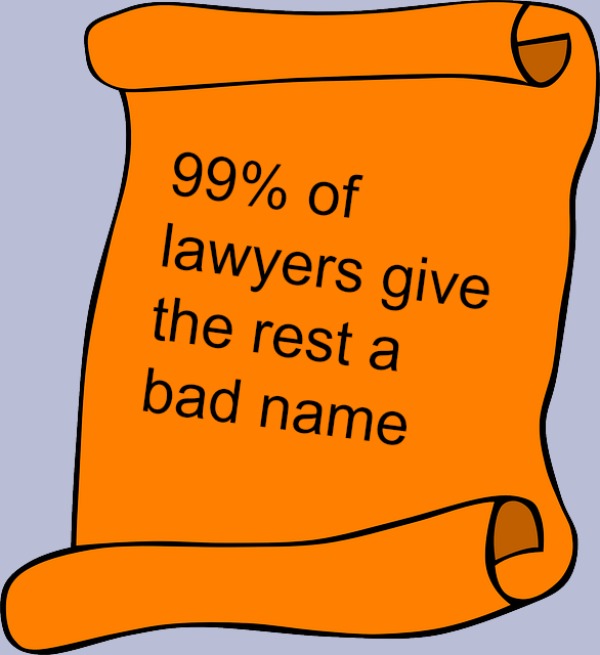
While most of the Illinois attorneys I come across are honest and do their best for their clients, the reality is that when you have over 90,000 lawyers, some will be unethical.  It bothers me because it taints the whole profession and makes the public not trust attorneys. While the reality is that it’s a few bad apples, not a bad orchard, the perception is the opposite.

The good news is that unethical lawyers do get disciplined and some permanently lose their license. The ARDC just handed down some discipline and the following, via the Chicago Daily Law Bulletin, lists why. I was disturbed by the end of the legal career of Bryan Flangel. I had cases with him years ago and he seemed like a decent guy. The reality though is you never know what someone is going through personally or financially and why they act the way they do.  I don’t know what happened to him (or anyone on this list), but it is all unfortunate.  And in some cases, I do wonder how people stay out of jail because some of these are straight up theft.

Disbarred

Of the six attorneys disbarred, two involved cases including out-of-state misconduct. All but two were disbarred on consent.

Barry Edward Blumenfeld of Chicago, licensed in 1967, was disbarred on consent. He converted more than $67,000 in settlement funds that belonged to a client and third parties in a workers’ compensation matter and made a false statement to the ARDC during its investigation.

Bryan S. Flangel of Chicago, licensed in 1992, was disbarred on consent. While representing clients in personal injury matters, he provided financial assistance to two clients, misrepresented the status of matters to at least two clients, and signed a client’s name on a settlement release without authority.

James Mark McTighe of Tinley Park, licensed in 1991, was disbarred on consent. He converted more than $29,000 in client funds to his own use, falsely reported the status of cases and settlements to his clients, and neglected a number of insurance subrogation matters.

Michael Bernard Potere of West Newton, Mass., was licensed in Illinois in 2012 and in California in 2015. He was disbarred by the Supreme Court of California because of his attempt to extort more than $200,000 from his employer. His actions resulted in a misdemeanor conviction and five-month prison sentence for the federal crime of unauthorized access to a computer to obtain information. The Illinois Supreme Court imposed reciprocal discipline and entered an order disbarring him in Illinois.

John George Steckel of Rock Island, licensed in 2000, was disbarred on consent. He pleaded guilty in two Rock Island County cases to charges of possession of a controlled substance and delivery of methamphetamine. The Illinois Supreme Court said his disbarment on consent was retroactive to his interim suspension from practice on Jan. 29, 2019.

Henry A. Weber of Lake Forest, licensed in 1984, was disbarred. He has felony convictions in Florida for theft of sales tax. While operating a chain of restaurants in the Tampa area, he unlawfully withheld more than $100,000 in sales tax that should have been remitted to the state of Florida. Weber did not participate in his Illinois disciplinary proceedings.

Suspended

Six of the 19 suspended lawyers were licensed in both Illinois and another state. The misconduct in those cases resulted in disciplinary rulings in the respective other states.

Craig Carnell Cunningham of Naperville, licensed in 1994, was suspended for six months effective Oct. 14, 2021. A disciplinary investigation was opened against him because of fraudulent activity. Cunningham manages his own law firm and did not review his law firms accounts, nor did he know the source of funds in those accounts or how the funds were expended. His wife is a paralegal at the firm and fraudulently opened accounts in the firm’s name using names of relatives. The funds from those accounts were used to pay for law firm and personal expenses. Cunningham also made false statements to the ARDC.

Lisa Michelle Edgar of San Ramon, Calif., was licensed in Illinois in 1990 and in California in 2005. She was suspended for one year by the California Supreme Court, with a one-year period of probation subject to conditions, for employing a former California attorney who resigned from the bar with disciplinary charges pending. Edgar permitted the attorney to handle client funds over an eight-month period. She also filed a brief on appeal in a client’s immigration matter without complying with mandatory legal authority concerning claims of ineffective assistance of counsel. The Illinois Supreme Court imposed reciprocal discipline and suspended her for one year, with the suspension stayed in its entirety by a one-year period of probation, retroactive to Nov. 21, 2020, subject to the conditions imposed in California, and continuing until she completes her California probation.

Stephen Thomas Fieweger of Davenport, Iowa, was licensed in Illinois in 1987 and in Iowa in 1989. He was suspended for 30 days by the Supreme Court of Iowa for failing to communicate with a client, collecting an unauthorized fee in a Social Security disability benefits matter, neglecting a client’s case, and mishandling client funds. The Illinois Supreme Court imposed reciprocal discipline and suspended him for 30 days effective Oct. 14.

Stephanie Alexandra Gerstetter of Chicago, licensed in 2018, was suspended for 60 days effective Oct. 14 for misconduct while working as an associate at a law firm. During this time she submitted false billing records totaling just over 86 hours, which resulted in overbilling a client more than $40,000. The law firm refunded the client’s overpayment.

Nathaniel Gordon of Chicago, licensed in 2010 and suspended for one year or until further order of the court, stayed after six months by a six-month period of conditional probation effective Oct. 14. He failed to file a brief in his client’s criminal appeal and did not refund the fees he received for the representation. He also made misrepresentations to a client, a third party, and the ARDC, including fabricating a file-stamp to make it appear that he had filed the brief.

Donald George Groble of Chicago, licensed in 1989, was suspended for two years or until further order of the Court, which is an indefinite suspension. He is required to petition for reinstatement after the fixed period of suspension ends. His misconduct was over the course of five months in which he misappropriated more than $30,000 from a supplemental needs trust established for a disabled client.

Jessica Lynn Jones of Bloomington, licensed in 2014, was suspended for nine months, effective Oct. 14. She failed to act diligently on a client’s domestic relations matter, failed to adequately communicate with the client, and filed a pleading in the case containing false statements. She also engaged in the unauthorized practice of law for approximately two months after having been removed from the roll of attorneys for failure to register, and she made false statements to the ARDC during its investigation.

Mark Vincent Kelly of Alpha, licensed in 1987, was suspended for three months effective Oct. 14. Kelly knowingly misappropriated $2,230 over 10 weeks, funds he had agreed to hold in escrow pursuant to his work as an attorney agent for a title company. No client lost money due to his misconduct.

Carrie Kooi of Crown Point, Ind. was licensed in Indiana in 2009 and in Illinois in 2010. The Indiana Supreme Court suspended her for 90 days, beginning Nov. 23, 2020, with 30 days of that suspension to be actively served and the remainder stayed subject to completion of at least two years of conditional probation. Her discipline arose from her conviction for battery resulting in bodily injury for struggling and twice spitting on a police officer who had taken her to a hospital for a blood draw after stopping her on suspicion of impaired driving. The Illinois Supreme Court imposed reciprocal discipline and suspended her for 90 days, with the suspension stayed after 30 days by a two-year period of probation, retroactive to Nov. 23, 2020, subject to the conditions imposed in Indiana, and continuing until her probation in Indiana is terminated. The suspension is effective Oct.14.

Cynthia Jean Koroll of Rockford was licensed in 2001 and suspended for six months, with the suspension stayed after 60 days in favor of a one-year period of conditional probation, effective Oct. 14. Over a period of approximately three weeks in 2015, she sent dozens of emails, text messages, and other communications to attorneys in Florida with whom she was then engaged in a dispute. Many of those messages were vulgar, profane, abusive, included anti-Semitic remarks, and served no purpose other than to harass or burden their recipients. Also, in 2013, she was disqualified from representing a party in a post decree domestic relations case because her former law partner had been representing the man’s spouse while they were members of the same firm.

Peter J. Kovac of Milwaukee, Wis., was licensed in both Illinois and Wisconsin in 1973. The Supreme Court of Wisconsin, in two disciplinary proceedings, imposed concurrent five-month suspensions for neglecting a client’s matter, failing to return or forward client files in four matters, and failing to respond to demands for information from the Wisconsin Office of Lawyer Regulation in five investigations. The Illinois Supreme Court imposed reciprocal discipline and suspended Kovac for five months, effective Oct. 14.

John Paul Paleczny of Chicago, licensed in 2018, was suspended for one year and until he completes the ARDC’s professionalism seminar, effective Oct. 14. As an associate at a Chicago law firm, he falsely billed more than 2,000 hours of time to a pro bono matter that had ended, which resulted in his being terminated. When seeking other employment, he falsely told at least four prospective employers that he had been laid off from his prior firm.

Matthew Clay Piatt of Galveston, Ind., was licensed in Illinois in 2011 and in Indiana in 2015. The Indiana Supreme Court suspended him for 180 days, with the suspension stayed after 90 days by a term of conditional probation of at least two years. His misconduct includes multiple acts of public intoxication and operating a vehicle while intoxicated, and his failure to notify the Indiana disciplinary authority of one of his arrests for that conduct. The Illinois Supreme Court imposed reciprocal discipline and suspended him for 180 days, with the suspension stayed after 90 days by a two-year period of probation, retroactive to Jan. 14, 2021, subject to the conditions imposed in Indiana, and continuing until his probation in Indiana is terminated, effective on Oct. 14.

Brian Davis Pondenis of Charleston, S.C., was licensed in 2006 and suspended for one year and until further order of the Court. His suspension is an indefinite suspension which requires him to petition for reinstatement after the fixed period of suspension ends. In electronic messages with a former client’s girlfriend, he revealed information pertaining to his representation of that former client and made improper and abusive statements to the girlfriend. He also made improper and abusive statements to his landlord and the landlord’s wife in electronic messages while representing himself in an eviction matter pertaining to his law office.

Veronica Reyes of Aurora, Colo., was licensed in Illinois in 2009 and in Colorado in 2010. The Presiding Disciplinary Judge of the Supreme Court of Colorado suspended her for one year and one day, with the suspension stayed after six months by two years of probation, subject to certain conditions. She mishandled client funds, failed to communicate with clients, and failed to supervise a person working in her law firm. The Illinois Supreme Court imposed reciprocal discipline and suspended her for one year and until further order of the Court, with the suspension stayed after six months by two years of probation, retroactive to March 19, 2019, subject to the conditions imposed in Colorado and continuing until her Colorado probation has ended, effective Oct. 14.

Edward Sergio Rueda of Chicago was licensed in 2011 and suspended from the practice of law for one year, with suspension stayed after 30 days in favor of a two-year period of probation, effective Oct.14. Between March and May 2018, he converted more than $15,000 in four client matters due in part to his failure to keep appropriate trust account records.

Efrain L. Sanchez of Naperville was licensed in Illinois in 2003 and in Missouri in 2010. The Supreme Court of Missouri suspended him indefinitely with no petition for reinstatement to be considered for six months for mishandling client funds and engaging in the unauthorized practice of law. The Illinois Supreme Court imposed reciprocal discipline and suspended him for six months and until he is reinstated to the practice of law in Missouri, effective Oct. 14.

Brian Keith Sides of Champaign was licensed in 2002 and suspended on an interim basis and until further order of the Court. He was found by the ARDC’s Hearing Board to have made false or reckless statements about the integrity and qualifications of a federal bankruptcy judge in nine motions and to have engaged in conduct prejudicial to the administration of justice.

Andrew Martin Stroth of Chicago was licensed in 2001 and suspended for 30 days, effective Oct. 14. He was also ordered to take the ARDC’s professionalism seminar. He failed to pursue a client’s personal injury case, allowing the statute of limitations to expire. He also provided money to the client as a loan against an anticipated settlement and then as a purported settlement. He falsely told his client that he had communicated with an insurance claims adjuster, and he made false statements to the ARDC.

Probation

Barbara Julia Luther of Scottsdale, Ariz., was licensed in Illinois in 1989 and in Arizona in 2004. The Chair of the Attorney Discipline Probable Cause Committee of the Supreme Court of Arizona admonished her and placed her on a two-year period of conditional probation because she did not provide legal services to a client after being paid to conduct a trademark search and review. She also did not communicate with clients about the status of their matters, inform her clients that she was closing her law practice, timely refund advanced fees that she had not earned, or safe keep client funds. The Illinois Supreme Court imposed reciprocal discipline and reprimanded her and placed her on probation for two years, retroactive to Jan. 23, 2020, subject to the conditions imposed by Arizona, and until she successfully completes her Arizona probation.

Reprimanded

John Anthony Ward of Kenosha, Wis., was licensed in Illinois in 1986 and in Wisconsin in 1985. The Wisconsin Supreme Court publicly reprimanded him for failing to file a written motion seeking a change of venue as directed by his client in a visitation rights case, charging an unreasonable fee, and failing to refund the unearned portion of that fee after his client had terminated his services. In a separate disciplinary matter, a referee appointed by the Wisconsin Supreme Court issued a public reprimand against him for failing to promptly refund unearned fees to clients in two separate matters and mishandling client funds. The Supreme Court of Illinois imposed reciprocal discipline and censured him.

Alan Kent Wittig of Queen Creek, Ariz., was licensed in Illinois in 1992 and in Arizona in 1997. In two separate matters, Arizona disciplinary authorities disciplined him. In a 2018 matter, he was admonished and placed on probation for two years for failing to notify a third party of his receipt of funds in which the third party had an interest and failing to distribute funds. In a 2019 matter, he was admonished for failing to distribute funds to a person owed the funds and not reasonably communicating with his client. The Supreme Court of Illinois imposed reciprocal discipline and censured him, as his Arizona probation had ended.

If you were working with any of these lawyers, especially the ones that are disbarred or suspended, you should immediately seek new representation.

See also: The Illinois Supreme Court disciplines lawyers

We get a lot of calls from people looking to sue their lawyer. We are happy to bring on a legal malpractice case if it’s a good one. In most of the calls though we hear about bad customer service, lack of effort or bad results on a case. Those things are unfortunate, but don’t usually rise to the standard needed to successfully sue your attorney in Illinois.

Many of the people who call us really just don’t want their lawyer to “get away with it.” If they’ve done something unethical or illegal, the proper place to go is the Attorney Registration and Disciplinary Commission. They aren’t going to suspend a lawyer for not returning a couple of phone calls, but they might if they skip court, abandon a case or steal from you.

These excerpts are from the Chicago Daily Law Bulletin and highlight reasons some lawyers have recently either lost their license or been temporarily suspended:

The high court disbarred four attorneys. They are:

— John L. Allen of Bedford, N.H., who also is licensed in New Hampshire, on a reciprocal basis. Allen abandoned his law practice and misappropriated about $690,000 he had agreed to hold in trust. He also transferred about $943,000 from his client trust accounts to his operating account and commingled $350,000 of operating account funds with client funds. M.R. 30741.

— Michael Lee Henneberry of Walnut, Ill., by consent. Henneberry made sexually explicit comments to a client he was representing as a court-appointed defense counsel, touched her without her permission and masturbated in front of her. He also pleaded guilty to a criminal charge of providing alcohol to a minor. M.R. 30711.

— Radford Reuben Raines III of O’Fallon, Mo., who also is licensed in Missouri, on a reciprocal basis. Raines failed to pay fees to a deceased lawyer’s trust for work the lawyer had done on cases before Raines took them over. M.R. 30708.

— Nikola Duric of Park Ridge. Duric misappropriated more than $400,000 in funds belonging to clients and third parties, neglected client matters and failed to return unearned fees. He was suspended on an interim basis in Oct. 2020. M.R. 30734.

The Supreme Court suspended 10 other attorneys this month. They are:

— Dwight A. White of Chicago, two years and until further court order, stayed after one year for three years of conditional probation. White converted nearly $14,000 belonging to two clients, failed to return unearned fees, neglected three clients’ cases and failed to put two contingent fee agreements into writing. The suspension begins June 8. M.R. 30721.

— Marie A. Durbin of St. Louis, who also is licensed in Missouri, one year and until she is reinstated to Missouri’s bar. The Missouri Supreme Court suspended Durbin indefinitely and barred her from seeking reinstatement for at least a year. Durbin missed the deadline for filing a workers’ compensation claim on behalf of a client, lied to the client about the matter and failed to respond to disciplinary authorities’ complaint about her conduct. The suspension begins June 8. M.R. 30694.

— Howard Randolph Baker Jr. of Decatur, one year and until further court order, with the suspension entirely stayed by two years of conditional probation. After failing to meet discovery deadlines in a client’s dissolution-of-marriage case, Baker blamed the failure on his own mental health problems and falsely claimed he was in therapy. M.R. 30704.

— Jeffrey P. White of Auburn, Maine, who also is licensed in Maine, nine months and a reprimand, on a reciprocal basis. White neglected two client matters and hid from a bankruptcy court the attorney fees a client had paid him. The suspension begins June 8. M.R. 30656.

— Shelby Kanarish of Scottsdale, Ariz., who also is licensed in Arizona, six months and until he is reinstated to the Arizona bar, on a reciprocal basis. Kanarish was suspended in Arizona for six months and one day, followed by probation. After settling a personal injury case, Kanarish made false statements about his purported fees to disciplinary officials and to a doctor seeking to be paid for services he had provided Kanarish’s clients. The suspension begins June 8. M.R. 30764.

— Jennifer Prager Sodaro of Scottsdale, Ariz., who also is licensed in Arizona, six months followed by two years of conditional probation, on a reciprocal basis. Sodaro contacted a represented party and sent a letter to a judge presiding over a case in which she was involved accusing the opposing party’s lawyer of lying. She also disbursed the proceeds of a home sale without permission. The suspension begins June 8. M.R. 30600.

— William Briskin Kohn of Highland Park, six months, with the suspension stayed after 90 days for one year of conditional probation. Kohn did not respond by the deadline to summary judgment motions filed by the opposing party in a business dispute and did not file a brief in the appeal that followed. The suspension begins June 8. M.R. 30730.

— Joseph C. Farwell of Schaumburg, 90 days. While in the process of shutting down his law firm, Farwell converted more than $8,000 he was holding for a client and did not return the money until the client complained to the Illinois Attorney Registration and Disciplinary Commission. The suspension begins June 8. M.R. 30743.

— Eric James Dale of Clinton, Iowa, who also is licensed in Iowa, 60 days and a public reprimand, on a reciprocal basis. Dale neglected client matters, put a client’s signature on a document without her permission and entered a plea of not guilty for that client without consulting her. The suspension begins on June 8. M.R. 30702.

— John Thomas Sheets of Havana, Ill., 30 days. Sheets engaged in the unauthorized practice of law for six weeks after being struck from the roll of attorneys in 2019 for failing to complete registration requirements and for 23 weeks after being struck from the roll of attorneys in 2020 for failing to complete Minimum Continuing Legal Education requirements. The suspension begins June 8. M.R. 30709.

As you can see, lawyers do get disciplined.  I find it a bit shocking that someone who has taken client funds might be able to get their license back some day.  It is good to know that lawyers who blow off their cases can be suspended. That is probably the only way to protect the public from hiring these people.  You also see a lot of lawyers being disciplined for lying. It is a big no-no and has shaped our attitude of being very direct and honest whenever we are asked questions.

I’ve heard my fair share of lawyer jokes over the years. The premise of most of those jokes is that the lawyer is dishonest or unethical. In reality, lawyers are like people of any other profession—teachers, accountants, doctors. The vast majority are good people who take pride in their work and try to do the right thing. But I will admit that there are a few bad eggs out there. How can you tell if an attorney is one to avoid hiring? Look out for this:

  • They promise that you will win. There is no way for an attorney to know with 100% certainty that your case will be a winner. There is unpredictability in law. There isn’t a single attorney out there (who has a few years of experience) with a “perfect” record.
  • They say they specialize in what your case is about. That may be true, but do a little digging. Do they list 5 or 7 or 10 areas of law on their website that they “specialize” in? If a lawyer tells you they specialize in personal injury cases, have a friend call them up about a DUI case and see if they say they specialize in that too.
  • They claim to be the “best” lawyer in their field. It’s a little suspect when a lawyer brags and makes a claim like this. The attorney that may be best for one person and their unique case, may not be the best for another person.
  • They tell you with confidence what your case is worth from the very beginning. This tactic is to get their potential clients to see dollar signs and quickly sign up with the attorney. The attorney just can’t know the value of a case until they see your medical records and fully understand the details of the incident. What will the defense argue? On an initial call or at the first meeting, It is just too early for the lawyer to pinpoint what your case will be worth.
  • They brand themselves as a “father’s rights” or “mother’s rights” lawyer in a custody case. Fathers and mothers have exactly the same rights in a custody case, with very few exceptions. One parent doesn’t start off with more rights than the other. So those terms are basically a marketing strategy. The law firm wants you to believe that they have some special advantage when fighting for fathers or mothers, when in actuality, they start on a level playing field for their clients, like all other lawyers.

There are many, many more reputable, great attorneys out there than bad apples. For over 20 years, we have helped thousands of people find the right attorney for their situation and avoid the tactics listed above. Feel free to call us at 800-517-1614 to speak with an Illinois lawyer for free.

This past week was the 20 year anniversary since I started my Illinois lawyer referral and legal guidance website. In that time I’ve talked to over 500,000 people and hopefully helped most of them.  I’ve also learned a lot about being an attorney, what clients think and about the legal system in general.  A lot has changed since the first call I got on April 2, 2001, but a lot hasn’t, especially for legal referals.  Here, in no particular order, are some interesting things I’ve learned.

  • Everyone is on the internet.  On multiple occasions I’ve had calls the same day from people in prison, executives at Fortune 500 companies and people over 80. The world has come a long way from when you tried to find a lawyer through the Yellow Pages.
  • Very few people want to bring a frivolous lawsuit. I get a lot of calls from people who have terrible cases, but they don’t know it. They want to tell the facts of what happened and see if there is a case or not.
  • Attorneys in Illinois can be terrible at customer service.  Law schools don’t teach much if at all about how to run a business. I’ve come across some great court room attorneys who don’t do well because they don’t call back people in a timely manner, yell at the clients, lie, etc.
  • People are doing a lot of legal research as they should, but still take the time to ask questions.
  • My philosophy is to be very direct and honest. Most people appreciate that, some do not.
  • The scummy feeling TV ads that some lawyers do work because they get a lot of business.  I usually hear about them from unhappy clients who realized they hired the wrong firm and are hopeful we can point them in the right direction.
  • Some people are comfortable being racist/prejudiced over the phone.  Still shocks me when it happens.
  • One thing that is very clear is that just because someone was a great attorney 20 years ago, does not mean they are now.
  • Sadly I’ve never found a consistently great resource for people who aren’t able to afford a lawyer.
  • That said, I’m still surprised at how many people don’t know that it costs nothing up front to hire an attorney for an injury case.
  • We call as soon as they contact us.  It’s a lesson I learned from day one when I eagerly called the first person who reached out to us.  I’ve learned that this doesn’t happen at very many places because inevitably the person I call is stunned we got in touch so fast.
  • A lot of people will tell you what they think you want to hear. We aren’t looking for perfect stories. We just want the truth.
  • The law is constantly changing. It’s even more important than I thought in the beginning to get a law firm that really has a focus on the type of case you have.
  • While lawyers aren’t as arrogant as doctors, I didn’t expect how cocky some of the “best”attorneys would be.  I don’t think they realize how it hurts their practice.
  • Most people are good.  We can be a divided country and life can be frustrating.  But most people I come across are good even if they’ve screwed up.  It’s really uplifting to me.
  • You never know what a call might be about.

We appreciate the chance to help so many people and hope we are able to do it for a long time. Cheers!

They say that the best things in life are free. I don’t know if talking to an attorney should be classified as one of the best things in life, but it exists.

We are Chicago lawyers, who since 2001, have been talking to people for FREE about their Illinois legal matters.  There is no catch or hidden agenda. You can call us at 312-346-5320 any time.  Usually, a lawyer will answer and your free consultation will begin.  It will last as long as it needs for us to answer your questions and give advice.  If you call and a lawyer doesn’t answer, the call will go to our answering service who will immediately message us and we almost always then call you back right away.

We want to help people and like to help people.  We don’t promise you will like what we have to say, but do promise it will be honest, even if that means saying you don’t have a case. And of course if you do have a case we will guide you as best we can as to who the right lawyer is to hire.

We started www.illinoislawyers.com because the way people typically find lawyers doesn’t always work.  Many people can’t read through the b.s. or rely on a friend who may not know the best lawyer to talk to for your case. Other people don’t want to pay any money just to ask a simple question.  Some people know they have a great case but can’t figure which attorney is the best for them.

Whatever your situation is, we are happy to talk to you.  Here’s how it works:

  1. You call or fill out our contact form.
  2. We listen to what you have to say, ask you questions if we need to and tell you what we honestly think and what we would tell a family member or friend if they were in the same situation.

That’s it.  If we don’t know anyone for you, we’ll say it. If we feel strongly about what you should do, we’ll say it. If you need to know your options we’ll tell you what they are so you can make an educated decision.

And again, this is all free.  We cover all of Illinois and while we can’t promise a result, we do promise to tell it to you straight.  Call or email us any time.

It’s been 26 years since I first walked into Chicago-Kent on Adams.  I was an immature 22 year old who only applied to law school because a friend from college enlightened me that having a law degree can create a lot of options for you. Plus, it allowed me to delay entering the working world, which looking back, is a real entitled, white-privilege type of thought to have.  Of course law school and living wasn’t as expensive back then, and I was able to survive off of some savings and jobs as a law clerk and bartender.

It would be naive and arrogant to think I have all the answers for new law students, most of whom weren’t born when I started school.  Certainly technology and Covid have changed a ton for them compared to what I went through. But I do think I have honest advice that can help.  In no particular order, here are some things I wish I knew, or think you should know.

1. You will quickly discover that being a 1L is often a psych job. You hear the old, “Look to your left and right, one of those people won’t be here in three years” nonsense. People get paranoid and competitive. They read something for class and want to make sure you know how hard they are working.  The good news is that bad vibe does disappear once everyone settles in. And the people that are gone usually leave, not because they flunked out, but because they quit after realizing law school wasn’t for them. Better to do that before you have a huge student loan bill to pay back.

2. Do you know how to read a legal opinion?  I’m not aware of anywhere that it’s taught before you get to law school and I don’t recall being taught how to do it.  Instead it was just something you figure out over time.  Here’s a great resource to reduce that learning curve. https://papers.ssrn.com/sol3/papers.cfm?abstract_id=1160925#.XvJfyQGbaGI.twitter

3. If you go to a top 25 law school, being in the top half of your class can be enough to get a high paying summer clerk job, assuming those jobs come back next year (which I think they will). I’m not saying working at Jenner and Block, Sidley, Baker, etc. is a good idea.  That depends on the person.  But the summer clerking jobs pay a ton and can open up doors for you. If you are at a second or third tier school like I went to, you better be in the top 10% if you want one of those jobs.

4. One thing you will realize once you start working in a law firm is that there are a lot of smart lawyers.  There are also a lot of dumb ones.  All of those people passed the Bar exam.  That should give you confidence that if this is what you want to do, it’s attainable for you.  I’m sure you will see the same in your law school class. Some people will blow you away by how intelligent they are.  Others will blow you away because you won’t believe they got admitted to the same school as you.

5. Use your age to your advantage.  Lawyers have traditionally been slow to adapt to technology and slower to understand it. If you are knowledgeable about coding or social media, use that to your benefit when looking for jobs and creating your resume.  Just like speaking a foreign language, a niche skill can benefit you.  Some young lawyer is going to make a killing by teaching law firms how to really use social media.

6. I think the best way to succeed in law school academically is to treat it like a job. If you work from 9-5 most days that is enough to do well in class.

7. Network, network, network. Going on informational interviews is a great way to get to know people.  Become friends with your classmates.  Aside from being fun, the lawyers you know down the road can open many doors for you.

8. Participate in your school’s legal clinic. The best class I had in law school was a legal clinic on mediation. It taught me a ton and allowed me to become a licensed mediator and work on real cases.  Other clinics allow you to work for the State’s Attorney’s office and handle some actual cases.  There are options for almost every area of law. It’s a great resume builder and more importantly gives you exposure to practicing which will help you decide what area of law you might want to focus on.

9. Don’t be a dick. This is kind of the opposite of networking.  If you fail to realize that all of your classmates have value or you just act like an asshole, it will surely come back to hurt you some day.

10. Don’t be dumb on social media.  I’m sure I would have failed this advice if Instagram was around in the 90’s and I’m sure you’ve heard it before, but if you wouldn’t want something about your personal life coming up in a job interview, don’t post it. Most firms I know look into this stuff.

11. Have some fun. If you are in Chicago, you are in one of the best cities in the world.  You can’t enjoy all it has to offer right now, but I’d bet there are still some mixers with your classmates, chances to explore the City, etc. that you can still take advantage of. Don’t get psyched out by how hard law school is supposed to be. I remember one classmate who really enjoyed himself saying, “All I want to do is write wills for old ladies, I don’t need to worry about all the other stuff.”  It’s a good point in that if you treat law school like a job, even if you have to work a real job too, there still can be some time for yourself.  And I assure you that most law firms want to bring in people who are comfortable socializing as it’s often part of the job.  I’m not saying be a clown, but don’t be a hermit either.

I hope this helps a little. I wouldn’t say that law school was amazing, but I do have many good memories and my college friend was correct.  Being an attorney can open up many different possibilities in life for you.


Another week, another apparently terrible police involved shooting. This time it was close to home, just over the border in Kenosha where Jacob Blake was shot in front of his kids despite being unarmed.  It seems to be another case of unjustified, excessive force.

I don’t claim to be an expert on police issues, although it’s clear that something different than business as usual must be done. Not militarizing the police seems to make sense as does having social workers and other trained experts respond to calls that don’t need someone with a gun and a badge like traffic accidents and suicide calls.  Certainly solutions for the City of Chicago might not be the right ones for a small, rural police department.

No matter where you are though, I question why police officers don’t have to have a license?  You need a license in Illinois to work as a private security contractor or private investigator or even a hair dresser and attorney.  We all had to go through background checks and pass a character and fitness test. We have to fill out an application.  This is the step involved before going for a job interview.

If during our time as a professional we do something wrong, we are held accountable by an licensing board that has an independent hearing process.  Results of complaints can range from nothing to loss of license or anything in between like censure or suspension.  If we have substance abuse or other problems, there are resources for getting help.

Nobody (I think) wants unjustified police shootings.  Everyone I know supports good cops. But it’s very apparent that we have a broken system.  If you think cops are good and want good cops, is there any justification for opposing them to be licensed like most other professionals in Illinois including the ones that carry guns?  I don’t think there is.

The fact that we have never done it this way doesn’t mean we should keep doing it that way. This is especially true in Chicago where taxpayers have paid out hundreds of millions of dollars to settle lawsuits against the police.

Would licensing law enforcement officers solve everything? Of course not.  The realistic goal is to reduce bad behavior and be able to remove bad actors when they don’t live up to the professional standards that are set.  This doesn’t require them to be perfect or always look over their shoulder. What is does is set standards and have a real accountability system in place.

It would certainly make sense if we make the move to have social workers take on some police work such as responding to some domestic abuse situations.  Social workers in Illinois already have to be licensed by the State.  We essentially ask police to handle matters that they are not trained for in place of people who have to be licensed to handle those matters.  Licensing cops is the logical next step.

To me this is all an extension of calls to defund the police which are really calls to change the way the police operate and make them do it in a smarter, safer and more economical way.  If there is a reason that police officers shouldn’t be held to the same standards and accountability as any other Illinois professional, I’d love to hear it.

It feels a bit morbid to write this, but with Covid-19 and all of the workers who feel unsure about returning to work, especially teachers, we wanted to do something to help out.

The reality is that everyone should have some sort of living will that directs what you want to have happen in case you aren’t able to make health care decisions for yourself.  The last thing you want to have happen is be incapacitated and have your family members arguing over what care you should or shouldn’t have.  You certainly don’t want them making decisions that you disagree with.

Estate planning attorneys will usually charge a couple hundred dollars to complete a Power Of Attorney For Health Care Form. This is a short document that directs someone you appoint to make decisions for you if you can’t make them on your own.  Most people don’t want to think about that type of decision and certainly don’t want to spend money on it.

Our solution is to offer this form to every Illinois resident for FREE. No strings attached.  You can find it here on our Illinois lawyer referral website. We also provide instructions on completing the form and are happy to talk to you for free any time as well.

We can’t provide every legal service people need for free, but documents that are essentially one size fits all shouldn’t be used to charge people as if a lawyer prepared a fresh document.  And most importantly you really do not want to be in a situation where you or someone you care about has to rely on others or worse yet, the State of Illinois, to make a medical decision for them. Hopefully this helps solve both problems.

Call us at 312-346-5320 with any questions about this or any other Illinois legal matter.


If this post were a tweet it would say: Are lawyer awards worth anything?  No.

But I’m going to give a longer explanation as to why.

The marketplace for legal services is overcrowded, with no shortage of attorneys. It’s no wonder why lawyers feel the need to distinguish themselves from their peers. Lawyers can easily discuss their educational background and experience for recognition, but for a perspective client this may not be enough to stand out. Applying for a variety of attorney awards and submitting to be listed in attorney rankings is a way an attorney can get a leg up in the marketplace because for many consumers, perception is reality.  Naturally, with any profession, there are awards and rankings for lawyers that are prestigious, worthy and are based on an attorney’s good works. But also, with any other profession, there are the rankings that have no merit or meaning to the works of an attorney.

The biggest sounding of these is being awarded as a Super Lawyer. While many worthy attorneys are designated as Super Lawyers, the designation does not necessarily mean that the Super Lawyers are any better than other lawyers who do not have this designation or any good at all. It seems, as far as I can tell, that the award of a Super Lawyer is really more of a “social” title. The Super Lawyer designation is primarily based upon how many votes an attorney receives from other attorneys, making it more of a popularity contest, or by how extensively an attorney has engaged in a website operated by the ranking organization. There are basic qualifications of those applying for these ranking, but otherwise the vetting process appears to be lacking and the award is used more as a marketing tool for lawyers.

They of course aren’t unique.  There are tons of other awards that sound like Super or Best or Top, etc.  Some of them only give you the award if you pay a fee.

It’s a natural feeling to want to feel good about oneself and what better way than to receive an accolade. Most are happy to have been selected for something, but few lawyers consider the vetting process when considering if an accolade is worthy of praise. There will always be organizations profiting off the underlying desire to be recognized and awarded.

The idea of organizations profiting off the “ego industry” is nothing short of new. These organizations feed on people’s need for feeling accomplished even at an early age. Some will ‘recognize’ an elementary student’s literary work just to turn around to sale their ‘published’ work for an outrageous fee to their parents. High School students are frequently ‘selected’ in a list of accomplished high school students. Just another way to go after one’s wallet. Even college students will receive letters claiming to be selected for an exclusive honor society, only to have to pay fees or dues to the society.

Many of us have encountered at some point of our life an “ego accolade”. Lawyers are just as easily targeted, perhaps due to their need for prestige. Websites and companies that offer accolades, rating and reviews often encourage lawyers to reference their recognition or ratings when advertising. This may help a lawyer stand apart from other lawyers, but really it is just lining the pockets of these organizations.

The bottom line for you is that you shouldn’t hire a lawyer because of an award or a fancy looking website.  Hire them because of their track record, the type of case you have and because you connect with them.

I recently received an inquiry from a 13 year old student in Chicago asking me for advice on what it takes to become a lawyer.  Here’s what she said:

Hello , my name is XXX (removed to protect their name) and I’m 13 years old .Im not emailing you for a report on anything if your wondering . Like I said , I’m 13 and when I grow up i’m looking forward to becoming a lawyer . I am currently in summer break and I’m planing to do some research about the requirements to be a lawyer . I wanted to ask if you can give me some information on whats it like in becoming a lawyer . Whats it like to become a lawyer , how do you prepare for your cases , how do you prepare for your cases , questions that will lead me to the right path and let me distinguish it . Please , feel free to give me as much information as you possibly can . im sorry for bothering you at this moment I just really want to see if this is would lead me to the right path in life and if I’m really up Toit . I want to see if this job is suitable for me .  I would like for you to answer questions about three types of lawyers if possible ; Immigration , Criminal law , and family hood . Again i’m so sorry for bothering you guys , hope you have a wonderful day . Thank you for your time

I get these questions a lot and try not to give boiler plate answers just as I try to be honest when someone calls me for legal advice.  Here is what I said.

Thanks for contacting us. Honest answer is that you will change so much between now and 18 and then again between 18-22 when you are in college that there’s no way to figure out now if you really want to become a lawyer or not.  It’s a good profession and the good news is that unlike medical school, you can major in anything and still apply to law school and get accepted.  In other words, the best time to start thinking about this is when you are in college.  In addition, technology is changing the law a bit, so how we prepare for cases now, might not be the way we do it in 12 years when you can be an attorney.  I was one of the first lawyers with a website in 2001 and now almost every firm has them for example.
I have a 13 year old son, and if I was going to give him career advice, it would be learn how to code, because that seems to be the most relevant skill out there.  But I would also want you to enjoy being 13. My son has a job and thinks about the future, but I wouldn’t want him or you to be over-burdened by it right now. I hope that makes sense.
Something to file away for the future if you do think about law school, is that the good is you can do a ton with a law degree.  I recommend googling all of the accomplished people who have a law degree but don’t practice as lawyers.  President and Michelle Obama are just two such people.  The other thing I would suggest to anyone down the road is don’t get yourself boxed in to a career you can’t get out of.  Many attorneys I know are miserable but don’t know how to do anything else.  The best advice I ever heard on this is to chase your passion, not money.
With respect how you get in to law school, it’s mostly based on your grades and a standardized test called the LSAT.  But it wouldn’t surprise me if that changes between now and when you’d be ready to apply.  There is literally nothing you can do to prepare now for applying to law school beyond being a good student nor should you worry about that.  If you are thinking about anything academically it should be what college is the right fit for you and even then, I wouldn’t think about that until high school.
I wish you the best.  If you have any questions you are welcome to contact me at any time.
Yours truly,
Michael Helfand
Attorney at Law

For a licensed professional in Illinois, having their hard-earned professional license investigated by The Illinois Department of Financial & Professional Regulation (IDFPR) is a threat to their career, livelihood and personal life. Professional licenses can be investigated and disciplined for a variety of reasons. Federal laws, administrative regulations, new licensing board rules, statues and ordinances all regulate and control every facet of a professional practice. If you are under an investigation by the IDFPR, be careful with your behavior and actions as your license, reputation and future are at risk.

The thought of an investigation and potentially losing your professional license can be panic-inducing, but do not panic and do not get in a hurry. Remain collected through the investigation and work with your attorney immediately to dispute the complaint. During the investigation, you will still be permitted to practice in your field and continue to work with clients.

While you’re calm and collected, that doesn’t mean to put your guard down. The investigators and prosecutors are not your friends. With the guide of your attorney, protect yourself through the investigation at all times. You are entitled to seeking and asking your own questions: Which agency is conducting the investigation? Why, what and who is the investigation towards?

If you’re told that you have the right to remain silent, then do just that. Remain silent as you are clearly the subject of a criminal investigation.

Once you know more about who and what is being investigated, you have the right to decide to submit to an interview or not. By law, it is not usually required to submit to an interview. However, if opting to an interview, it is always best to have your attorneys present. During the interview, as any part of the investigative process, it is important to remain truthful and do not justify a situation. The investigators’ job is to collect evidence and information for the prosecuting attorney. Hold your explanations for a time more suited to this information, but also be aware that there will not be an opportunity to review or correct any information given in an investigators’ report. It is also important not to offer up any authorized original documents or copies without a subpoena or search warrant. Your words and actions can and will be used against you, if the investigator sees fit to.

Being investigated is not a trivial matter and can be overwhelming. Investigators have been known to be intimidating in nature often downplaying the importance of an investigation, declining information and making the interview uncomfortable. This is unreasonable for a professional and is a serious matter. You are entitled to information, professionalism and have the right to terminate an interview at any time.

Once a complaint is fully investigated the case will be either dropped or the license holder will be subjected to an informal hearing or a formal evidentiary hearing. In a typical calendar year, the IDFPR imposes discipline on 3,000+ licensees in various regulated professions, yet less than 200 are actually subjected to an evidentiary hearing. Most settlement agreements are negotiated during or as a result of an informal Disciplinary Conference.

The longer one practices, the more likely to be investigated. Stay calm and safeguard the process of your investigation with careful and precise steps with your attorney as described above.

You should not go through an investigation without a lawyer.  Very few attorneys have experience with these cases. If you want a referral to an experienced IDFPR law firm that will protect you, call us at 312-346-5320 or fill out our contact form.

We have been running our service since 2001.  We are lawyers in Chicago who will talk to you for free about any Illinois legal matter.  We will answer questions and if you need a referral and we know someone for you, we will recommend the best lawyer we know for your situation.

The attorneys we recommend are lawyers we have gotten to know and respect.  Nobody pays us to recommend them.  For most lawyers we recommend they have the following qualities:

  • At least ten years experience, usually more.
  • At the same time they aren’t too old.  They are active in their practice and hungry.
  • They care about their clients.
  • They aren’t general practice lawyers.  Most attorneys we recommend are narrowly focuses on one area of law.
  • They deliver great customer service.

We don’t guarantee a result, but do promise that we won’t recommend an attorney to you that we wouldn’t refer to a family member or friend.

While we will talk to you for free, we are not a place to find a free lawyer.  That said, for some areas of law attorneys only get paid if they win. Bottom line is that we will suggest what we think is best for you and if the lawyer does charge by the hour, we will suggest the lowest cost one we know of that does a good job.

If you would like to speak with an attorney, call us at 312-346-5320 or fill out our contact form, describe your situation and we will call you.

Despite what that image says, most attorneys I know and come across are normal, decent human beings. They, like you and me, have their flaws, but most don’t think that they are better than anyone else just because they are an attorney.

But there are some that think they are royalty or otherwise above their clients.  One Chicago attorney in particular I’ve heard makes his clients call him Mr. instead of by his first name.  And this isn’t an old guy and includes clients and staff that are both younger and older than him.

It’s such pretentious, insecure phony b.s. and it makes me want to scream.  Do I know more about the law than you do?  I sure hope so.  Am I better than you because of that?  Of course not.

So many Illinois attorneys don’t know how to talk to people and have somehow created this belief that they need to act all uppity in order to get respect.

Do you really want a lawyer who talks down to you? Who uses fancy words to try and act like a big shot instead of talking in plain English? Who has no patience and yells at you? Who doesn’t respond to calls or e-mails because he’s just too busy?

Nobody would want an attorney like this, but they are out there.  Some are just unhappy jerks and some just don’t know better.

My advice to you if you come across an attorney like this is to either: A. Immediately ask their first name and call them by it.  If they can’t handle it then they aren’t for you.  B. Just run and find someone else.  Hiring a lawyer in general isn’t a fun experience.  You don’t need to be with an attorney who stresses you out.

The great news in Illinois is that there are literally tens of thousands of attorneys and you usually don’t have to look far to find someone who will act like a normal human being and care about your case.

As lawyers in Illinois, we are required to complete 30 hours of continuing legal education every two years.  It’s somewhat tedious and a bit needless as I’m constantly educating myself on new laws, cases and legal happenings.  But we must formally attend conferences or in my case, watch videos online, so that’s what I do.

I was watching a live webinar that was provided by my legal malpractice insurance company on ten risk management tips.  Many of them were common sense such as don’t yell or return phone calls and respond to e-mail.    I didn’t need a video to know that.

As boring as it was, I did learn something new though.  The moderator asked how long on average does a potential client speak before a lawyer interrupts them?  They surveyed attorneys and the guess was 30 seconds which sounds quick, but usually is a point where either the client has said something I have a question about or they are going so far off track that we need to get on the same page.

The moderator said that they actually figured out the right answer is three seconds.  Three seconds before you get cut off once you start talking to a lawyer!

I’m not sure how they measured this, but I believe that it’s accurate.  I’m shocked, not shocked when I see attorneys and their clients talking at court.  You can tell that some of the lawyers are just bursting at the seams to not have to hear their client talk and many don’t fake their indifference.

I believe in predictors of success when it comes to hiring a lawyer.  If you talk to an attorney for the first time and they literally seem to have no time for you, it’s a huge red flag.  They should be asking you questions and it’s alright too if they are questioning you. They have to decide if they want you as a client just as much as you have to decide if you want them as a lawyer.  But if they won’t let you get a word out and don’t even care about anything you have to say, that’s a problem.

Note that there’s a big difference between them telling you “That’s not important for right now” versus you starting to tell what happened and them just cutting you off.  There’s also a difference between a lawyer saying “Tell me what brings you hear today” and a good lawyer who has a set of foundational questions they want answered at the get go because it’s always important.  For example, if an injured worker calls me, I always want to know when they were hurt and how before anything.  If you are looking for a divorce lawyer referral, I’d want to know where you live, how long you’ve been married, do you have kids and what you and your spouse do for a living. After that it’s up to you to ask what you want to ask and say what your concerns are.

Bottom line is that if an attorney is rude at the get go, they might be a fine attorney, but they more likely aren’t the one for you.

Questions?  Concerns?  Want to talk with an Illinois lawyer for free?  Call us any time at (800) 517-1614.

A couple months ago, a Cook County jury awarded a woman more than $148 million after she became paralyzed when a structure at O’Hare airport came loose during a storm and landed on her.  Her verdict against the City of Chicago was the largest I’ve ever seen in an Illinois personal injury case.

In reading about the history of the case, I learned that the City attorneys had offered $30 million to settle the case before trial.  That is a really large number and if she took it, it likely would have been one of the three biggest results in 2017.

She, through her attorneys, turned the offer down.  While the liability in this case was a slam dunk as the City admitted they were negligent (the bolts on the structure were missing) it takes a lot of guts to turn down a number that big. It’s possible that a jury could have awarded $10 million and even then that would have been a large result.

I bring this up because most lawyers will never get a $30 million offer to settle a case.  She was fortunate that she’d hired one of the top personal injury law firms in Chicago.  I’d estimate that there are maybe seven or eight firms that have the experience to handle an injury this severe and the confidence and intelligence to turn down such a large settlement offer.  For smaller firms or those without a big track record, their looking out for the client would be competing against their self interest of an eight figure pay day. Firms that have handled and won these cases before don’t make these decisions based on what’s good for their bottom line, but what’s good for the client.

The point is that if you want to get the best lawyer in Chicago or wherever in Illinois for your case, that doesn’t mean you hire the first attorney you can find.  I guarantee that any personal injury law firm in the country would have wanted this case.  What the victim did was make sure that she was with a firm that understood her injuries and knew how to maximize recovery by getting a proper investigation team on the scene.  They weren’t intimidated by the City attorneys or any of the games they played.

We exist and have so for over 16 years to help you find the best lawyer for you for your case.  The ones that deal with major injuries like this aren’t the right choice if you have $10,000 in medical bills and are for the most part better.  And those smaller firms aren’t the best choice for catastrophic cases.  They’d like a bigger case and they might even have a few seven figure cases in their background.  But the truth is that certain cases are worth more in the hands of certain firms.

So how do you make the right decision?

  1. You have to be aware and honest about what your case is really about.
  2. You have to know if there’s anything unique about your case such as an accident with a semi-truck or if it’s a divorce, a spouse who owns a business.
  3. You have to think about your individual goals.
  4. You have to understand track records of law firms and what is real and what is marketing b.s.

This might not sound easy and in some cases it’s not. You usually don’t know you made the wrong decision until it’s too late.  We started our FREE service in 2001 to help people figure out who the right lawyer is for their case. We’d be happy to help you make the right decision for you.  Call us for a no cost, confidential consultation any time (800-517-1614) or fill out our contact form and we’ll call you.  We cover all of Illinois.

I love being a lawyer.  It’s been 20 years and every day is different for me.  I didn’t know that I would feel that way when I started off and I consider myself very lucky. I had a long time client call me the other day about a situation he had. He knew it wasn’t something I handle, but told me that he wanted my opinion because “you are the only lawyer I trust.”  That made me feel great.

I told him as we ended the call to remember two things:  1. He can always call me with any questions. 2. Lawyers are the worst.  I said the second thing as a joke and he laughed, but the sad part is that it’s kind of true.

Now I know tons of passionate, great attorneys who really fight for their clients.  Those are the attorneys I recommend to people who call me for a lawyer referral.

I also though have met and talked to a lot of attorneys lately who clearly hate what they do.  I like to ask lawyers if they enjoy their practice area or if they see themselves evolving in to something else.  Too many attorneys are miserable having done the same thing for a long time.  I’ve been told by more and more attorneys is that all they really want to do is make enough money so they can stop doing law at all.

Now I’m not against anyone retiring and enjoying life.  In fact I get nervous if an attorney is in their 70’s and still practicing law.  To me that can be a bad sign.

What I’m talking about is lawyers that make clear in talking to them that they hate what they are doing, hate their clients and would rather do anything other than practice law, but don’t feel they have options.  Really these are people who worship the money they are making over personal happiness.  Yes it would suck to go from earning six figures to 40 grand a year, but if you hate life, isn’t that worth it?

The problem is that these miserable attorneys have clients like you who get harmed because you aren’t getting their best effort.  Sometimes you can still win or get a good result, but a lack of passion or caring can doom you.

Your attorney isn’t likely to come out and tell you that they hate their job, so what are the warning signs?

  • Failure to return phone calls
  • Mood swings
  • Irritability
  • They don’t remember facts about your case that the two of you have discussed
  • Sloppy dress
  • High turnover in their office
  • Disorganized
  • They yell at you
  • Failure to follow through on what they say they will do

These are just some of the signs and if they do these things and aren’t burned out then they are just a bad attorney/person.  In most cases you can switch lawyers without problem and you should do so.  If you need help with a case or have questions call us at (312) 346-5320.

Free Case Review
From Our Attorneys

Archives