
When someone is taken into police custody in Illinois—in a jail, prison, or holding cell—the government takes on a serious responsibility. That person can no longer care for themselves. Because of that, the law requires police officers, jail staff, and correctional facilities to take reasonable steps to protect that person’s health and safety.
At the most basic level, people in custody must be treated humanely. Illinois law specifically requires that individuals in custody be provided with proper food, shelter, and medical care when needed. This is not optional.
One of the most important duties is providing medical care. Under the Constitution, law enforcement and jail staff must respond to serious medical needs. They cannot ignore obvious symptoms or deny necessary treatment. This includes making sure a person receives prescribed medications, especially for serious conditions like heart disease, diabetes, or seizures. If staff know about a medical condition and fail to act, that can be considered “deliberate indifference,” which can lead to liability if the person is harmed or dies.
There is also a duty to monitor people in custody. Officers and correctional staff are expected to check on inmates regularly, especially if there are known risks. For example, if someone shows signs of a mental health crisis or has made suicidal statements, they should be placed on suicide watch and monitored closely.
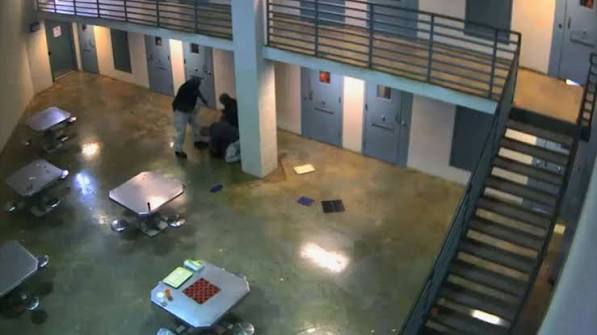
Safety goes beyond medical care. Facilities must also protect people from harm by others. That means not placing someone in a cell with a known violent inmate if there is a clear risk of assault. Jails and prisons are required to take reasonable steps to prevent violence and keep inmates safe.
In many cases, deaths in custody happen because one or more of these basic duties were not followed. If a loved one has died while in police custody in Illinois, it is critical to have the situation investigated as soon as possible. Important evidence, such as surveillance video, incident reports, and medical records, may only be available for a limited time. An attorney can help preserve that evidence, work with medical experts, and determine exactly what happened. And these are what these cases are about, what you can prove happened.
Sadly, there have been many lawsuits in Illinois filed due to officers and others not doing their jobs. Preventable deaths have happened and counties and towns have been hit with multi million dollar lawsuits.
These cases are often complex. They may involve claims against multiple parties, including police officers, correctional staff, medical providers, and the facility itself. A qualified attorney can help a family understand their rights and pursue a wrongful death or civil rights claim if negligence or misconduct played a role. It takes an elite law firm to get the best result possible in a case like this.
For a free consultation and a referral to a lawyer who has successfully handled jail and prison death cases, contact us via chat, our online form, or by phone at 312-346-5320. All contacts are confidential and we cover all of Illinois. Note that there are time limits for suing, so time is of the essence in these claims.