Find The Best Attorney For Your Case
(312) 346-5320 or (800) 517-1614
Free Consultations - 24/7
No Appointment Needed, Just Call

Michael Helfand

I try not to be surprised by gross behavior because it happens so much, but I still do get shocked every now and then.

This happened last week when I read about a former Batavia chiropractor who pleaded guilty in Kane County Court to filming and sharing nude images of over 180 patients. This included victims as young as three years old.

According to prosecutors, David Hanson secretly filmed patients while they were undressing and then shared the films online. Most were done in a room that was meant for red-light and infrared therapy.

This crime was not as simple as just putting up a camera. It was secretly hidden and he encouraged patients to move around and stretch while in the room. Just absolutely gross.

He is going to be sentenced in November and I would be shocked if he sees the light of day before he is an old man. He faces up to 60 years in prison and if he does ever get out, he will be required to register as a sex offender.

While some lawsuits have already been filed, there are more to come. Whether or not you can recover anything will likely depend on who owned the clinic, what insurance there is and possibly what proof there is that the owners knew or should have known this type of activity was taking place.

We know attorneys who have handled similar cases successfully in the past and take great pride going after scumbags like this.

If you want to discuss a case, please contact us any time at 312-346-5320. There is no fee to call and every case is handled on a contingency basis which means there is no fee unless a recovery is made. We promise to do whatever we can to help you.

Unfortunately this is not the only person to commit these types of acts. We have seen medical doctors, psychologists, lawyers and other professionals commit these horrific crimes or do things like sleep with a patient/client. When that happens, it is likely a lawsuit and we have helped people make significant financial recoveries in those cases.

While nobody can guarantee a result, we do promise a few things:

  1. Complete confidentiality. We do not sell or share your information except with other attorneys who can help.
  2. Absolute respect and sensitivity. We are passionate about fighting for victims in these cases and will be as delicate as possible while discussing uncomfortable facts with you.
  3. We only recommend attorneys we ourselves would hire. We started this website in 2001 to help people find the best attorney for their case. That means if we recommend a lawyer we know them and believe in them and would suggest them to a family member or friend dealing with the same situation as you.
  4. A track record of winning cases. We recommend winners who can prove they have won similar cases to yours. That does not guarantee a win for you, but those types of law firms greatly increase your chances of success.

Please reach out to us confidentially any time. We would love to help you.

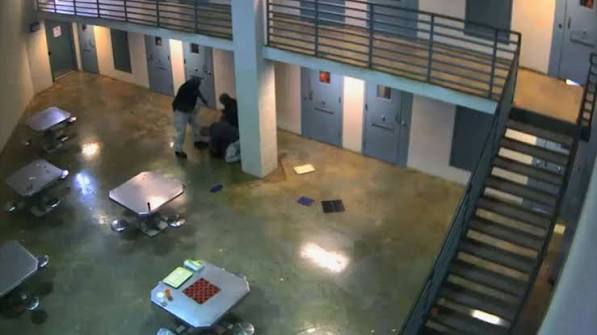
When someone is taken into police custody in Illinois—in a jail, prison, or holding cell—the government takes on a serious responsibility. That person can no longer care for themselves. Because of that, the law requires police officers, jail staff, and correctional facilities to take reasonable steps to protect that person’s health and safety.

At the most basic level, people in custody must be treated humanely. Illinois law specifically requires that individuals in custody be provided with proper food, shelter, and medical care when needed. This is not optional.

One of the most important duties is providing medical care. Under the Constitution, law enforcement and jail staff must respond to serious medical needs. They cannot ignore obvious symptoms or deny necessary treatment. This includes making sure a person receives prescribed medications, especially for serious conditions like heart disease, diabetes, or seizures. If staff know about a medical condition and fail to act, that can be considered “deliberate indifference,” which can lead to liability if the person is harmed or dies.

There is also a duty to monitor people in custody. Officers and correctional staff are expected to check on inmates regularly, especially if there are known risks. For example, if someone shows signs of a mental health crisis or has made suicidal statements, they should be placed on suicide watch and monitored closely.

Safety goes beyond medical care. Facilities must also protect people from harm by others. That means not placing someone in a cell with a known violent inmate if there is a clear risk of assault. Jails and prisons are required to take reasonable steps to prevent violence and keep inmates safe.

In many cases, deaths in custody happen because one or more of these basic duties were not followed. If a loved one has died while in police custody in Illinois, it is critical to have the situation investigated as soon as possible. Important evidence, such as surveillance video, incident reports, and medical records, may only be available for a limited time. An attorney can help preserve that evidence, work with medical experts, and determine exactly what happened. And these are what these cases are about, what you can prove happened.

Sadly, there have been many lawsuits in Illinois filed due to officers and others not doing their jobs. Preventable deaths have happened and counties and towns have been hit with multi million dollar lawsuits.

These cases are often complex. They may involve claims against multiple parties, including police officers, correctional staff, medical providers, and the facility itself. A qualified attorney can help a family understand their rights and pursue a wrongful death or civil rights claim if negligence or misconduct played a role. It takes an elite law firm to get the best result possible in a case like this.

For a free consultation and a referral to a lawyer who has successfully handled jail and prison death cases, contact us via chat, our online form, or by phone at 312-346-5320. All contacts are confidential and we cover all of Illinois. Note that there are time limits for suing, so time is of the essence in these claims.

Nobody wants to go to the doctor or hospital if they can avoid it. Even if you have good insurance, it is still expensive, takes a lot of time and can often feel like a waste of time. Let’s be honest. Healthcare in the US kind of sucks.

Patients in Illinois have a lot of concern, including worries about medical malpractice and general safety. An organization called ECRI studied these concerns and put out a list of the top ten patient safety concerns for 2026. They are not exclusive to Illinois, but certainly many of these fears we hear from Illinois residents who seek our guidance in finding a medical malpractice lawyer.

Here is a plain-English breakdown of their findings and what they mean for your legal rights.

1. Misdiagnosis and Patient Harm from AI Guidance

Artificial intelligence is the number one patient safety concern this year. Healthcare corporations are rushing to use AI to cut administrative costs, but these automated systems are notorious for making diagnostic errors that lead to catastrophic patient harm. Beyond algorithmic bias, there is a major concern that relying on software erodes the critical thinking skills of actual doctors. AI can be a tool, but human physicians must make the ultimate medical decisions.

2. Rural Healthcare Closures and Medical Oversight

It is a simple fact that funding cuts to Medicare reimbursements have been catastrophic for rural healthcare providers. These cuts, combined with the difficulty of recruiting qualified doctors to rural towns, mean patients outside major cities face worse medical outcomes, lower life expectancy, and less access to mental health support. Alarmingly, some networks are pushing low-income patients to rely entirely on AI “doctors,” which is incredibly dangerous.

3. Increased Rates of Preventable Disease

Vaccines work—or at least, they used to prevent massive outbreaks. Due to a massive spike in medical misinformation online, diseases like measles that were essentially eradicated are making a comeback, resulting in preventable deaths and severe, lifelong injuries.

4. Federal Healthcare Funding Cuts

Government spending on healthcare is projected to drop by an estimated $1 trillion. While cutting budgets sounds great in abstract political debates, the real-world consequence is that millions of everyday people will be denied adequate medical care, leading to preventable fatalities.

5. Failure to Recognize and Respond to Patient Deterioration

Many patients worry that modern hospitals simply fail to catch and respond to developing complications. Research shows that facilities only track about half of the adverse events that occur, making it incredibly difficult to prevent the exact same hospital mistakes from harming future patients.

6. Gender Bias Against Women in Medicine

Medical gender bias remains a pervasive issue. Too often, when a woman reports severe pain, healthcare providers dismiss it as “emotional,” hormonal, or psychological. The ECRI data confirms this systemic issue: women’s medical complaints are treated with significantly less urgency than men’s, especially regarding the timely administration of pain medication. Dismissing symptoms this way can quickly cross the line into medical negligence.

7. Staffing Shortages and Corporate Hospital Negligence

Severe nursing and doctor shortages plague thousands of medical facilities across Illinois. This is heavily driven by the private equity and corporate ownership of hospitals. Executives cut staffing to protect profit margins, even though understaffed floors directly result in terrible patient outcomes. Ironically, this cost-cutting measure has become a massive driver of medical malpractice lawsuits.

8. Retaliation Against Medical Whistleblowers

Patient safety suffers when healthcare workers are discouraged from reporting errors. Doctors and nurses report that blowing the whistle on unsafe hospital conditions or surgical mistakes often results in professional retaliation or being ostracized. When staff are bullied into silence, dangerous conditions persist, and patients pay the price.

9. Emergency Room Boarding and Limited ICU Beds

Because hospitals face severe bed shortages, critical patients are frequently “boarded” in overcrowded emergency rooms for hours or even days instead of being moved to specialized units like the ICU. ER staff are spread incredibly thin, and keeping a critical patient there without dedicated specialist oversight is a recipe for severe medical oversight.

10. Preventable Medication Distribution Errors

Medication errors account for a staggering 29% of adverse events in medical facilities, heavily driven by poor drug packaging. Pharmaceutical companies frequently package entirely different medications in identical-looking bottles and boxes. It is a simple design flaw with fatal consequences, yet corporate manufacturers have been incredibly slow to fix it.


What are Your Legal Rights in Illinois?

Almost every single one of these structural flaws can result in a catastrophic injury that warrants an Illinois medical malpractice lawsuit. If you or a loved one has suffered due to a hospital’s negligence, a surgical error, or a failure to diagnose, you do not have to fight the insurance companies alone.

Frequently Asked Questions about Illinois Medical Malpractice

What qualifies as medical malpractice in Illinois?
To have a case, you must prove that a healthcare provider breached the “standard of care” (failed to act with the skill and care that a reasonably qualified competent doctor would use under similar circumstances) and that this specific failure directly caused your injury or wrongful death.

What is the statute of limitations for medical malpractice in Illinois?
In most cases, Illinois law requires you to file a medical malpractice lawsuit within two years of the date you knew, or reasonably should have known, about the injury. However, a lawsuit can never be filed more than four years after the actual negligence occurred (with separate, extended rules applying to minors).

How much does it cost to hire a medical malpractice lawyer?
Reputable Illinois personal injury and malpractice attorneys work on a contingency fee basis. This means there are absolutely zero upfront costs to you, and the law firm only gets paid if they successfully secure a financial settlement or jury verdict for your case.

If you would like a completely free, honest, and confidential case review from an attorney we trust, please call our team anytime at 800-517-1614.


I remember the first time I heard about robots performing surgery. That was wild to me, but at least we knew that doctors were handling everything. That seems to be changing a bit when it comes to AI in the medical field. And in my opinion, that should worry everyone.

Artificial intelligence is starting to play a bigger role in medicine, including in operating rooms across the country. Many hospitals now use surgical systems with AI-powered software that is designed to help doctors perform procedures more precisely. These tools work like a GPS system for the human body, helping surgeons track where their instruments are during surgery. In theory, this technology should make procedures safer. But some recent botched surgeries suggest that these systems don’t always work the way they are supposed to. When that happens, it’s likely a case of medical malpractice.

In some cases, the technology reportedly told surgeons their instruments were in one place when they were actually somewhere else inside the patient’s body. When that happens, the results can be catastrophic. Surgeons may unintentionally damage nearby tissue, nerves, or blood vessels if they rely on incorrect information from the navigation system. If they are not verifying EVERYTHING that the AI tool is telling them, it’s a problem.

One reported case involved a surgeon performing a minimally invasive sinus surgery on a middle-aged woman. The surgeon intended to blow up a small balloon in her sinus cavity to expand it. During the operation, the navigation system reportedly misidentified where the instrument was located inside her head. As a result, her carotid artery was injured, leading to a blood clot and then a stroke. The mother of four spent five days in the ICU. A part of her skull was removed to give her brain room to swell.

Reports to federal regulators suggest that problems actually increased after AI features were added to certain surgical navigation systems. Before the AI upgrades, only a small number of malfunctions had been reported. After the changes, regulators received many more reports involving injuries, equipment errors, or system malfunctions.

Federal regulators have cleared more than 1,000 AI-enabled tools used for diagnosing conditions, monitoring patients, and assisting with surgery. While many doctors believe this technology can improve patient care, some experts worry that certain devices may not be thoroughly tested before they reach the market.

For patients, it is important to understand that AI does not replace the judgment or responsibility of the surgeon. These systems are meant to assist doctors, not make decisions for them. However, when the technology provides incorrect information during surgery, it can create serious risks.

As AI becomes more common in hospitals and operating rooms, these types of problems may lead to more medical malpractice and product liability claims. If you or a family member has suffered serious harm from a botched surgery, it is worth discussing this with a licensed attorney. Contact us today for a free consultation and advice on how to best move forward.

If you were hurt on the job, Illinois workers’ compensation insurance companies will often try to deny your claim by stating you have a pre-existing condition. This common insurance tactic flies in the face of actual Illinois law.

Under the Illinois Workers’ Compensation Act, you are legally entitled to full work comp benefits if your employment duties cause, aggravate, or accelerate an underlying medical condition or injury.

Simply put: having a history of back pain, knee issues, or a past surgery does not disqualify you from receiving compensation if your job makes that condition worse.


The Legal Standard: Aggravation vs. Temporary Flare-Up

To win an Illinois workers’ compensation claim involving a pre-existing injury, your medical evidence must prove that your workplace duties caused a distinct physical change or permanent worsening of your condition.

These two real-world examples demonstrate how Illinois courts evaluate these cases:

Example 1: The Temporary Aggravation (Difficult to Win)

A worker tears his rotator cuff while working out at a local gym. Two days later, he goes to work and claims his shoulder feels significantly worse after lifting a box.

  • Why this is hard to win: The underlying injury clearly happened outside of work. Without distinct diagnostic evidence, a judge will likely view lifting the work box as a temporary flare-up rather than a permanent aggravation. To win a case like this, you would realistically need an MRI taken right after the gym incident and a second MRI after the workplace lifting incident to prove structural change.

Example 2: The Permanent Worsening (A Winning Case)

Courts have upheld benefits for injured workers with extensive medical histories when workplace incidents permanently aggravate prior conditions. For instance, in cases involving workers with prior back surgeries who suffered subsequent motor vehicle accidents or heavy-lifting strains on the job, courts and the Illinois Workers’ Compensation Commission (IWCC) have ruled in favor of employees when medical evidence shows a transition from stable baseline health to total or partial disability.

  • The Core Principle: If an employee is capable of performing regular duties prior to a workplace incident but is disabled or requires new medical care afterward, the employment event is considered a major contributing factor, entitling them to medical coverage and disability benefits.

Frequently Asked Questions About Illinois Work Comp & Pre-Existing Conditions

  • What counts as an “aggravation”? When a workplace accident causes an underlying, stable condition to become symptomatic, worsen, or require new medical intervention.
  • Can a claim be denied for past surgeries? Insurers frequently attempt this, but denials are unlawful if the new workplace incident measurably worsened your physical condition.
  • How do you prove aggravation? Through consistent medical records, diagnostic imaging, and a physician’s explicit statement that the workplace event caused the current symptoms.

Speak with a Chicago Workers’ Compensation Lawyer Today

Do not let an insurance adjuster convince you that your prior medical history ruins your case. If you were capable of working before your accident and now require medical care, justice is on your side.

For a free, confidential case review or a direct referral to an experienced workers’ compensation attorney in your area, contact our office 24/7:

Online: Contact us Now

Call Us Locally: (312) 346-5320

Toll-Free Nationwide: (800) 517-1614

People call us all of the time looking for the “best lawyer” for whatever area of law their case involves. We have written about the qualities of the “best Chicago workers’ compensation lawyer” or the “best Illinois personal injury lawyer.” Those posts are still valid. But recently I was talking to a great car accident attorney that we send cases to, and he reminded me of something that the best trial lawyers do.

The first thing to know is that in civil cases, not every lawyer is really a trial lawyer. A lot of lawyers want cases, but do not actually want to do the hard work to get a case ready for trial. They are hoping a defendant just pays.

The second thing to know is that ironically, the best way to get a case to settle and avoid trial is to do all the hard work. This is what the best Illinois trial lawyers do.

Trials are a risk for both parties. They happen for reasons including:

  • There is a gap between the parties as to what the case is worth and neither side will budge off their demands.
  • One party refuses to be reasonable. This happens a lot in medical malpractice cases.
  • Someone’s case is terrible and they won’t acknowledge it.

But the biggest reason that a case goes to trial instead of settling is because you hired the wrong law firm. If they don’t do the hard work up front, it will hurt you in the end. Some common mistakes include:

  • Failing to secure the evidence quickly. This is really important in truck crashes and slip and fall cases, but true in general in every case. Maybe you find a witness that nobody else does. Maybe you secure and investigate a black box in a vehicle. This stuff makes a huge difference.
  • They do not hire the best experts. Almost every civil lawsuit needs some sort of expert witness to testify on your behalf. It is mandatory for medical malpractice cases. These experts can make or break your case.
  • They did not rock discovery. Before you go to trial, a pseudo trial happens with depositions and written discovery. This is your chance to make your case and show the other side how strong your position is. Some attorneys float through this process. It hurts the clients. An aggressive lawyer will get the documents that the other party hoped you would never find out about. In one case we were involved in, the defense attorney swore there was only $1 million in insurance coverage. The lawyers we recommended discovered a hidden corporate owner that made the case worth more than $10 million.

The attorneys who do this stuff well are truly the best trial lawyers in Illinois because they understand that the trial starts the moment they are hired, not when they file the lawsuit or appear before a jury. They are always ready, willing and able to try a case and will when it makes sense. But they get the best results for their clients because they can avoid the stress and risk that a trial puts on a client and still get an amazing outcome.

By the way, a lot of these men and women really love going to trial. Trials are exciting. They can be great publicity for their law firm. They look good on a website and in a newspaper. But the goal they all share is doing what is bet for the client. And that means that they kick ass from the get go, not just when the bright lights are on them.

We are experienced injury attorneys who will give you a free case review and help you find the best attorney for your case. Call us any time at 312-346-5320.

Imagine sitting at a stoplight in Chicago when a United States Postal Service (USPS) mail truck rear-ends you. Your neck and back are immediately injured. You visit the ER, follow up with your doctor, and begin months of physical therapy.

If this were a normal car accident, your phone would be ringing off the hook with “ambulance-chasing” lawyers. But after a USPS crash, you notice something strange: no one is calling you. Even worse, when you call a few local personal injury lawyers, they tell you they can’t take your case.

Why are lawyers turning down a clear-cut accident? It comes down to a strict federal law called the Federal Tort Claims Act (FTCA).

Key Takeaways: USPS Accident Claims in Illinois

  • The Federal Government is the Defendant: Because the USPS is a federal agency, you cannot sue the driver directly in state court. You must file a claim against the United States under the FTCA.
  • Attorney Fees are Capped: Federal law limits attorney fees to 20% for administrative settlements and 25% if a lawsuit is filed.
  • Strict Administrative Process: You must exhaust a mandatory 6-month administrative process before you are allowed to file a lawsuit in federal court.

What is the Federal Tort Claims Act (FTCA)?

When you are involved in a car accident with a standard commercial vehicle or a private citizen in Illinois, your case is governed by state personal injury laws. However, the federal government has “sovereign immunity,” meaning it cannot be sued unless it gives permission.

The Federal Tort Claims Act (FTCA) is the legal framework that grants this permission. It allows citizens to recover compensation if they are injured by a federal employee acting within the scope of their employment.


Why Do Many Illinois Lawyers Refuse USPS Accident Cases?

If you have been turned away by other law firms, it isn’t because you don’t have a valid case. Many personal injury attorneys avoid federal government accidents for two primary reasons:

1. Drastically Reduced Attorney Fees

In a typical Illinois car accident case, personal injury lawyers operate on a contingency fee, usually charging 33% to 40% of the final recovery. Under the FTCA, federal law strictly caps attorney fees:

  • 20% of an administrative settlement.
  • 25% of a federal court judgment or court-approved settlement.

Because the financial payout for the law firm is significantly lower, some attorneys choose not to take them on.

2. Harder Work and Strict Procedures

FTCA cases require significantly more administrative work than standard state-court insurance claims.

  • No Direct Lawsuits: You cannot simply file a lawsuit in your local county courthouse.
  • Federal Court Hurdles: If the claim doesn’t settle administratively, the case must be litigated in U.S. District Court, where the rules of evidence and procedure are notoriously strict.
  • Slow Government Response: You are dealing with the U.S. Attorney’s Office and federal claims adjusters, who frequently take months to review filings.

How to File a Claim Against the USPS in Illinois

Navigating a federal injury claim requires precise adherence to a step-by-step timeline. Missing a single deadline can permanently cause you to lose your right to compensation.

Step 1: File Standard Form 95 (SF-95)

To start your claim, your lawyer must file an administrative claim using Standard Form 95 directly with the USPS National Tort Center. This form must state the exact nature of your injury and include a “sum certain”—the precise amount of financial damages you are demanding.

Step 2: The Six-Month Waiting Period

Once the federal government receives your SF-95, they have exactly six months to investigate the accident. During this period, they can choose to admit fault and offer an administrative settlement (where attorney fees are capped at 20%), or they can deny the claim.

Step 3: Moving to Federal District Court

If the USPS denies your claim or fails to offer a fair settlement within those six months, you finally gain the right to file a formal lawsuit. Your case will be filed in federal court (such as the U.S. District Court for the Northern District of Illinois if the crash happened in Chicago).


We Connect You with Illinois Lawyers Who Handle FTCA Claims

While some personal injury lawyers shy away from federal cases because they demand more work for less pay, we view it differently.

Once an experienced attorney understands the federal system, managing an FTCA case is straightforward. We work closely with top-tier Chicago car accident lawyers who specialize in federal vehicle crashes, understand the inner workings of the U.S. Attorney’s Office, and actively welcome these cases.

You deserve full compensation for your medical bills, lost wages, and pain and suffering—regardless of whether a private citizen or a federal mail carrier hit you.


Frequently Asked Questions (FAQs)

What is the statute of limitations for a USPS accident in Illinois?

Under the FTCA, you must present your administrative claim (Form 95) to the federal agency within two years of the date of the accident. If your claim is denied, you have exactly six months from the date of the denial letter to file a lawsuit in federal court.

Can I sue the mail carrier individually?

No. Under the federal Westfall Act, the United States government is substituted as the sole defendant in place of the individual federal employee, provided the employee was driving as part of their official job duties.

Will my USPS accident case go to a jury trial?

No. One of the unique rules of the Federal Tort Claims Act is that all trials are bench trials. This means your case will be heard and decided strictly by a federal judge, not a jury of citizens.

So if you were hit by a USPS truck or any other Federally owned vehicle, do not fret. We can help you find an excellent lawyer who will protect you and get you compensated for your injuries. Call us any time at 312-346-5320 for a free review of your case.


This is not a fun post to write, but it is a very important topic. Since 2001 we have helped over a half a million people with legal questions or finding the right lawyer. If you want our help, please contact us any time for a free case review.

Amazon is unfortunately the most dominant company around. It is great for convenience. It is kind of insane that you can order something and it is at your home later that day or the next. It has certainly changed our way of thinking and purchasing.

I say it is unfortunate because of a few reasons. First is that in Amazon workers’ compensation cases, we have heard many horror stories of how they treat their employees. Reports of drivers and warehouse workers having to pee in bottles are widespread. But many injured workers report a complete lack of empathy from their bosses and attempts to get rid of them.

It is also unfortunate because people can get just about anything they want on Amazon, including items that can harm them. And this has led to lawsuits against the company.

Most recently Amazon was sued by families with relatives who committed suicide by consuming sodium nitrite they bought from the retailer’s site. The families accused Amazon of promoting the sale of sodium nitrite on its website alongside other products that could assist people in carrying out suicides.

They also alleged that Amazon has known of the link between sodium nitrite and suicide for years yet continued to sell the product without restrictions.

And that is really the crux of the case. If Amazon knows/knew that people were buying products on their website and using them to harm themselves, that is negligent. In these cases, according to this statement from a Congresswoman, it is alleged that Amazon allowed children to set up accounts and recommended other products such as a suicide handbook and a pill to prevent vomiting to help with suicide.

That is shocking. And incredibly gross if true. And devastating for these families. Why would a suicide handbook ever be sold by them? What is the point of that? Why would they (allegedly) promote a pill to help prevent vomiting when committing suicide.

Lawsuits such as this are really the only way to make a company that is so focused on money change their bad behavior. The only other option is legislation or for them to grow a conscience and do the right thing. Based on our dealings with them, I would not expect that to ever happen. Hopefully these and future lawsuits save lives and change behavior.

We love going after Amazon and holding them accountable. If a loved one of yours has been harmed by their products, please call us at 800-517-1614 for a free case review. We will do whatever we can to help.

A caller to our office was badly injured at a gym recently. He did not think he had a lawsuit because he had signed a waiver when he joined the gym. The waiver was pretty standard in that it released the gym from having any liability when it comes to injuries from working out, using the equipment, etc.

I have seen a lot of these waivers and you probably have too. Maybe you read them, maybe you didn’t. You can’t sign up for a 5k or any other race without agreeing to a waiver. So if you are running and break your leg in a pot hole, you state that you are going to forfeit your right to sue. We have seen waivers in others instances such as youth sports, trampoline parks, indoor rock climbing venues and many others.

Does Signing A Waiver End Any Chance Of An Illinois Personal Injruy Lawsuit?

A lot of people think that if you sign a waiver then that is it. In Illinois that is simply not true. A waiver can definitely limit your options, but it is always worth having a free consultation with an experienced attorney before making any final decisions.

When you sign a waiver, what it can do is waive your right to sue for an anticipated injury. So for example, if you are running on the treadmill at a gym and it skips, causing you to fall and hurt your knee, the waiver probably anticipates that will happen.

On the other hand, if a mirror falls off of a wall and hits you in the head, that is not anticipated. That is negligence. You can certainly sue for that. If you are playing basketball in the gym, getting fouled and hurting yourself is probably anticipated. Slipping on a wet gym floor due to a leaky roof is not and is definitely worth suing over. There have been successful lawsuits with each of those fact patterns.

This is the type of case where you will definitely need an Illinois personal injury lawyer in your corner. The insurance company for whoever harmed you will absolutely say that the waiver ends your claim. That is not true, but they will not voluntarily pay what the case is worth.

Even if you do sue, they will try to use the waiver to fight the claim. Sometimes it works, but very often it does not. It really comes down to the unique facts of how you got injured. Kids get hurt at trampoline parks all of the time. But if the injury happens because there was a defect in the trampoline, that might be enough to win. If you are doing indoor rock climbing and fall because the rock comes off the wall, that might be enough to win. Every case is fact specific.

What you should never do is take legal advice from the insurance company or anyone else that is not an attorney or has a competing interest with you.

We are happy to provide a FREE consultation and case review any time. If you would like to do that, give us a call at 312-346-5320 to talk to an attorney. We will give you direct, honest advice.

We are experienced Illinois attorneys who will talk to you for free about your medical malpractice case. For a free case review, please contact us at 312-346-5320.

Medical malpractice lawsuits in Illinois are highly complex, emotionally taxing, and strictly regulated by state law. Because medical errors involve complicated clinical data and aggressive insurance defense teams, these cases require an immense amount of strategic preparation.

While every injury claim is unique, understanding the standard timeline helps set realistic expectations for your legal journey.

Quick Summary: Timeline of an Illinois Malpractice Case

  • Statute of Limitations: You generally have two years from the date you discovered the injury to file a lawsuit in Illinois.
  • Pre-Suit Investigation: Gathering and reviewing medical records usually takes 6 to 12 months before a lawsuit can even be drafted.
  • The Litigation Phase: Once filed in court, a case typically takes 24 to 28 months to reach a jury trial or final settlement conference.

Step 1: Evaluating the Medical Negligence

To build a viable medical malpractice lawsuit in Illinois, you must establish that a healthcare provider breached the professional “standard of care” and directly caused your injury.

It is vital to separate a simple poor medical outcome from actionable medical negligence.

  • What is NOT malpractice: An unpreventable side effect, a known complication of a procedure (such as an accidental colon puncture during a colonoscopy), or rude bedside manner.
  • What CAN BE malpractice: A delayed diagnosis of cancer, surgical errors on the wrong body part, severe nerve damage due to improper surgical technique, or medication overdoses.

Furthermore, because these lawsuits are incredibly expensive to litigate, the physical and financial harm to the patient must be severe and life-altering to make a lawsuit viable.


Step 2: Selecting an Experienced Personal Injury Lawyer

While hundreds of law firms advertise for personal injury, only a small handful of elite firms in Illinois possess the deep financial resources and trial experience required to defeat major hospital systems.

During your initial consultation, an expert malpractice attorney will:

  1. Review the facts of your medical treatment to find obvious legal hurdles or defenses.
  2. Sign a contingency fee agreement, ensuring you pay nothing out-of-pocket unless they win your case.

Step 3: The Pre-Suit Investigation and Medical Review

This is the most critical stage. Illinois law (735 ILCS 5/2-622) demands that a medical malpractice lawsuit include an affidavit confirming your case has merit.

To secure this medical validation, your legal team will launch an intensive review process:

  • Medical Record Retrieval: Your firm will audit and analyze potentially tens of thousands of pages of medical charts, labs, and imaging.
  • In-House Nursing Audit: Elite law firms utilize in-house nurse consultants to quickly pinpoint charting discrepancies or signs of medical cover-ups.
  • Independent Expert Review: Your records will be sent to an outside, board-certified physician practicing in the exact same specialty as the defendant provider. If a botched spinal surgery occurred, an independent orthopedic or neurosurgeon must sign an affidavit confirming that the care violated accepted medical standards.

This process routinely takes 6 to 12 months. This is why you should never wait until the last minute of your two-year statute of limitations to contact an attorney.


Step 4: Filing the Lawsuit and the Discovery Phase

Once the certificate of merit is secured, the formal complaint is filed in court. The case then enters the Discovery Phase, where both sides exchange evidence:

  • Written Discovery: Both parties exchange written interrogatories (questions) and requests for documents.
  • Oral Depositions: Under oath, lawyers question the plaintiff, the defendant doctors, nurses, eye-witnesses, and hired medical experts.
  • Damages Assessment: Your attorney may hire economic experts to calculate lost wages, future medical costs, life-care plans, or produce “day-in-the-life” impact videos to demonstrate the depth of your suffering to a jury.

Due to scheduling with multiple defendants and medical professionals, this phase can keep a case in court for more than two years before a trial date is set.


Step 5: Settlement, Mediation, or Trial

Medical malpractice insurance companies rarely settle early. They will wait until depositions conclude to weigh their likelihood of winning at trial.

Formal Mediation

As the trial date nears, both parties usually meet with an independent mediator—frequently a retired judge—to explore a fair settlement value. If a settlement is reached here, the case avoids trial.

The Courtroom Trial

If mediation fails, the lawsuit proceeds to trial, lasting anywhere from two to four weeks. Hired experts testify, evidence is argued, and a 12-person jury decides the verdict.


Post-Settlement Hurdles: Liens and Probate

Winning a verdict or agreeing to a settlement does not mean a check is issued immediately. Two critical factors can extend the timeline by months:

  • Probate Court Approval: If the lawsuit involves a wrongful death, a minor child, or an incapacitated adult, the settlement must pass through probate court to protect the distribution of the money.
  • Lien Resolutions: Health insurance companies or hospitals often place liens on your settlement to claw back money they spent on your care. Your attorney must negotiate these liens down to maximize the actual cash that lands in your pocket—a process that can take several months.

Connect With an Elite Illinois Medical Malpractice Lawyer

If you or a family member suffered severe injury due to hospital errors or medical mistakes, time is working against you.

Contact us for a free, completely confidential case review at (312) 346-5320. We will thoroughly evaluate your options and connect you with the best medical trial attorney for your unique situation. We will give you the same guidance we would to a family member or friend.

Free Case Review
From Our Attorneys

Archives