Find The Best Attorney For Your Case
(312) 346-5320 or (800) 517-1614
Free Consultations - 24/7
No Appointment Needed, Just Call

Illinois Law Blog

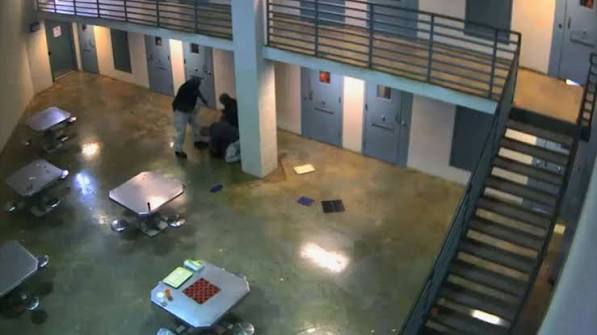
When someone is taken into police custody in Illinois—in a jail, prison, or holding cell—the government takes on a serious responsibility. That person can no longer care for themselves. Because of that, the law requires police officers, jail staff, and correctional facilities to take reasonable steps to protect that person’s health and safety.

At the most basic level, people in custody must be treated humanely. Illinois law specifically requires that individuals in custody be provided with proper food, shelter, and medical care when needed. This is not optional.

One of the most important duties is providing medical care. Under the Constitution, law enforcement and jail staff must respond to serious medical needs. They cannot ignore obvious symptoms or deny necessary treatment. This includes making sure a person receives prescribed medications, especially for serious conditions like heart disease, diabetes, or seizures. If staff know about a medical condition and fail to act, that can be considered “deliberate indifference,” which can lead to liability if the person is harmed or dies.

There is also a duty to monitor people in custody. Officers and correctional staff are expected to check on inmates regularly, especially if there are known risks. For example, if someone shows signs of a mental health crisis or has made suicidal statements, they should be placed on suicide watch and monitored closely.

Safety goes beyond medical care. Facilities must also protect people from harm by others. That means not placing someone in a cell with a known violent inmate if there is a clear risk of assault. Jails and prisons are required to take reasonable steps to prevent violence and keep inmates safe.

In many cases, deaths in custody happen because one or more of these basic duties were not followed. If a loved one has died while in police custody in Illinois, it is critical to have the situation investigated as soon as possible. Important evidence, such as surveillance video, incident reports, and medical records, may only be available for a limited time. An attorney can help preserve that evidence, work with medical experts, and determine exactly what happened. And these are what these cases are about, what you can prove happened.

Sadly, there have been many lawsuits in Illinois filed due to officers and others not doing their jobs. Preventable deaths have happened and counties and towns have been hit with multi million dollar lawsuits.

These cases are often complex. They may involve claims against multiple parties, including police officers, correctional staff, medical providers, and the facility itself. A qualified attorney can help a family understand their rights and pursue a wrongful death or civil rights claim if negligence or misconduct played a role. It takes an elite law firm to get the best result possible in a case like this.

For a free consultation and a referral to a lawyer who has successfully handled jail and prison death cases, contact us via chat, our online form, or by phone at 312-346-5320. All contacts are confidential and we cover all of Illinois. Note that there are time limits for suing, so time is of the essence in these claims.

Nobody wants to go to the doctor or hospital if they can avoid it. Even if you have good insurance, it is still expensive, takes a lot of time and can often feel like a waste of time. Let’s be honest. Healthcare in the US kind of sucks.

Patients in Illinois have a lot of concern, including worries about medical malpractice and general safety. An organization called ECRI studied these concerns and put out a list of the top ten patient safety concerns for 2026. They are not exclusive to Illinois, but certainly many of these fears we hear from Illinois residents who seek our guidance in finding a medical malpractice lawyer.

Here is a plain-English breakdown of their findings and what they mean for your legal rights.

1. Misdiagnosis and Patient Harm from AI Guidance

Artificial intelligence is the number one patient safety concern this year. Healthcare corporations are rushing to use AI to cut administrative costs, but these automated systems are notorious for making diagnostic errors that lead to catastrophic patient harm. Beyond algorithmic bias, there is a major concern that relying on software erodes the critical thinking skills of actual doctors. AI can be a tool, but human physicians must make the ultimate medical decisions.

2. Rural Healthcare Closures and Medical Oversight

It is a simple fact that funding cuts to Medicare reimbursements have been catastrophic for rural healthcare providers. These cuts, combined with the difficulty of recruiting qualified doctors to rural towns, mean patients outside major cities face worse medical outcomes, lower life expectancy, and less access to mental health support. Alarmingly, some networks are pushing low-income patients to rely entirely on AI “doctors,” which is incredibly dangerous.

3. Increased Rates of Preventable Disease

Vaccines work—or at least, they used to prevent massive outbreaks. Due to a massive spike in medical misinformation online, diseases like measles that were essentially eradicated are making a comeback, resulting in preventable deaths and severe, lifelong injuries.

4. Federal Healthcare Funding Cuts

Government spending on healthcare is projected to drop by an estimated $1 trillion. While cutting budgets sounds great in abstract political debates, the real-world consequence is that millions of everyday people will be denied adequate medical care, leading to preventable fatalities.

5. Failure to Recognize and Respond to Patient Deterioration

Many patients worry that modern hospitals simply fail to catch and respond to developing complications. Research shows that facilities only track about half of the adverse events that occur, making it incredibly difficult to prevent the exact same hospital mistakes from harming future patients.

6. Gender Bias Against Women in Medicine

Medical gender bias remains a pervasive issue. Too often, when a woman reports severe pain, healthcare providers dismiss it as “emotional,” hormonal, or psychological. The ECRI data confirms this systemic issue: women’s medical complaints are treated with significantly less urgency than men’s, especially regarding the timely administration of pain medication. Dismissing symptoms this way can quickly cross the line into medical negligence.

7. Staffing Shortages and Corporate Hospital Negligence

Severe nursing and doctor shortages plague thousands of medical facilities across Illinois. This is heavily driven by the private equity and corporate ownership of hospitals. Executives cut staffing to protect profit margins, even though understaffed floors directly result in terrible patient outcomes. Ironically, this cost-cutting measure has become a massive driver of medical malpractice lawsuits.

8. Retaliation Against Medical Whistleblowers

Patient safety suffers when healthcare workers are discouraged from reporting errors. Doctors and nurses report that blowing the whistle on unsafe hospital conditions or surgical mistakes often results in professional retaliation or being ostracized. When staff are bullied into silence, dangerous conditions persist, and patients pay the price.

9. Emergency Room Boarding and Limited ICU Beds

Because hospitals face severe bed shortages, critical patients are frequently “boarded” in overcrowded emergency rooms for hours or even days instead of being moved to specialized units like the ICU. ER staff are spread incredibly thin, and keeping a critical patient there without dedicated specialist oversight is a recipe for severe medical oversight.

10. Preventable Medication Distribution Errors

Medication errors account for a staggering 29% of adverse events in medical facilities, heavily driven by poor drug packaging. Pharmaceutical companies frequently package entirely different medications in identical-looking bottles and boxes. It is a simple design flaw with fatal consequences, yet corporate manufacturers have been incredibly slow to fix it.


What are Your Legal Rights in Illinois?

Almost every single one of these structural flaws can result in a catastrophic injury that warrants an Illinois medical malpractice lawsuit. If you or a loved one has suffered due to a hospital’s negligence, a surgical error, or a failure to diagnose, you do not have to fight the insurance companies alone.

Frequently Asked Questions about Illinois Medical Malpractice

What qualifies as medical malpractice in Illinois?
To have a case, you must prove that a healthcare provider breached the “standard of care” (failed to act with the skill and care that a reasonably qualified competent doctor would use under similar circumstances) and that this specific failure directly caused your injury or wrongful death.

What is the statute of limitations for medical malpractice in Illinois?
In most cases, Illinois law requires you to file a medical malpractice lawsuit within two years of the date you knew, or reasonably should have known, about the injury. However, a lawsuit can never be filed more than four years after the actual negligence occurred (with separate, extended rules applying to minors).

How much does it cost to hire a medical malpractice lawyer?
Reputable Illinois personal injury and malpractice attorneys work on a contingency fee basis. This means there are absolutely zero upfront costs to you, and the law firm only gets paid if they successfully secure a financial settlement or jury verdict for your case.

If you would like a completely free, honest, and confidential case review from an attorney we trust, please call our team anytime at 800-517-1614.


I remember the first time I heard about robots performing surgery. That was wild to me, but at least we knew that doctors were handling everything. That seems to be changing a bit when it comes to AI in the medical field. And in my opinion, that should worry everyone.

Artificial intelligence is starting to play a bigger role in medicine, including in operating rooms across the country. Many hospitals now use surgical systems with AI-powered software that is designed to help doctors perform procedures more precisely. These tools work like a GPS system for the human body, helping surgeons track where their instruments are during surgery. In theory, this technology should make procedures safer. But some recent botched surgeries suggest that these systems don’t always work the way they are supposed to. When that happens, it’s likely a case of medical malpractice.

In some cases, the technology reportedly told surgeons their instruments were in one place when they were actually somewhere else inside the patient’s body. When that happens, the results can be catastrophic. Surgeons may unintentionally damage nearby tissue, nerves, or blood vessels if they rely on incorrect information from the navigation system. If they are not verifying EVERYTHING that the AI tool is telling them, it’s a problem.

One reported case involved a surgeon performing a minimally invasive sinus surgery on a middle-aged woman. The surgeon intended to blow up a small balloon in her sinus cavity to expand it. During the operation, the navigation system reportedly misidentified where the instrument was located inside her head. As a result, her carotid artery was injured, leading to a blood clot and then a stroke. The mother of four spent five days in the ICU. A part of her skull was removed to give her brain room to swell.

Reports to federal regulators suggest that problems actually increased after AI features were added to certain surgical navigation systems. Before the AI upgrades, only a small number of malfunctions had been reported. After the changes, regulators received many more reports involving injuries, equipment errors, or system malfunctions.

Federal regulators have cleared more than 1,000 AI-enabled tools used for diagnosing conditions, monitoring patients, and assisting with surgery. While many doctors believe this technology can improve patient care, some experts worry that certain devices may not be thoroughly tested before they reach the market.

For patients, it is important to understand that AI does not replace the judgment or responsibility of the surgeon. These systems are meant to assist doctors, not make decisions for them. However, when the technology provides incorrect information during surgery, it can create serious risks.

As AI becomes more common in hospitals and operating rooms, these types of problems may lead to more medical malpractice and product liability claims. If you or a family member has suffered serious harm from a botched surgery, it is worth discussing this with a licensed attorney. Contact us today for a free consultation and advice on how to best move forward.

If you were hurt on the job, Illinois workers’ compensation insurance companies will often try to deny your claim by stating you have a pre-existing condition. This common insurance tactic flies in the face of actual Illinois law.

Under the Illinois Workers’ Compensation Act, you are legally entitled to full work comp benefits if your employment duties cause, aggravate, or accelerate an underlying medical condition or injury.

Simply put: having a history of back pain, knee issues, or a past surgery does not disqualify you from receiving compensation if your job makes that condition worse.


The Legal Standard: Aggravation vs. Temporary Flare-Up

To win an Illinois workers’ compensation claim involving a pre-existing injury, your medical evidence must prove that your workplace duties caused a distinct physical change or permanent worsening of your condition.

These two real-world examples demonstrate how Illinois courts evaluate these cases:

Example 1: The Temporary Aggravation (Difficult to Win)

A worker tears his rotator cuff while working out at a local gym. Two days later, he goes to work and claims his shoulder feels significantly worse after lifting a box.

  • Why this is hard to win: The underlying injury clearly happened outside of work. Without distinct diagnostic evidence, a judge will likely view lifting the work box as a temporary flare-up rather than a permanent aggravation. To win a case like this, you would realistically need an MRI taken right after the gym incident and a second MRI after the workplace lifting incident to prove structural change.

Example 2: The Permanent Worsening (A Winning Case)

Courts have upheld benefits for injured workers with extensive medical histories when workplace incidents permanently aggravate prior conditions. For instance, in cases involving workers with prior back surgeries who suffered subsequent motor vehicle accidents or heavy-lifting strains on the job, courts and the Illinois Workers’ Compensation Commission (IWCC) have ruled in favor of employees when medical evidence shows a transition from stable baseline health to total or partial disability.

  • The Core Principle: If an employee is capable of performing regular duties prior to a workplace incident but is disabled or requires new medical care afterward, the employment event is considered a major contributing factor, entitling them to medical coverage and disability benefits.

Frequently Asked Questions About Illinois Work Comp & Pre-Existing Conditions

  • What counts as an “aggravation”? When a workplace accident causes an underlying, stable condition to become symptomatic, worsen, or require new medical intervention.
  • Can a claim be denied for past surgeries? Insurers frequently attempt this, but denials are unlawful if the new workplace incident measurably worsened your physical condition.
  • How do you prove aggravation? Through consistent medical records, diagnostic imaging, and a physician’s explicit statement that the workplace event caused the current symptoms.

Speak with a Chicago Workers’ Compensation Lawyer Today

Do not let an insurance adjuster convince you that your prior medical history ruins your case. If you were capable of working before your accident and now require medical care, justice is on your side.

For a free, confidential case review or a direct referral to an experienced workers’ compensation attorney in your area, contact our office 24/7:

Online: Contact us Now

Call Us Locally: (312) 346-5320

Toll-Free Nationwide: (800) 517-1614

People call us all of the time looking for the “best lawyer” for whatever area of law their case involves. We have written about the qualities of the “best Chicago workers’ compensation lawyer” or the “best Illinois personal injury lawyer.” Those posts are still valid. But recently I was talking to a great car accident attorney that we send cases to, and he reminded me of something that the best trial lawyers do.

The first thing to know is that in civil cases, not every lawyer is really a trial lawyer. A lot of lawyers want cases, but do not actually want to do the hard work to get a case ready for trial. They are hoping a defendant just pays.

The second thing to know is that ironically, the best way to get a case to settle and avoid trial is to do all the hard work. This is what the best Illinois trial lawyers do.

Trials are a risk for both parties. They happen for reasons including:

  • There is a gap between the parties as to what the case is worth and neither side will budge off their demands.
  • One party refuses to be reasonable. This happens a lot in medical malpractice cases.
  • Someone’s case is terrible and they won’t acknowledge it.

But the biggest reason that a case goes to trial instead of settling is because you hired the wrong law firm. If they don’t do the hard work up front, it will hurt you in the end. Some common mistakes include:

  • Failing to secure the evidence quickly. This is really important in truck crashes and slip and fall cases, but true in general in every case. Maybe you find a witness that nobody else does. Maybe you secure and investigate a black box in a vehicle. This stuff makes a huge difference.
  • They do not hire the best experts. Almost every civil lawsuit needs some sort of expert witness to testify on your behalf. It is mandatory for medical malpractice cases. These experts can make or break your case.
  • They did not rock discovery. Before you go to trial, a pseudo trial happens with depositions and written discovery. This is your chance to make your case and show the other side how strong your position is. Some attorneys float through this process. It hurts the clients. An aggressive lawyer will get the documents that the other party hoped you would never find out about. In one case we were involved in, the defense attorney swore there was only $1 million in insurance coverage. The lawyers we recommended discovered a hidden corporate owner that made the case worth more than $10 million.

The attorneys who do this stuff well are truly the best trial lawyers in Illinois because they understand that the trial starts the moment they are hired, not when they file the lawsuit or appear before a jury. They are always ready, willing and able to try a case and will when it makes sense. But they get the best results for their clients because they can avoid the stress and risk that a trial puts on a client and still get an amazing outcome.

By the way, a lot of these men and women really love going to trial. Trials are exciting. They can be great publicity for their law firm. They look good on a website and in a newspaper. But the goal they all share is doing what is bet for the client. And that means that they kick ass from the get go, not just when the bright lights are on them.

We are experienced injury attorneys who will give you a free case review and help you find the best attorney for your case. Call us any time at 312-346-5320.

Imagine sitting at a stoplight in Chicago when a United States Postal Service (USPS) mail truck rear-ends you. Your neck and back are immediately injured. You visit the ER, follow up with your doctor, and begin months of physical therapy.

If this were a normal car accident, your phone would be ringing off the hook with “ambulance-chasing” lawyers. But after a USPS crash, you notice something strange: no one is calling you. Even worse, when you call a few local personal injury lawyers, they tell you they can’t take your case.

Why are lawyers turning down a clear-cut accident? It comes down to a strict federal law called the Federal Tort Claims Act (FTCA).

Key Takeaways: USPS Accident Claims in Illinois

  • The Federal Government is the Defendant: Because the USPS is a federal agency, you cannot sue the driver directly in state court. You must file a claim against the United States under the FTCA.
  • Attorney Fees are Capped: Federal law limits attorney fees to 20% for administrative settlements and 25% if a lawsuit is filed.
  • Strict Administrative Process: You must exhaust a mandatory 6-month administrative process before you are allowed to file a lawsuit in federal court.

What is the Federal Tort Claims Act (FTCA)?

When you are involved in a car accident with a standard commercial vehicle or a private citizen in Illinois, your case is governed by state personal injury laws. However, the federal government has “sovereign immunity,” meaning it cannot be sued unless it gives permission.

The Federal Tort Claims Act (FTCA) is the legal framework that grants this permission. It allows citizens to recover compensation if they are injured by a federal employee acting within the scope of their employment.


Why Do Many Illinois Lawyers Refuse USPS Accident Cases?

If you have been turned away by other law firms, it isn’t because you don’t have a valid case. Many personal injury attorneys avoid federal government accidents for two primary reasons:

1. Drastically Reduced Attorney Fees

In a typical Illinois car accident case, personal injury lawyers operate on a contingency fee, usually charging 33% to 40% of the final recovery. Under the FTCA, federal law strictly caps attorney fees:

  • 20% of an administrative settlement.
  • 25% of a federal court judgment or court-approved settlement.

Because the financial payout for the law firm is significantly lower, some attorneys choose not to take them on.

2. Harder Work and Strict Procedures

FTCA cases require significantly more administrative work than standard state-court insurance claims.

  • No Direct Lawsuits: You cannot simply file a lawsuit in your local county courthouse.
  • Federal Court Hurdles: If the claim doesn’t settle administratively, the case must be litigated in U.S. District Court, where the rules of evidence and procedure are notoriously strict.
  • Slow Government Response: You are dealing with the U.S. Attorney’s Office and federal claims adjusters, who frequently take months to review filings.

How to File a Claim Against the USPS in Illinois

Navigating a federal injury claim requires precise adherence to a step-by-step timeline. Missing a single deadline can permanently cause you to lose your right to compensation.

Step 1: File Standard Form 95 (SF-95)

To start your claim, your lawyer must file an administrative claim using Standard Form 95 directly with the USPS National Tort Center. This form must state the exact nature of your injury and include a “sum certain”—the precise amount of financial damages you are demanding.

Step 2: The Six-Month Waiting Period

Once the federal government receives your SF-95, they have exactly six months to investigate the accident. During this period, they can choose to admit fault and offer an administrative settlement (where attorney fees are capped at 20%), or they can deny the claim.

Step 3: Moving to Federal District Court

If the USPS denies your claim or fails to offer a fair settlement within those six months, you finally gain the right to file a formal lawsuit. Your case will be filed in federal court (such as the U.S. District Court for the Northern District of Illinois if the crash happened in Chicago).


We Connect You with Illinois Lawyers Who Handle FTCA Claims

While some personal injury lawyers shy away from federal cases because they demand more work for less pay, we view it differently.

Once an experienced attorney understands the federal system, managing an FTCA case is straightforward. We work closely with top-tier Chicago car accident lawyers who specialize in federal vehicle crashes, understand the inner workings of the U.S. Attorney’s Office, and actively welcome these cases.

You deserve full compensation for your medical bills, lost wages, and pain and suffering—regardless of whether a private citizen or a federal mail carrier hit you.


Frequently Asked Questions (FAQs)

What is the statute of limitations for a USPS accident in Illinois?

Under the FTCA, you must present your administrative claim (Form 95) to the federal agency within two years of the date of the accident. If your claim is denied, you have exactly six months from the date of the denial letter to file a lawsuit in federal court.

Can I sue the mail carrier individually?

No. Under the federal Westfall Act, the United States government is substituted as the sole defendant in place of the individual federal employee, provided the employee was driving as part of their official job duties.

Will my USPS accident case go to a jury trial?

No. One of the unique rules of the Federal Tort Claims Act is that all trials are bench trials. This means your case will be heard and decided strictly by a federal judge, not a jury of citizens.

So if you were hit by a USPS truck or any other Federally owned vehicle, do not fret. We can help you find an excellent lawyer who will protect you and get you compensated for your injuries. Call us any time at 312-346-5320 for a free review of your case.

This is not a fun post to write, but it is a very important topic. Since 2001 we have helped over a half a million people with legal questions or finding the right lawyer. If you want our help, please contact us any time for a free case review.

Amazon is unfortunately the most dominant company around. It is great for convenience. It is kind of insane that you can order something and it is at your home later that day or the next. It has certainly changed our way of thinking and purchasing.

I say it is unfortunate because of a few reasons. First is that in Amazon workers’ compensation cases, we have heard many horror stories of how they treat their employees. Reports of drivers and warehouse workers having to pee in bottles are widespread. But many injured workers report a complete lack of empathy from their bosses and attempts to get rid of them.

It is also unfortunate because people can get just about anything they want on Amazon, including items that can harm them. And this has led to lawsuits against the company.

Most recently Amazon was sued by families with relatives who committed suicide by consuming sodium nitrite they bought from the retailer’s site. The families accused Amazon of promoting the sale of sodium nitrite on its website alongside other products that could assist people in carrying out suicides.

They also alleged that Amazon has known of the link between sodium nitrite and suicide for years yet continued to sell the product without restrictions.

And that is really the crux of the case. If Amazon knows/knew that people were buying products on their website and using them to harm themselves, that is negligent. In these cases, according to this statement from a Congresswoman, it is alleged that Amazon allowed children to set up accounts and recommended other products such as a suicide handbook and a pill to prevent vomiting to help with suicide.

That is shocking. And incredibly gross if true. And devastating for these families. Why would a suicide handbook ever be sold by them? What is the point of that? Why would they (allegedly) promote a pill to help prevent vomiting when committing suicide.

Lawsuits such as this are really the only way to make a company that is so focused on money change their bad behavior. The only other option is legislation or for them to grow a conscience and do the right thing. Based on our dealings with them, I would not expect that to ever happen. Hopefully these and future lawsuits save lives and change behavior.

We love going after Amazon and holding them accountable. If a loved one of yours has been harmed by their products, please call us at 800-517-1614 for a free case review. We will do whatever we can to help.

A caller to our office was badly injured at a gym recently. He did not think he had a lawsuit because he had signed a waiver when he joined the gym. The waiver was pretty standard in that it released the gym from having any liability when it comes to injuries from working out, using the equipment, etc.

I have seen a lot of these waivers and you probably have too. Maybe you read them, maybe you didn’t. You can’t sign up for a 5k or any other race without agreeing to a waiver. So if you are running and break your leg in a pot hole, you state that you are going to forfeit your right to sue. We have seen waivers in others instances such as youth sports, trampoline parks, indoor rock climbing venues and many others.

Does Signing A Waiver End Any Chance Of An Illinois Personal Injruy Lawsuit?

A lot of people think that if you sign a waiver then that is it. In Illinois that is simply not true. A waiver can definitely limit your options, but it is always worth having a free consultation with an experienced attorney before making any final decisions.

When you sign a waiver, what it can do is waive your right to sue for an anticipated injury. So for example, if you are running on the treadmill at a gym and it skips, causing you to fall and hurt your knee, the waiver probably anticipates that will happen.

On the other hand, if a mirror falls off of a wall and hits you in the head, that is not anticipated. That is negligence. You can certainly sue for that. If you are playing basketball in the gym, getting fouled and hurting yourself is probably anticipated. Slipping on a wet gym floor due to a leaky roof is not and is definitely worth suing over. There have been successful lawsuits with each of those fact patterns.

This is the type of case where you will definitely need an Illinois personal injury lawyer in your corner. The insurance company for whoever harmed you will absolutely say that the waiver ends your claim. That is not true, but they will not voluntarily pay what the case is worth.

Even if you do sue, they will try to use the waiver to fight the claim. Sometimes it works, but very often it does not. It really comes down to the unique facts of how you got injured. Kids get hurt at trampoline parks all of the time. But if the injury happens because there was a defect in the trampoline, that might be enough to win. If you are doing indoor rock climbing and fall because the rock comes off the wall, that might be enough to win. Every case is fact specific.

What you should never do is take legal advice from the insurance company or anyone else that is not an attorney or has a competing interest with you.

We are happy to provide a FREE consultation and case review any time. If you would like to do that, give us a call at 312-346-5320 to talk to an attorney. We will give you direct, honest advice.

We are experienced Illinois attorneys who will talk to you for free about your medical malpractice case. For a free case review, please contact us at 312-346-5320.

Medical malpractice lawsuits in Illinois are highly complex, emotionally taxing, and strictly regulated by state law. Because medical errors involve complicated clinical data and aggressive insurance defense teams, these cases require an immense amount of strategic preparation.

While every injury claim is unique, understanding the standard timeline helps set realistic expectations for your legal journey.

Quick Summary: Timeline of an Illinois Malpractice Case

  • Statute of Limitations: You generally have two years from the date you discovered the injury to file a lawsuit in Illinois.
  • Pre-Suit Investigation: Gathering and reviewing medical records usually takes 6 to 12 months before a lawsuit can even be drafted.
  • The Litigation Phase: Once filed in court, a case typically takes 24 to 28 months to reach a jury trial or final settlement conference.

Step 1: Evaluating the Medical Negligence

To build a viable medical malpractice lawsuit in Illinois, you must establish that a healthcare provider breached the professional “standard of care” and directly caused your injury.

It is vital to separate a simple poor medical outcome from actionable medical negligence.

  • What is NOT malpractice: An unpreventable side effect, a known complication of a procedure (such as an accidental colon puncture during a colonoscopy), or rude bedside manner.
  • What CAN BE malpractice: A delayed diagnosis of cancer, surgical errors on the wrong body part, severe nerve damage due to improper surgical technique, or medication overdoses.

Furthermore, because these lawsuits are incredibly expensive to litigate, the physical and financial harm to the patient must be severe and life-altering to make a lawsuit viable.


Step 2: Selecting an Experienced Personal Injury Lawyer

While hundreds of law firms advertise for personal injury, only a small handful of elite firms in Illinois possess the deep financial resources and trial experience required to defeat major hospital systems.

During your initial consultation, an expert malpractice attorney will:

  1. Review the facts of your medical treatment to find obvious legal hurdles or defenses.
  2. Sign a contingency fee agreement, ensuring you pay nothing out-of-pocket unless they win your case.

Step 3: The Pre-Suit Investigation and Medical Review

This is the most critical stage. Illinois law (735 ILCS 5/2-622) demands that a medical malpractice lawsuit include an affidavit confirming your case has merit.

To secure this medical validation, your legal team will launch an intensive review process:

  • Medical Record Retrieval: Your firm will audit and analyze potentially tens of thousands of pages of medical charts, labs, and imaging.
  • In-House Nursing Audit: Elite law firms utilize in-house nurse consultants to quickly pinpoint charting discrepancies or signs of medical cover-ups.
  • Independent Expert Review: Your records will be sent to an outside, board-certified physician practicing in the exact same specialty as the defendant provider. If a botched spinal surgery occurred, an independent orthopedic or neurosurgeon must sign an affidavit confirming that the care violated accepted medical standards.

This process routinely takes 6 to 12 months. This is why you should never wait until the last minute of your two-year statute of limitations to contact an attorney.


Step 4: Filing the Lawsuit and the Discovery Phase

Once the certificate of merit is secured, the formal complaint is filed in court. The case then enters the Discovery Phase, where both sides exchange evidence:

  • Written Discovery: Both parties exchange written interrogatories (questions) and requests for documents.
  • Oral Depositions: Under oath, lawyers question the plaintiff, the defendant doctors, nurses, eye-witnesses, and hired medical experts.
  • Damages Assessment: Your attorney may hire economic experts to calculate lost wages, future medical costs, life-care plans, or produce “day-in-the-life” impact videos to demonstrate the depth of your suffering to a jury.

Due to scheduling with multiple defendants and medical professionals, this phase can keep a case in court for more than two years before a trial date is set.


Step 5: Settlement, Mediation, or Trial

Medical malpractice insurance companies rarely settle early. They will wait until depositions conclude to weigh their likelihood of winning at trial.

Formal Mediation

As the trial date nears, both parties usually meet with an independent mediator—frequently a retired judge—to explore a fair settlement value. If a settlement is reached here, the case avoids trial.

The Courtroom Trial

If mediation fails, the lawsuit proceeds to trial, lasting anywhere from two to four weeks. Hired experts testify, evidence is argued, and a 12-person jury decides the verdict.


Post-Settlement Hurdles: Liens and Probate

Winning a verdict or agreeing to a settlement does not mean a check is issued immediately. Two critical factors can extend the timeline by months:

  • Probate Court Approval: If the lawsuit involves a wrongful death, a minor child, or an incapacitated adult, the settlement must pass through probate court to protect the distribution of the money.
  • Lien Resolutions: Health insurance companies or hospitals often place liens on your settlement to claw back money they spent on your care. Your attorney must negotiate these liens down to maximize the actual cash that lands in your pocket—a process that can take several months.

Connect With an Elite Illinois Medical Malpractice Lawyer

If you or a family member suffered severe injury due to hospital errors or medical mistakes, time is working against you.

Contact us for a free, completely confidential case review at (312) 346-5320. We will thoroughly evaluate your options and connect you with the best medical trial attorney for your unique situation. We will give you the same guidance we would to a family member or friend.

We are experienced attorneys who will talk to you for free. If you would like to speak with a lawyer, please contact us at 312-346-5320.

Use of AI tools like ChatGPT is so common now for people looking for Illinois legal advice that I expect some day we are going to see a legal malpractice lawsuit against an AI company. We have already seen similar suits on behalf of families whose loved ones killed themselves in part based on AI guidance.

The problem is that AI does not actually think. It can regurgitate information it is aware of in a confident manner. It is almost like sports radio where someone yells and acts confident so people believe it. That is not to say it is never right, but the problem is that it is often wrong.

A recent caller to our office started off by telling me, “I am very smart and make over a million dollars a year. I have been involved in a car accident case for three years and I want you to help verify something for me. AI told me what my case is worth, but my lawyer tells me that is wrong and the best offer I can get is $50,000. That is ten times less what AI told me I should get. Can I sue my lawyer or file a bad faith lawsuit against the insurance company?

The Problem With Someone Who Takes Legal Advice From AI

I knew this call was going south when the person led off by telling me how smart they are and how much money they make.

This is the truth about relying on ChatGPT or another product for legal advice. The chances they will get it wrong are so great, that you will always have to wonder what it got wrong and what you are missing. That is if you are being honest with yourself. I say that for a few reasons including:

  • AI lacks nuance – By that I mean that every day I get calls from people who want to discuss one legal issue, but in talking to them I realize they have not thought about something else that could solve their problem.
  • AI can’t have the full picture – You can tell it your version of events, but surely are not going to give it the version that the opposing party will tell. So you are getting the advice you want to hear versus what the true situation is. Also, AI does not know who the Judge is, the opposing lawyer’s motivations or other external factors that affect the outcome of a case.
  • AI does not have real world experience – In the car accident example above, part of the reason the caller was getting only $50,000 had to do with negotiating medical liens. How that works varies from state to state, case to case and based on who the medical providers are. If you haven’t dealt with that in actuality you can’t help someone. A machine can not comprehend all of the possible scenarios.
  • AI does not think or reason – What it does is spit out a sentence based on information it is given. It often hallucinates and makes up case law and it is geared toward telling you what you want to hear.

So Is All AI Terrible?

That is not to say AI does not have useful functions. It can summarize text, help you craft a vacation plan or even get you started on drafting a letter. The summary might take the place of actual thinking. The vacation plan might be great or might miss out on things you would find out on your own, but it essentially acts as a search engine which is what it is. The drafting of the letter is great, especially if you lack creativity or are crunched for time.

But you are fooling yourselves if you think it is intelligent. You can not put a bunch of words into a machine and rely on it to regurgitate something that you can rely on to handle a complicated matter. It can give solid, generic summaries of cases, but not actual legal guidance.

And it certainly can not accurately tell you what your case is worth. If you rely on it to do so, you are either going to be disappointed with the outcome or end up settling for too little money because AI lacked the nuance or information to figure out that your case is actually worth so much more.

When a loved one suffers a catastrophic injury in a car accident, your immediate instinct is to seek out the absolute best legal representation possible. But if you open a browser and search for the “top-rated personal injury lawyers in Chicago,” you are instantly flooded with thousands of identical, commercialized results.

The reality is that there is no single “best” lawyer. Instead, your goal should be finding the premier attorney for your specific type of injury claim.

Warning Signs: 4 Legal Red Flags to Avoid

When filtering through Chicago personal injury law firms, immediately eliminate candidates displaying these red flags:

  • The Generalist (“Dabbler”): Avoid firms that juggle injury claims alongside divorce, criminal defense, or real estate law. You need a dedicated specialist.
  • Ambulance Chasers: Stay away from firms that buy police records to text, call, or mail you unsolicited materials right after a crash. This behavior violates legal ethics rules.
  • Out-of-State TV Marketing Agencies: Many firms heavily advertised on local Chicago television networks are national marketing operations with no local partners who actually try cases in Cook County courtrooms.
  • Unreasonable Fees: The standard contingency fee in Illinois is one-third (33.3%) of the recovery. Walk away from any lawyer asking for 40% or more upfront for a straightforward claim.

1. Look for a Proven Track Record in Your Specific Niche

Most personal injury attorneys can handle a basic fender-bender. However, if your claim involves a semi-truck accident, a commercial slip-and-fall, an aviation disaster, structural building defects, or institutional abuse, you need specialized experience.

The firm you choose should have successfully handled dozens—if not hundreds—of cases identical to yours so they are never learning on your dime.


2. Match the Law Firm to the Insurance Policy Limits

A major factor in matching a client to the ideal Chicago injury firm is evaluating the available insurance policy limits and the type of defendant involved.

High-Value Commercial Claims

If you suffer a catastrophic, life-altering injury caused by a corporate entity or commercial trucking company, millions of dollars are typically on the line.

For these cases, you need a high-powered firm with a long pattern of seven-, eight-, and nine-figure trial verdicts. Insurance companies know which firms are willing to turn down a mediocre $1 million settlement offer to secure a $10 million award at trial.

Modest-Value Policy Limits

If your case has a maximum potential value of $100,000 due to individual insurance policy limits, a massive corporate trial firm isn’t the right fit.

Instead, you want a boutique, highly attentive attorney who will ruthlessly negotiate down your medical liens and dedicate their energy to maximizing the exact dollar amount that lands in your pocket at the end of the day.


3. Don’t Fall for Superficial “Top Lawyer” Badges

When assessing a firm’s authority, be careful about where you look for validation:

  • Paid Legal Awards: Most online “Top Attorney” digital badges or plaque awards are marketing operations. Experienced lawyers do not factor paid badges into their professional assessments.
  • Misleading Settlement Metrics: A website boasting a “$1,000,000 win” looks impressive out of context. But if that specific client’s case was realistically worth $5,000,000, that settlement actually represents a massive loss. Look for a consistent, historical pattern of high-tier results rather than single, flashy numbers.

4. Evaluate Experience, Staff Longevity, and Future Stability

The premier personal injury firms in Illinois are concentrated right here in Chicago. When we evaluate a firm for a complex case that might take years to resolve, we look deeply under the hood:

  • The 10-Year Experience Rule: We avoid recommending lawyers with under a decade of trial experience so they aren’t treating your recovery as a learning curve.
  • Firm Transitions and Retirement Planning: We keep a close ear to the ground regarding unannounced partner retirements, firm fractures, or health issues that could derail your case halfway through litigation.
  • Accessibility and Support: A top-tier firm should adapt to you. Whether that means providing multi-lingual support staff or arranging video conferences via Zoom and home visits, you should never have to travel long distances just to speak face-to-face with your advocate.

Get a Free, Independent Case Evaluation Today

Since 2001, we have helped over 500,000 people navigate the legal system and find the ideal attorney for their exact circumstances. No law firm pays us to recommend them. Our advice is entirely objective, independent, and tailored to your story.

Call us 24/7 at (312) 346-5320 for a free consultation with an experienced attorney.

The idea of StubHub and other ticketing sites is great. I remember going to Wrigley Field in my 20’s without tickets and there being a guy holding what looked like 100 tickets selling them outside a ticket broker’s office. Buying them was the ultimate low information activity and felt a little sketchy.

Buying on resell sites feels better because you can compare prices, know what seats you are getting and never have to talk to the seller. That sounds great even if at times you end up having to spend way more than you want to in order to get in to the event.

The World Cup is here and FIFA is charging insane prices for these games. It appears a lot of people bought tickets with the hope of selling them for more money and they were right. There are rumors that FIFA actually gave a lot of their inventory to re-sell sites too. Getting into the US game this Friday will cost you more than a Final Four or World Series ticket. Yay capitalism.

The problem with the World Cup is that the only place to get guaranteed tickets is from the FIFA re-sale site. Their site sucks. It is not user friendly at all and you have to pay a 15% fee whether you are buying or selling.

So a lot of people are going to sites like Stubhub for tickets. Many of them do it because they promote a “fan guarantee” that if your seller does not deliver tickets they will get you comparable or better tickets. The problem with that is it never seems to happen and their fine print allows them to simply just refund you. Of course that does not happen usually until the last minute. This happened to me last year when trying to purchase tickets for a concert. I could not get a refund until an hour before the event started.

But the problem with the World Cup sounds insane. Here is a sample of complaints I’ve seen lately.

And here is one where a buyer had to get on a flight without tickets being delivered. Do you want to go to Houston in June without being there for an event? Neither do I.

There are hundreds of other horror stories with Stubhub and it’s not unique to the World Cup. A good friend had hockey playoff tickets until he did not. No replacement tickets given. And there’s this one below from the NCAA tournament.

So What Can You Do About Stubhub Screwing You Over?

What is your recourse if this happens to you. This person has an idea that will never happen.

I’m beyond sympathetic, but the reality is that when you sign up for Stubhub or these other ticketing sites, you agree to their terms of service. As part of that, you agree, whether you realize or not, to resolve all disputes via arbitration and waive your right to be a part of a class action lawsuit.

This is gross, but not unique to them. In fact, most companies you deal with have these clauses. Plainly speaking, suing as a consumer on a class action basis is often impossible.

There ought to be a law that prevents these clauses, but the truth is that the republicans in the Bush administration made it happen and democrats haven’t done anything about it when they have gotten power. It is the number one way that companies get away with nonsense. And it prevents them from fixing problems or actually having a real “fan protect” guarantee.

So if you are looking for tickets, it is buyer beware! And that includes any thought about suing Stubhub if things go sideways.

This post is inspired by a conversation I had with a friend in another state who was asking my opinion about their divorce. I could not give them legal advice as we only help with Illinois divorce cases. But what they were going through is relevant to anyone in Illinois who is going through a divorce involving a business.

In this case, it is a husband who is a doctor and a wife who gave up her career to support him for over 20 years, including working at the practice he founded after they got married along with raising the kids. I thought it would be helpful to talk about what legal advice I would give if you are the spouse who owns the business as well as if you were the supporting spouse.

So in no particular order, here are key things to know if you are going through a divorce with a business in Illinois. These are tips to not only help you find the best divorce lawyer possible, but also to understand how these cases actually work.

  1. When was the business started – The first thing an Illinois divorce attorney will look at is was the business started. If it was before the marriage, then it is likely not a marital asset. The earnings will be relevant for other reasons, but your spouse would not have an ownership claim. On the other hand, if it was started after you got married, then it is a marital asset.
  2. What happens when you join an existing business after you got married? – This is really common. Think of a lawyer becoming a partner in a law firm or a doctor joining an established medical practice. What is relevant is the date you became an owner in that business. If you were married then, it’s a marital asset.
  3. Not every attorney can handle a divorce with a business – While some businesses are small and do not have a lot of assets if any, if it is a successful business, you need an attorney in your corner who is experienced with forensic accounting. That means they know how to evaluate what a business is worth as well as expert accountants who can assist in the process. If your attorney has not handled dozens of similar cases it could cost you a lot of money, potentially millions.
  4. Compensation is usually given for your spouse’s ownership in the business you work at – The easiest example to think of is the spouse of an attorney at a big Chicago law firm. Let’s say a forensic accountant determines that attorney’s partnership share is worth $3,000,000. That means the other spouse can claim an interest of $1,500,000.00. There are various ways this could work out, but it is common for the non-working spouse to get paid either via a loan or being given other marital assets. For example, if you live in a $2,000,000 house that is paid off, each spouse would have a million dollar interest. Waiving rights to the home could help compensate the value of the business.
  5. None of this takes away from other Illinois divorce issues – If you have been a stay at home mom (or dad) for the marriage and gave up a career, you are likely entitled to maintenance benefits (commonly thought of as alimony). Even if you get paid your ownership percentage in the business, you can still receive compensation for the lifestyle you have grown accustomed to. In other words, if a doctor making seven figures wants to get a trophy wife they can, but the first wife will not lose out completely. They will be entitled to a percentage of ongoing income in most cases. There is also child support and division of other assets.
  6. If one spouse makes much more than the other, that spouse will likely have to pay for both lawyers – This is to prevent the person who makes more money bullying their spouse financially. So if your spouse has a car dealership and you have never worked or if you make significantly less than they do, most likely a divorce Judge would order them to pay your attorney fees too. This is usually the first motion your lawyer will file.
  7. Neither of you is the Judge – Bullying is really common in Illinois divorces and seems to happen even more so when there is a business involved. It could be one spouse saying that the other can’t see the kids. It could be the bread winner threatening their spouse financially or even trying to cut off access to bank accounts. Courts do not look kindly on this type of behavior. Court is also your solution to stop the bullying. The best thing I can tell you is do not take legal advice from your spouse. They may tell you what is going to happen to try and intimidate you, but a strong attorney can level the playing field and protect you.
  8. These divorces can take longer than ones without a business– That is because the key factor is valuing what a business is worth. Sometimes there are people who do not keep honest financial records and hide cash. Other times we might be waiting for a development that could drastically increase or decrease what the business is worth. Think of a company that has a patent for a new medicine and they are trying to bring it to market. Or a brand new restaurant or other startup. Those businesses might explode and be worth a lot or they might go bankrupt.
  9. Too many attorneys overcharge in these cases– Illinois divorces involving a business can be complex. The attorneys who are truly experienced with this usually have a high hourly rate. That is legitimate. What is not legit is some of them try to use these cases as cash registers and drastically overbill their clients. Maybe they bill for research that is not really needed. They will assign multiple attorneys to show up at court when only one is required. They will charge you for reviewing an email or having a phone call in an amount much greater than the time it actually took. I have heard of lawyers billing for thinking about a case! My strong advice is that you should closely monitor the bill and demand monthly itemized statements. Do not get too far down the road where you suddenly owe $100,000 and feel like the true value is less than half of that.
  10. All of these case issues are negotiable – When you hire an Illinois divorce lawyer, they should talk to you about your goals. Some people care about child custody over everything else. Others want to get the case done quickly so they can move out of state. Some prioritize the value of a business. Talk to your attorney about what is important to you so they can work to meet as many of your goals as possible. They can not change the law, but if they understand what matters to you, they can work to get you the best outcome attainable.

We have helped tens of thousands of people who are going through divorce in Illinois. Our service based out of Chicago and we have a network of top, experienced family law attorneys in Cook County, Lake, DuPage, Kane, McHenry and Will Counties. If your case is there and you would like a free, confidential consultation, please contact us at 312-346-5320 any time.

One of the most common questions we get is how to pick an Illinois medical malpractice lawyer. We are attorneys who will talk to you for free and recommend who we think the best lawyer is for your case. If you would like a free, confidential case review, please contact us at 312-346-5320. We help all over Illinois. People say that our service is like having a lawyer in the family.

When a medical mistake results in a devastating injury or the loss of a loved one, your life changes in an instant. Choosing the right legal advocate is the most critical decision you will make toward securing your future recovery.

Unlike standard auto accidents or workers’ compensation claims, medical malpractice litigation is exceptionally expensive, time-intensive, and complex.

Quick Checklist: Core Requirements of a Malpractice Firm

To maximize your chances of a successful recovery, only hire an Illinois firm that meets these five strict benchmarks:

  • Massive Case Results: A proven history of at least ten medical malpractice settlements or verdicts exceeding seven figures ($1M+).
  • Multi-Attorney Rosters: A minimum staff of three dedicated litigators—ideally 10 or more—to ensure your case has adequate team support during multi-week trials.
  • Deep Financial Resources: The firm must be fully capable of advancing $100,000 to $200,000 in upfront case litigation costs to cover expert witness fees and medical record reviews.
  • 15+ Years of Lead Experience: The primary attorney managing your filing should have at least 15 years of specialized medical litigation experience.
  • Strict In-State Footprint: The firm must be physically based in Illinois and regularly try cases before local Illinois judges.

Part 1: Does Your Case Meet the Legal Threshold for Medical Malpractice?

Before evaluating attorneys, it is essential to determine whether your experience meets the rigid legal definitions required to bring a claim in Illinois.

1. Severe, Permanent Damages are Mandatory

Because medical lawsuit expenses routinely reach hundreds of thousands of dollars, law firms must look for claims involving catastrophic injuries. Sadly, if a patient makes a full, rapid recovery from a medical error, the financial cost of proving the case in court will often outweigh the potential settlement value.

2. Proving Professional Negligence vs. A Bad Outcome

Under Illinois civil law, an unexpected or poor medical outcome is not automatic proof of negligence.

  • Known Surgical Risks: Certain complications, such as an accidental bowel perforation during a colonoscopy or acquiring a hospital-born infection, are recognized risks of treatment. These situations generally only become actionable malpractice if the medical provider failed to diagnose and treat the complication in a reasonable timeframe.
  • Pre-Existing Trajectories: If the injury would have naturally occurred due to your underlying illness or pre-existing medical condition regardless of the doctor’s actions, a legal claim cannot be sustained.

Part 2: Critical Metrics for Vetting a Chicago Malpractice Attorney

If you have a viable claim, use these structural criteria to screen prospective law firms:

Look for Specific Niche Experience

Illinois law requires an outside, independent medical expert in the same specialty as the defendant to review your charts and sign a certificate of merit confirming negligence occurred.

An elite malpractice firm will already have deep connections with top-tier national medical experts. If you are dealing with a complex failed spinal fusion, you want a firm that has repeatedly litigated back surgery errors. Their familiarity with the unique clinical nuances provides massive leverage during settlement negotiations.

Verify Trial Readiness and Courtroom Performance

Insurance defense teams track which personal injury lawyers are afraid of the courtroom. If a law firm continuously avoids trials, insurance companies will offer significantly smaller settlements. Ensure your prospective firm has a clear history of taking medical lawsuits all the way to a jury verdict when necessary.

Assess the Age and Future Outlook of the Trial Team

Medical malpractice lawsuits frequently take three to five years to resolve. A common hidden risk is hiring a brilliant, highly reputable solo practitioner who is nearing retirement age. If the primary attorney on your complaint is 75 today, consider whether they will have the physical stamina to run a grueling four-week trial when they are 80. Look for firm structures that pair veteran leaders with highly aggressive trial lawyers in their 40s and 50s.


We Help You Identify the Top 10 Malpractice Firms in Illinois

Out of the hundreds of law firms marketing themselves across Illinois, our ongoing data shows that approximately ten elite firms consistently secure the highest-tier payouts year over year.

Because law firm partnerships change, partners retire, and certain firms specialize in specific clinical niches (such as birth injuries vs. surgical errors), we do not publish a generic static list. We evaluate your specific accident details in real time to match you with the exact right advocate for this moment.

No attorney pays us for a recommendation. We provide direct, honest, and completely objective legal guidance—just as we would for a close friend or family member.

Call us 24/7 at (312) 346-5320 for a free, confidential consultation.


We are experienced attorneys who will talk to you for free. Please call us any time at 800-517-1614.

There was a very tragic and sad accident at a luxury Nicaraguan resort earlier this year. A resort-owned vehicle with over 20 people in it crashed and caused multiple injuries, including killing one woman.

While this type of tragedy is somewhat rare, it does happen. What is even more common is people going on an overseas trip and having an accident of some sort. The question is, can you get an injury attorney in the United States to help you? The answer is it depends.

The Key Factor In Out Of The Country Personal Injury Claims

The reality is that laws in other countries are different than in the US. The average monthly salary in a place like Nicargua is $300-$400 which is probably less than one night’s hotel stay at most of the high end resorts there. As a result, even in a major injury case like this one, you can not expect to sue in Nicaragua and get something that fairly compensates you. They have probably never had a multi-million dollar settlement in that country.

So if you are a victim of negligence and injured, the key factor is can you find a way to sue in the United States? If so, you can likely bring a lawsuit here.

In this case, the hotel where this happened is part of a world wide luxury resort brand. They have hotels in many countries. Their US headquarters are in California and their operations center in the US is in Chicago on Wacker Drive.

In other words the victims and their families can make a great argument that a lawsuit can be filed in Illinois. That is huge and could change the value of some of these claims by tens of millions of dollars.

In this case, it appears that all of the negligence is tied to the resort. It was not a Marriott Hotel, but that is another example of a hotel chain that is all over the world. It is very reasonable to argue that you trusted the brand, so even if the negligence happened overseas, that trust and their activities in the US serve as a basis for bringing the case here.

The situation would likely be different if it was a tour operator of some sort that caused the crash. If they have no affiliation with the hotel, then it is harder to hold the hotel responsible. But even then, if the hotel was cross promoting with them, that could potentially give you a reason to sue in the United States.

For example, I was in Costa Rica and the concierge at our hotel was able to book a zipline tour and have us pay our bill through the hotel. That would likely be enough to make a sound argument that the hotel was in part responsible for any accident. On the other hand, if you walk into town and get hurt at a local restaurant, your options would likely be limited to the laws of that country.

The Bottom Line

While it sounds morbid to say, if you are going to get hurt from someone else’s negligence, you are much better served and protected if you can find a way to bring a lawsuit in the United States. The simple reality is that cases are worth more here.

There are very few law firms who have experience with international cases like this. Your run of the mill car accident attorney is not likely the right attorney to hire for a situation like this. You need a bigger injury firm that has a track record and if needed can afford to send investigators to the foreign country to gather evidence.

There are not very many law firms in the country with a real track record of complex injury cases like this. It is not typically the type of attorney you see on TV. It is the firms that lawyers would hire if it happened to them.

If you or a loved one was seriously injured out of the country at a hotel, on a cruise ship or in another place, we promise to give you the same guidance we would to a family member or friend. Call us at 800-517-1614 to speak to an attorney for free. We will give you a case review and if appropriate, recommend a top firm that can help you get financial justice for what happened.

Neck injuries at work are incredibly disruptive, painful, and complex to treat. Whether your injury happened in a split second or developed gradually over several years, recovering from cervical spine damage often takes much longer than employers or insurance adjusters expect.

If your injury is work-related, the Illinois Workers’ Compensation Act protects you. You should never have to pay out-of-pocket for your medical care, nor should you be left without income while you are physically unable to work.

What Workers’ Comp Benefits Cover For Neck Injuries

If your neck injury is connected to your job, you are legally entitled to three primary benefits in Illinois:

  • 100% Medical Coverage: Complete payment for all necessary medical care, including specialist visits, diagnostic imaging, injections, physical therapy, and surgery. There are no deductibles or copays.
  • Temporary Total Disability (TTD): Tax-free wage replacement equal to two-thirds (66.7%) of your average weekly wage if a doctor takes you off work or places you on restrictions your employer cannot accommodate.
  • Permanent Partial Disability (PPD): A lump-sum financial settlement reflecting any permanent physical limitations or loss of use caused by the injury once your medical care is complete.

Part 1: Common Types of Job-Related Neck Injuries

Cervical injuries range from minor soft-tissue sprains to permanent, life-altering neurological damage. Understanding your specific medical diagnosis is vital to calculating the long-term value of your workers’ comp claim.

Herniated Discs and Nerve Impingement

The cervical spine contains delicate discs that cushion your vertebrae. High-impact accidents or intense strain can cause a disc to rupture or bulge. Radiculopathy—pain, numbness, or a shooting electrical sensation traveling down your shoulder and arm—is a major warning sign that a herniated disc is compressing a nerve root. If left untreated, severe nerve impingement can lead to permanent muscle weakness, loss of coordination, or paralysis.

Diagnostics and Treatment Pathways

To accurately diagnose a cervical spine injury, an insurance doctor cannot rely on standard X-rays alone. Your legal team must ensure the insurance company authorizes a cervical MRI scan, which provides clear images of soft tissues, nerves, and spinal discs.

Depending on the MRI results, medical treatment typically progresses through these stages:

  1. Conservative Care: Targeted physical therapy, structured rest, and anti-inflammatory medications.
  2. Pain Management: Cervical epidural steroid injections designed to reduce localized nerve inflammation and severe pain.
  3. Surgical Intervention: If conservative measures fail, an orthopedic surgeon or neurosurgeon may need to perform an anterior cervical discectomy and fusion (ACDF) or a total disc replacement to stabilize the spine.

Part 2: How Do Workplace Neck Injuries Occur?

While certain high-risk industries naturally see more spinal damage, neck injuries can happen in virtually any work environment in Illinois.

  • Acute Traumatic Events: Sudden accidents, such as a construction site fall, a slip on an icy loading dock, or a motor vehicle crash while driving a company vehicle (resulting in severe whiplash).
  • Repetitive Trauma Claims: Gradual injuries caused by months or years of repetitive lifting, overhead reaching, or maintaining awkward postures. This includes factory workers, delivery drivers, and healthcare professionals who regularly lift patients.
  • Office and Desk Ergonomics: Sedentary office workers can suffer valid, compensable neck strain from poor workstation setups, cradling telephone receivers, or wearing heavy headsets for long hours without ergonomic relief.

Part 3: Navigating a Contested Workers’ Comp Insurance Claim

Because neck injuries—particularly those requiring steroid injections or spinal surgery—are incredibly expensive, insurance companies routinely look for reasons to deny these claims.

Common Insurance Tactics Used to Deny Claims

  • The “Pre-Existing Condition” Defense: Insurance adjusters will search your historical medical records for any mention of arthritis, degenerative disc disease (DDD), or minor neck pain from years ago to claim your current injury is not work-related. Under Illinois law, an employer is fully responsible if work duties aggravated, accelerated, or accelerated a pre-existing condition.
  • Delayed Diagnostics: Insurance companies frequently use a process called “utilization review” to deny or delay authorizing a vital cervical MRI, attempting to force you into cheaper, less effective treatments while your condition worsens.
  • Independent Medical Examinations (IME): The insurance provider may send you to a doctor they hand-pick and pay for. These IME doctors frequently write reports claiming your neck pain is just a simple muscle strain that requires no further medical treatment or time off work.

Why You Need a Specialized Illinois Workers’ Comp Attorney

Navigating the Illinois Workers’ Compensation Commission alone while managing a severe spinal injury puts you at an extreme disadvantage.

We operate entirely on a contingency fee structure. This means you pay absolutely nothing out-of-pocket, and we only collect a fee if we successfully secure financial compensation or a lump-sum settlement for you.

While you focus on your medical recovery, your legal team will manage the heavy lifting: intercepting calls from insurance adjusters, forcing the authorization of necessary medical treatments, ensuring your TTD checks arrive on time, and positioning your case for a maximum lump-sum settlement.

Connect with us 24/7 via our online chat form, or call us directly at (312) 346-5320 for a free, completely confidential case evaluation.

Prostate cancer is one of the most commonly diagnosed cancers in men, and early detection is the key to successful treatment. Unfortunately, not every patient gets the timely diagnosis they need. When doctors miss warning signs or fail to follow basic medical guidelines, a failure to diagnose prostate cancer can become life-changing — and in many cases, life-threatening.

Since 2001, IllinoisLawyers.com has helped Illinois residents get free legal guidance and referrals to the best failure to diagnose cancer attorney. If you have a malpractice claim, contact Illinois Lawyers today at 312-346-5320 or 800-517-1614 for a free, confidential consultation, or fill out our contact form.

What Happens in a Failure to Diagnose Prostate Cancer Case?

Failure to diagnose prostate cancer in Illinois can lead to serious harm. Patients may file medical malpractice claims when doctors delay diagnosis, misread PSA tests, or ignore screening guidelines, causing the cancer to worsen and treatment costs to rise.

A prostate cancer lawsuit may be filed if:

  • A doctor dismisses urinary symptoms
  • A PSA test comes back elevated, and no further testing is ordered
  • A biopsy is misread
  • A referral to a urologist is delayed or not done
  • Abnormal findings are overlooked in the chart

Learn more about how long a medical malpractice case takes in Illinois.

The Medicine: How Prostate Cancer Should Be Diagnosed

Doctors have well-established tools to detect prostate cancer early. A competent provider should:

  • Ask about urinary symptoms (hesitancy, weak stream, dribbling)
  • Consider risk factors like age, family history, and race
  • Order a PSA blood test when appropriate
  • Follow up on abnormal PSA results
  • Refer the patient to a urologist within a reasonable timeframe
  • Order imaging or a biopsy if cancer is suspected

Most failure to diagnose prostate cancer cases occur because a healthcare provider failed to follow one of these basic steps.

When a Missed Diagnosis Becomes Medical Malpractice

Why it’s a malpractice issue:

  • Early detection saves lives: Prostate cancer survival rates drop significantly if it’s not caught early. Once prostate cancer spreads — especially to lymph nodes or bone — treatment becomes more difficult, more expensive, and far less successful. That’s why delayed diagnosis cases often lead to higher failure to diagnose lawsuit settlement amounts.
  • Negligence: This can involve ignoring symptoms, ordering inadequate tests (like failing to check PSA levels), misreading scans, or delaying referrals for biopsies.

Breach of Duty: Doctors must provide care meeting the accepted standard, and failing to diagnose treatable cancer when signs exist is a breach.

This is where having the right failure to diagnose cancer attorney matters. These cases are complex, expensive, and evidence-heavy. Many firms simply do not have the experience or financial ability to handle them. We know who does.

What Damages Can You Recover in Illinois?

A failure to diagnose malpractice lawsuit may compensate you for:

Economic Damages

  • Surgery, radiation, chemotherapy, hormone therapy
  • Ongoing monitoring and follow-up care
  • Lost wages or reduced earning ability
  • Travel costs for treatment

Non-Economic Damages

  • Pain and suffering
  • Emotional distress
  • Loss of normal life
  • Loss of companionship

The severity of the delay, the stage of cancer at diagnosis, and the impact on your life heavily influence potential failure to diagnose lawsuit settlement amounts.

When You Should Call a Lawyer Immediately

You should reach out if:

  • Your prostate cancer was diagnosed at Stage 3 or Stage 4
  • Your PSA was elevated in the past, but nothing was done
  • Your doctor ignored urinary symptoms
  • A biopsy was misread
  • You lost the chance for less aggressive treatment
  • Your cancer spread during delays

Even if you’re unsure whether malpractice occurred, a quick phone call can give you clarity.

We talk to you the same way we’d talk to a friend or family member — honestly, directly, and without pressure.

Other Key Things To Know

Some other important factors to be aware of:

  • Time is of the essence. You have to sue within two years of when you knew malpractice occurred, but can not go back farther than four years to sue.
  • We are typically looking for a delay of at least six months or more.
  • Every attorney we recommend works on a contingency basis which means there is no fee unless you win the case.

How IllinoisLawyers.com Helps You

We are Illinois attorneys who:

  • Give free, confidential advice
  • Match you with the best lawyers for your exact situation
  • Know which firms win prostate cancer misdiagnosis cases
  • Treat every caller with respect and honesty

A failure to diagnose prostate cancer is one of the most devastating types of medical malpractice because timely testing makes such a massive difference in survival. If a doctor’s mistake allowed your cancer to progress, you deserve answers — and possibly compensation.

Call IllinoisLawyers.com anytime at 312-346-5320 or 800-517-1614 for free guidance. No appointments. No pressure. Just real help from real Illinois lawyers.

TL/DR – If your boss tries to kiss you, hug or have sex with you, it is against the law and likely a lawsuit. Call us at 312-346-5320 for help anywhere in Illinois. No fee unless you win the case.

When you go to work, it is to make money and hopefully progress in life. Almost everyone I have ever met just wants to do a good job and be rewarded for working hard.

What people do not want is for some creep to make them feel uncomfortable. And they certainly do not want to feel like their job security depends on giving that creep what they want.

If you are being sexually harassed, it can come in a variety of forms. This includes:

  • Lewd comments
  • Unwanted touching
  • Being asked for hugs
  • Unwanted kissing
  • Being coerced into sexual activity
  • Forcible assault

None of this should happen to you. If it does, the first thing you should do, after getting to a safe spot, is report the bad behavior to your employer. In order to have a lawsuit against your employer, they generally have to be aware of the bad behavior and given a chance to correct it.

Generally speaking, you can not sue an employer in Illinois for something a co-worker does if the employer is not aware of it and given a chance to correct the problem. Correction can mean firing that person, suspending them or taking other steps to make sure it does not happen again.

If the employer does not correct the problem or prevent it from happening again, that is when you likely have a lawsuit. Of course, sometimes it is the owner or someone else in charge who is doing the bad deed so there is nobody to report to. Other times the employer is already aware that an employee is doing bad things. In those cases, you can usually sue right away.

In a recent case, an Oak Brook police officer did some pretty gross things. This includes allegedly:

  • Sending love notes and demanding to receive love notes back
  • Repeatedly touching genitalia and other body parts over the clothes
  • Stopping someone from leaving his office
  • Making comments about the personal lives of women in the office and their sexual activity
  • Taking a woman on extended coffee runs and parking the car and groping her
  • Stating that promotions were dependent on having sex with him
  • Retaliating when he learned of complaints
  • Unholstering his gun in an attempt to intimidate

It got worse as apparently another male co-worker joined in and when the problems were reported, nothing was done about it. The case recently settled for $2 million. That is a very large number, but almost does not feel large enough. This type of behavior is simply gross.

What the best Illinois employment lawyers look for in assessing these cases, aside from the notification requirements, is does the case meet the legal standard. That standard includes:

Is the behavior so severe or pervasive as to alter the conditions of employment. In other words, would a reasonable outside person look at this and see that the behavior was wrong and it affected you. Sometimes that is a one time offense and other times it is minor things that are going on all of the time.

Most people would think that your boss saying, “I like your sweater, it looks nice” is not a big deal. But if they said that and added something like, “It would look nicer off of you” that it was inappropriate behavior. That happening once is one time too many, but not in of itself a lawsuit. That happening repeatedly over a period of time and the employer saying something like, “Oh, you know he is kidding, he jokes with everyone” would likely make it a case.

Every case is different. What we promise is that we will listen to you in confidence, give you an honest legal opinion, and if appropriate, refer you to a law firm that has a track record of winning these cases. We love holding bad people accountable. There is never a fee unless the case is successful.

If you would like a free case review with an experienced attorney, call us any time at 312-346-5320. We cover all of Illinois.

In the last month I have been contacted by multiple people who have received phone calls from detectives asking them to come in for questioning. The most recent involved a case in Chicago where someone is suspected of rape years ago and in Lake County where the Waukegan police want to ask someone about involvement in a burglary.

None of these people have been arrested. Yet. They all had the same question.

What should I do?

The Number One Thing To Do If Chicago Police Or Anyone Else Wants To Question You

If the police in Chicago, Waukegan, Wheaton or wherever want to talk to you, there is one thing every Illinois criminal defense attorney will tell you to do. In the words of the Black Eyed Peas

That is right. Shut up. Do not say anything. Do not talk at all.

Should You Not Talk To The Police If You Are Innocent?

Do not talk to the police if you are innocent either. Do you think that innocent people don’t ever get arrested? Happens all of the time. It shouldn’t, but it does. The police are not looking out for you and can certainly twist your words around. And in extreme cases, they get people to confess to things they have never done. That sounds crazy, but there are many people who have been freed after evidence shows that the police kept them up for a long period of time and then coerced them into confessing something they were innocent of.

Anything you say can and will be use against you. And some crooked cops take that to an extreme. And some honest cops can misinterpret what you are saying.

Beyond that, I have been told stories by “innocent” people who, if they repeated that story to law enforcement, would be arrested. It is usually someone who thinks they are acting in self defense or unknowingly committed a crime like retail theft or trespass.

What Do I Do If The Police Want To Meet?

Doing nothing is not a great idea in most cases. You still need to shut up and not talk to them. You can even shut up and dance.

The best way to protect yourself is to get an attorney to contact the police for you and see what they want. They can answer any questions the police have and accompany you to a meeting if needed.

Anything a lawyer you hire says can not be used against you. And an experienced Illinois criminal defense attorney knows what not to say and how to answer questions. They will protect you.

The person being investigated for possible rape who called me really did not want to spend money on an attorney. The point of getting one now is that it can help prevent you from being arrested at all. It might cost $1,500 up front to get a top lawyer to speak to the police for you. But if you get arrested and prosecuted for a felony, that would cost you ten times that amount. And of course if you get convicted, you are probably going to jail and in the case of this person, they would be labeled a sex offender.

The best thing you can do after keeping your mouth shut it to get someone who knows what they are doing to advocate for you. If you do have information that shows you are innocent, having an attorney present it will put you at no risk and greatly increase your chances of success.

It is certainly scary getting this type of phone call from the cops. If you are not scared, you are not taking it seriously. But the good news is that the right attorney can give you the best chance of the best possible outcome.

If you would like to know who we as lawyers would hire if the police wanted to talk to us, give us a call at 312-346-5320. All calls are confidential. We were learn about your case and give you unbiased advice as to what the next proper steps are.

Breaking News: The United States Supreme Court just issued a monumental, unanimous decision that completely reshapes how commercial semi-truck accident lawsuits are handled across America.

If you or a loved one has been injured in a collision involving a tractor-trailer, this ruling drastically increases your chances of securing full financial recovery. For the first time, injury victims are legally permitted to bring state-law negligent hiring claims directly against third-party freight brokers if they contract an unsafe trucking company that subsequently causes an accident.

Key Takeaways: The New Freight Broker Liability Rules

  • End of Federal Immunity: Freight brokers can no longer shield themselves behind the Federal Aviation Administration Authorization Act (FAAAA) to escape personal injury claims.
  • Access to Corporate Capital: Suing the broker unlocks massive corporate insurance policies and assets, bypassing the minimal insurance limits carried by independent truck drivers.
  • Higher Settlement Values: Cases previously capped at $1 million due to limited truck insurance can now recover tens of millions of dollars for catastrophic injuries or wrongful death.

The FAAA Safety Exception: Why This Ruling Changes Everything

Historically, if an unsafe commercial truck caused a catastrophic crash, freight brokers like C.H. Robinson, TQL (Total Quality Logistics), and others aggressively argued that federal law exempted them from state-level personal injury lawsuits. They claimed the FAAA completely preempted any local negligence claims.

The Supreme Court’s unanimous decision effectively ends that defense. Under the new interpretation of the Federal Aviation Administration Authorization Act (FAAAA), negligent hiring falls squarely under a state’s safety exception.

This means that if a broker acts recklessly by assigning cargo to a shipping carrier they know—or should know—has a documented history of federal safety violations, hours-of-service infractions, or poorly maintained fleets, the broker shares direct liability for the crash.


Why This Maximizes the Value of Catastrophic Trucking Lawsuits

This landmark ruling is a major win for consumers and commercial truck accident victims for two critical reasons:

1. Bypassing Shady Trucking Companies with Minimal Insurance

Many fly-by-night trucking companies operate on thin margins and carry minimal liability insurance policies—often capped at the federal minimum of $750,000. If an accident results in a traumatic brain injury, spinal cord damage, or wrongful death, that minimum policy cannot cover a fraction of the lifelong medical bills and lost earning capacity.

2. Targeting Multi-Billion-Dollar Defendants

By establishing a direct path to sue the freight broker, your legal team can target massive corporations with vast resources. For example, a dominant freight broker like C.H. Robinson has an estimated corporate valuation of $18 billion. If a jury awards a multi-million-dollar trial judgment or settlement, you are no longer limited by a small driver’s policy—you can collect the full, true value of your damages.


Proving Broker Negligence: What a Successful Lawsuit Requires

While this Supreme Court ruling opens the courthouse doors, winning a freight broker negligence lawsuit is not an automatic slam dunk. To secure a successful verdict or high-tier settlement, your legal team must systematically prove the broker failed in their professional duty.

This complex litigation requires:

  • Immediate Accident Reconstruction: Your attorney must instantly deploy an accident reconstruction specialist to the crash scene to download black box data, preserve logbooks, and map skid marks before the trucking company destroys the evidence.
  • FMCSA Safety Record Audits: Your lawyers must subpoena the broker’s internal vetting data to prove they ignored the carrier’s negative safety rankings in the Federal Motor Carrier Safety Administration (FMCSA) database.
  • Proving Cause: Establishing a direct line showing that the broker’s failure to vet the carrier directly resulted in an unsafe driver operating on public roads.

Vetting the Right Attorney for a Commercial Trucking Claim

Only an elite handful of nationwide trial law firms possess the financial capital and specialized federal litigation experience required to win catastrophic trucking lawsuits against corporate defense networks.

When we evaluate an attorney or firm to handle a complex freight broker claim, we analyze seven rigid metrics:

  1. Jurisdictional Experience: Does the attorney regularly practice in federal courts or the specific state where the crash occurred?
  2. Injury Severity Matching: The trial strategy required for a traumatic brain injury or trucking death is entirely different than a broken bone. Your firm must match the medical depth of your damages.
  3. Liability Flexibility: We connect clients with aggressive firms that have successfully won cases even when the victim was initially ticketed or blamed by police at the scene.
  4. Personalized and Diverse Staffing: We verify if you require a firm with multi-lingual capabilities (such as Spanish-speaking attorneys) or professionals willing to travel directly to your home or hospital room.
  5. Immediate Lead Trial Availability: If a firm’s top partner is trapped in a month-long trial elsewhere, we identify equally elite firms with immediate availability to protect your evidence.
  6. Evidence Preservation Speed: The timeline matters. We assess how quickly a firm can deploy a response team to secure physical evidence before it disappears.
  7. Fair Contingency Fee Structures: Every attorney we recommend works on a strict contingency fee basis (no fee unless you win). We screen out exploitative firms trying to charge 40% to 45% upfront, matching you only with premier firms capped at a standard one-third (33.3%) or less.

Get a Free, Independent Case Review

We treat everyone who reaches out to us like a close friend or family member. We are not a marketing mill; we actively monitor national trial verdicts and court results daily to know exactly which attorneys are winning catastrophic trucking accident lawsuits.

Call us 24/7 in complete confidence at (312) 346-5320 or toll-free at (800) 517-1614 for a free consultation. Or go to our contact us page. We will thoroughly analyze your accident details and point you to the premier trial advocates for your specific situation.

Free Case Review
From Our Attorneys

Archives