
We are experienced Illinois attorneys who can help you find the best medical malpractice lawyer for your case. Contact us any time at 312-346-5320 for a free case review.
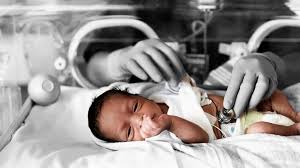 Most people think of strokes as something that happens to older people. But strokes can also happen to babies before, during, or shortly after birth. When this happens, it is called a neonatal stroke. These injuries can be serious and can affect a child for the rest of their life.
A neonatal stroke happens when blood flow to a baby’s brain is blocked or reduced, from late in pregnancy through the first 28 days after birth. When the brain does not get enough oxygen, brain cells can be damaged. Neonatal strokes are estimated to happen in about 1 out of every 2,500 births. But the real number may be higher because they can be hard to detect.
There are several possible causes of neonatal strokes. One of the main ones is lack of oxygen, also called hypoxia. This can happen if there are problems during labor and delivery, such as issues with the umbilical cord or delays in performing a necessary C-section.
From a legal standpoint, the important question is whether doctors and nurses acted the way they should have. If they missed warning signs or failed to act quickly, it is considered medical malpractice. Damages from these lawsuits can be significant. Many cases resolve for many millions of dollars due to the tragic condition a child ends up in.
Signs and Symptoms
One of the hardest parts about neonatal stroke is that symptoms are not always easy to see right away. Some babies show no clear signs at first. Seizures are often the first warning sign, but they may not look like typical seizures. A baby might make unusual facial movements, stare off, or move their arms and legs in a repetitive way.
As the child grows, other signs may appear. These can include trouble with movement on one side of the body, delays in learning to walk or talk, poor balance, or speech problems. Some children may later be diagnosed with conditions like cerebral palsy. Doctors usually use imaging tests like MRIs or CT scans to confirm a diagnosis.
Treatment and Long-Term Needs
Treatment depends on how serious the stroke is. Some babies may receive treatments like cooling the brain (to help reduce damage) or oxygen therapy. Medications may also be used to prevent or treat blood clots.
Even with treatment, many children will need ongoing care. This can include physical therapy, speech therapy, occupational therapy, and special education services. Some children may need care and support for the rest of their lives. The cost of this care can add up quickly, and it can be overwhelming for families.
Finding the Right Lawyer
If you think your child’s neonatal stroke may have been caused by a mistake during pregnancy or delivery, it is important to speak with an experienced Illinois birth injury lawyer. A lawyer can investigate what happened by reviewing medical records and working with medical experts. They can figure out whether the doctors and nurses did everything they were supposed to do.
If there was a mistake, a lawyer can help you get compensation. This can include money for medical bills, therapy, future care, and other needs your child may have. Birth injury lawyers work on a contingency fee. This means you do not pay anything upfront, and there is no fee unless they win your case.
There are so many law firms out there that it can be confusing and tough to figure out who is good. That is why people come to us. We will give you the same guidance we would provide a friend or family member. Contact us today through our chat, online form or by calling (312) 346-5320. We know the Illinois lawyers who are experienced in neonatal stroke cases, care about their clients and get huge results.