Find The Best Attorney For Your Case
(312) 346-5320 or (800) 517-1614
Free Consultations - 24/7
No Appointment Needed, Just Call

Illinois Lawyers Blog, Talk To An Attorney For Free

We are experienced Illinois attorneys who will talk to you for free. If you would like to speak with a lawyer in confidence, call us any time at 312-346-5320.

One of the greatest cons that exists in this world is how corporations get away with theft. If you go in to a store and steal an item of clothing that costs $50, you will get arrested and charged with retail theft. Yet employers steal billions from employees with wage theft every year and the worst thing that can happen to them is having to pay it back. And in most cases nothing happens at all.

So what is wage theft?

It’s pretty simple. It’s when your employer doesn’t pay you something you’ve earned. It happens with employers big and small and in so many different ways. Here are some real examples in Illinois that we’ve been able to help with:

  • A restaurant was only paying servers their tips and never giving a paycheck.
  • Automatically taking out 30-60 minutes a work day for a meal break even when the employee isn’t actually taking one. In Illinois breaks must be at least 30 minutes to be permissibly unpaid.
  • Underpayment of work. Some employers, often restaurants, will provide what is called shift pay. Meaning they will say we are going to pay you $X per shift. Often it’s something like three hours of pay even if you are there 6-8 hours. It’s very illegal.
  • Non-payment for work off the clock. Many employers will ask you to do work before or after you’ve clocked in. This could be responding to work related calls or emails after hours. It could be mandatory work before you clock in. It could be for work related travel time. If you don’t get paid or overtime then they are stealing from you.
  • Off the clock straight time work. We see this a lot with landscapers or other jobs where they pay you cash but not overtime and don’t document your actual hours worked.
  • Misclassification. Often workers are classified as independent contractors when that’s b.s. If the company has control over you, you are an employee. They do this to avoid paying taxes and to make it so they can pay you a flat rate for your work instead of following wage laws.
  • “Boot up cases.” This happens a lot in call centers and other jobs that use computers. You have to “boot up” your computer before work can actually start. So maybe your shift pay starts at 9 a.m. but they also want you to work right at 9. So they require you to get your computer ready 5-10 minutes before but don’t pay you for that time.
  • And of course there is tip theft which is one of the biggest. Employers will take pooled tips and give them to workers that shouldn’t get them like managers or take the tips for things like employee meals, charity events, etc. Even if they do nice things with it, it’s still your money and it’s still theft.

There are other examples too. Bottom line is that it’s illegal and they’ll never go to jail for it. But you can get this money back. If you’d like to speak with an employment lawyer in Chicago who can give you a free consultation, contact us any time to learn if you have a case and what steps can be taken.

See also: 30 Crappy Things Your Employer Can Get Away With

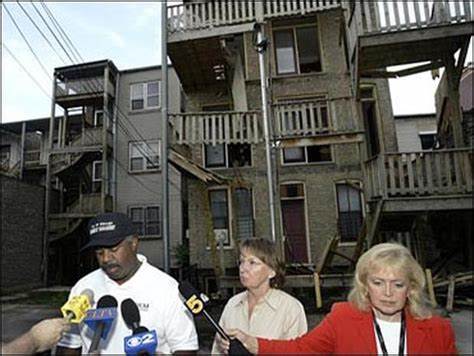
Spring is upon us in Illinois. It’s the time of year when we get fooled in to thinking winter is over. People spend time outside after hibernating. When the weather is good, parties do happen. And often due to the effects or winter along with bad construction, porches collapse at those parties and people get injured.

It’s not a unique situation. Sadly, when you search “Chicago porch collapse” in Google, a number of articles pop up. For example, on Friday, June 24, 2022, two people were injured when a porch collapsed in Lincoln Park. Also in 2022, on April 12, a West Side porch collapse killed a 53-year-old man and seriously injured two others.

In fact, the deadliest porch collapse in United States history occurred in Chicago on June 29, 2003. Shortly after midnight, a back porch on the third floor of a Lincoln Park building collapsed, falling into the basement level as it took down the intervening floors as well. Thirteen young party goers died and fifty-seven others were seriously injured.
A $16.6 million settlement was obtained by a law firm representing 14 of the victims (or victims’ families). The building owner and porch contractor settled for the full amount of the available insurance. An architect determined that the porch could have withstood the load placed on it if it had been constructed in compliance with city code. However, city inspectors had not issued any citations.

Porch collapses are not unique to the City of Chicago. Unfortunately, they happen all over the Chicagoland area and well as throughout the state, and such an incident can occur with a deck or balcony as well.

The injuries and damages from a case are typically clear cut. Due to the height of the porch or balcony, serious injuries or death can occur. Head, neck and spine injuries and broken bones are common.

What is not always clear is the cause of the collapse and who is at fault. Depending on the cause, various parties may be responsible.

In some cases, the construction company may be held liable. Perhaps they used inferior materials, followed improper construction techniques or failed to follow industry safety standards.

In other instances, a company that manufactured the materials used in the construction of the porch or balcony or deck can be held liable if it is clear that the materials, such as the supporting beams, were defective.

Finally, the owner or manager of the property may be held responsible under premises liability law. Perhaps they knew, or should have known, that the structure was in bad shape, but they failed to make the necessary repairs.

Other factors come into play on these cases, such as whether the porch was on residential or commercial property. Were the injured people guests, business patrons or trespassers? Were there warnings about the poor state of the porch?

If you or someone you know was injured or killed in a porch or balcony collapse, we work with attorneys who have great success with these difficult lawsuits. There is no cost to call us or to hire an attorney we recommend. If you’d like to speak with one of our lawyers for free, contact us any time at 312-346-5320.

Stealing from clients. Committing crimes. Lying. Acting like an asshole. Falsifying documents. There are a lot of reasons attorneys lose their license in Illinois. Here are 23 of them in the last year who have been disbarred or suspended for at least a year. All of the information comes from the ARDC which is the licensing and disciplining organization for Illinois lawyers. I highly recommend you check an attorney’s status there before hiring them.

Richard Gannett Mr. Gannett was licensed to practice in Illinois in 1981 and in Massachusetts in 1982. The Supreme Judicial Court of Massachusetts disbarred him for intentionally converting over $42,000 that he was supposed to be holding in connection with an insurance dispute. The Supreme Court of Illinois imposed reciprocal discipline and disbarred him.

Jeffrey McIntyre Mr. McIntyre, who was licensed in 1994, was suspended for 18 months and until further order of the Court. His misconduct arose from his December 2017 guilty plea to a charge of battery after he punched an employee of a tavern and his October 2018 guilty plea to operating a motor vehicle while intoxicated, his third conviction for driving while intoxicated.

Andrew Babcock Mr. Babcock, who was licensed in 1992, was disbarred on consent. In September 2021, a Michigan jury found him guilty of three counts of criminal sexual conduct.

Philip Koenig Mr. Koenig, who was licensed in 1975, was suspended for one year for intentionally converting $70,076 in funds that were owed to his client after the settlement of a lawsuit over the construction of a will.

Brian Sides Mr. Sides, who was licensed in 2002, was suspended for one year and until further order of the Court. He made false or reckless statements about the integrity of a federal bankruptcy judge in nine motions filed in the bankruptcy or federal district court.

Stephen Newport Mr. Newport was licensed to practice in Illinois in 1990 and in Iowa in 1978. The Supreme Court of Iowa suspended him with no possibility of reinstatement for one year for sexually harassing two clients. The Supreme Court of Illinois imposed reciprocal discipline and suspended him for one year and until he is reinstated to the practice of law in Iowa.

Robert Roth Mr. Roth, who was licensed in 1979, was disbarred on consent. His misconduct arose from his June 2021 conviction in Lake County for aggravated driving under the influence of alcohol, causing the death of another. Following his conviction, Mr. Roth was sentenced to five years in prison.

Felipe Gomez Mr. Gomez, who was licensed in 1988, was suspended for three years and until further order of the Court. In three separate legal matters, he repeatedly sent threatening and harassing email messages to other attorneys.

Jessica O’Brien Ms. O’Brien, who was licensed in 1998, was disbarred. She has been suspended on an interim basis since April 26, 2018, after a federal jury in Chicago found her guilty of the crimes of mail fraud and bank fraud based on her involvement in a scheme to obtain bank loans by making false statements about her income and liabilities.

Carlo Palladinetti Mr. Palladinetti, who was licensed in 1985, was disbarred. He was found guilty of bank fraud after he participated in a multi-year scheme that provided fraudulent information to lenders in order to qualify buyers for mortgage loans to purchase condominium units owned by other participants in the scheme.

Dale Halling Mr. Halling was licensed to practice in Illinois in 1993 and in Colorado in 1995. The Supreme Court of Colorado disbarred him for not diligently representing three clients in patent matters, failing to keep clients informed about the status of their matters, converting client funds in two of the matters, and abandoning two of the clients. The Supreme Court of Illinois imposed reciprocal discipline and disbarred him.

Valerie Franklin Ms. Franklin, who was licensed in 1994, was disbarred for intentionally converting more than $122,000 owed to ten separate clients in workers’ compensation and other matters.

James Leone Mr. Leone was licensed to practice in Illinois in 1981 and in Florida in 1985. In December 2020, the Supreme Court of Florida granted Mr. Leone’s petition for disciplinary revocation of his law license, with leave to seek readmission after five years. He had misrepresented facts to a third person in connection with litigation over a piece of property on which Mr. Leone and his wife had paid past-due property taxes. The Supreme Court of Illinois imposed reciprocal discipline and suspended him until he is reinstated to the practice of law in Florida.

Michael Ries Mr. Ries, who licensed in 1998, was suspended from the practice of law for two years and until he is reinstated to the practice of law before the United States Patent and Trademark Office. He engaged in a number of criminal acts involving incidents of domestic violence and driving while over the legal limit for alcohol, and he mishandled three patent applications.

Beau White Mr. White was licensed in Illinois in 1998 and in Indiana in 1999. The Indiana Supreme Court suspended him for three years, without automatic reinstatement, for failing to act with diligence in a criminal matter and a paternity case, failing to properly communicate with clients, and not cooperating in his own disciplinary proceedings. The Supreme Court of Illinois imposed reciprocal discipline and suspended him for three years and until he is reinstated in Indiana

Dean O’Connor Mr. O’Connor was licensed in Illinois in 1980 and in Arizona in 1988. An Arizona disciplinary hearing panel disbarred him for engaging in a pattern of misconduct in three separate matters. In one matter, he converted $40,000 in funds belonging to a bankruptcy estate and disbursed over $230,000 in insurance proceeds to his client without disclosing the receipt or disbursement of those proceeds to the court. In another matter, he did not adequately communicate with his client and failed to research issues involved in his client’s matter. In a third matter, he advanced non-meritorious claims and contentions, made false representations in a court filing, and made false statements to the Arizona State Bar during its investigation into his conduct. The Supreme Court of Illinois imposed reciprocal discipline and disbarred him.

Craig Sherman Mr. Sherman was licensed in Illinois in 1967 and in Florida in 1975. The Supreme Court of Florida permanently revoked his admission to the Florida Bar after he filed a petition for disciplinary revocation without leave to apply for readmission, which stated that he was the subject of a disciplinary grievance alleging, in part, misuse of funds totaling $4,175,000. Mr. Sherman agreed that there was factual predicate for disciplinary action against him. The Supreme Court of Illinois imposed reciprocal discipline and disbarred him.

John Tresslar Mr. Tresslar was licensed in Missouri in 1985 and in Illinois in 1986. The Supreme Court of Missouri disbarred him for failing to diligently represent a client, failing to maintain complete records for his trust account, misappropriating more than $68,000 belonging to his clients, and making misrepresentations to a tribunal. The Supreme Court of Illinois imposed reciprocal discipline and disbarred him.

Ryan Kosztya Mr. Kosztya, who was licensed in 2002, was suspended for two years and until he completes the ARDC Professionalism Seminar, followed by a one-year term of probation with conditions. Mr. Kosztya dishonestly misappropriated over $58,000 from clients in two matters and then made false statements to the clients and a court to hide his use of the funds.

Jaroslaw Szymanski Mr. Szymanski, who was licensed in 2013, was suspended from the practice of law for two years and until further order of the Court. In 2016, Mr. Szymanski was arrested and charged with aggravated domestic battery and domestic battery arising from an incident in which he pushed his spouse against a wall and placed his hands around her throat, causing a partial obstruction of her breathing. Mr. Szymanski later pled guilty to misdemeanor battery in connection with that incident. In 2018, Mr. Szymanski again was arrested for an incident in which he punched his spouse in the arm and attempted to punch her in the stomach, for which he was charged with two counts of resisting a peace officer and two counts of domestic battery. Those charges were later dismissed.

Sheldon Banks Mr. Banks, who was licensed in 1965, was suspended for two years and until further order of the Court and was required to demonstrate that he has paid $7,000 in restitution, plus interest, to his former client’s sister prior to petitioning for reinstatement. While representing the client in a criminal matter, he did not respond to the client’s family’s requests for information about the case, collected an unreasonable fee of $9,000 when he made no court appearances and filed no pleadings or briefs, and returned only $2,000 of the fee. He also did not respond to an ARDC subpoena.

Lori Kieffer Ms. Kieffer was licensed in Illinois in 2001 and in Iowa in 2002. The Supreme Court of Iowa suspended her with no possibility for reinstatement for one year. While representing a client in a criminal matter, she falsified her client’s signature on a written arraignment form and then made misrepresentations to the court about what she had done. The Supreme Court of Illinois imposed reciprocal discipline and suspended her for one year and until further order of the Court.

K.O. Johnson Mr. Johnson, who was licensed in 1996, was disbarred on consent. His misconduct arose from his August 2021 convictions of four counts of bankruptcy fraud and three counts of concealment of assets, for which he was sentenced to two years in prison.

We are experienced Illinois attorneys who since 2001 have helped hundreds of thousands of people with their legal issues. Please call us at 312-346-5320 to speak with a lawyer for free and in confidence.

To bring a class action lawsuit in Illinois, you have to show that numerous people suffered some sort of harm in a similar way.  Typically you are looking at least 30 people, but most class action lawsuits involve hundreds if not thousands of people and occasionally millions. So if your boss is terrible to you or sexually harasses you, that would be an individual case. On the other hand, if your company is mis-classifying thousands of workers and denying them pay, that could be a class action. If your car has a bad engine, that would probably be an individual case. On the other hand, if your car design makes it at risk of blowing up, that would likely be a class action.

There is a lot that attorneys who file class action lawsuits look for in deciding whether or not to bring a case.  This list includes deciding that an individual lawsuit wouldn’t make sense and that the number of people harmed makes a class case logical. But before they do anything they will look for one thing. Is your case subject to an arbitration clause?

Arbitration clauses are hidden contract details that most companies use. Basically they say that if you have a dispute with them, you agree to resolve it via arbitration. It’s something you’ve agreed to likely hundreds of times without realizing it. Because you’ve agreed to arbitration, it makes a class action lawsuit not possible. This all started to happen when George W. Bush was in office and it literally has allowed major companies to get away with a lot of bullshit.

So when you get screwed over by Direct TV, Verizon, Amazon, etc. and realize it’s happening to a lot of other people, you likely don’t have a class action lawsuit (nerd lawyer in me must say don’t make any final decisions from reading this blog post. You should consult with us or another law firm). It can be really frustrating because these companies know that they can rip you off of a small amount of money and there’s usually not much you can do about it. You could go to arbitration, but most people won’t do that just out of principle because their time is worth more than a small amount of money. You certainly don’t want to pay a lawyer a couple thousand dollars to get back $100.

We are starting to see employers add these clauses to their employees as well. It’s often in an attempt to avoid accountability for wage theft by them. Sometimes those individual cases are still worth it, but their theory is that if they can get away with it against most employees they will save millions if not more.

I’ve sadly over the last 20 plus years heard so many stories of cases that would be class actions if not for these clauses. There is no bigger tool for corporations to screw over the little guy than this.  While you should still consult with a lawyer before making any decisions, you can also file a complaint with the Illinois Attorney General as they are not restricted by these shameful arbitration clauses.

The good news is that not all class actions have been killed off. There aren’t arbitration clauses typically when you buy something at a store, or if your data was leaked, in false advertising or junk texts. There are many hundreds of other situations too. So the bottom line is that if you want to discuss a potential case, we are happy to talk with you any time.

We are attorneys who will help you find the best Illinois medical malpractice law firm for your case. If you would like a free consultation, please call us at 312-346-5320. For information on lawsuits from intubation errors, please read on.

Intubation is a common procedure in which a medical provider inserts a breathing tube into the trachea, or windpipe, of a person. The purpose of intubation is to maintain an open airway and get oxygen to the body. It can be the difference between life and death. Inserting the tube is a brief procedure, lasting only a few minutes. But a person can stay intubated (with a breathing tube in place) for days or weeks.

One of the most common reasons for intubation is abnormal breathing. It became well known with Covid’s arrival to our world, but is used for many other medical reasons. Heart disease, lung disease, and infections like pneumonia and sepsis often cause severe breathing problems. When the body is not able to properly inhale (to get oxygen) or exhale (to release carbon dioxide), healthy organs may stop working. Neurological damage, coma, or death may result.

Two big additional reasons for intubation are trauma and surgeries. Injury to any part of the airway, from a car accident or any other traumatic event, can affect how a person breathes. If emergency or planned surgery requires general anesthesia, the patient will be put to sleep and intubated. This enables the anesthesiologist to provide oxygen and medications during the surgery.

In most cases, a person will fully recover from intubation with no long-term side effects. It may take a few hours or it may take a few days. However, failed intubations do occur. Sometimes the medical provider performing the intubation accidentally places the tube down the esophagus instead of the trachea. They may unnecessarily delay the intubation or fail to properly assess the patient’s anatomical features and airway needs. They may not fully understand tracheal tube mechanics or how to use a laryngoscope blade. The medical personnel may have had a lack of communication.

Healthcare providers in the ER, anesthesiologists, and paramedics have specialized in training in successful and safe intubations. But when they make a malpractice error, and/or respond in the wrong way to that error, a patient can suffer from:

• Brain damage or death
• Stroke
• Hypoxia
• Damage to the lungs, throat, esophagus, or trachea
• Vocal cord paralysis

The biggest reason for intubation lawsuits are for catastrophic injuries from such as brain damage from loss of oxygen due to an obstructed airway or being disabled from a stroke or other injury. Whatever the reason, if you or a family member has suffered from being intubated improperly, contact us so we can connect you with a lawyer who has experience with these cases to investigate what happened and bring a lawsuit for you. The lawyers we recommend are the best of the best who have a track record of success an they only get paid if they win.

We are experienced lawyers who help people who are injured in Illinois car accident cases. We can help you when you are not primarily at fault for the accident occurring.  Usually, this means that the police report blames someone else, but that’s not always the case. Some law firms will only handle the injury aspect of a car accident. That means if you are having trouble getting your car replaced, they won’t help you. To me, that is terrible lawyering. If you hire an attorney for an accident case, you should get help with everything related to that accident.

The reason some of these firms don’t handle property damage is because they won’t get paid for that part of the case usually and if they do it’s not worth much. To me that’s shameful.

One big property damage issue that comes up in Illinois car accident cases is diminished value. Diminished value refers to the difference in the car’s worth before the accident as compared to after the accident. Even if the car gets repaired, your ability to sell it for what it used to be worth would be used.

If the other party was at fault, the insurance company is not only supposed to pay for the repairs, but they are also supposed to compensate you for the diminished value of the vehicle. Of course, insurance companies don’t just give money away, and they will use this issue to try to gain leverage over you to either settle the case before you should or settle for less money than the case is worth.

The sad but honest truth is that the less you are injured, the more likely it is that insurance companies will get away with this. We don’t know any law firms that do property damage-only cases, because it’s just not a way to make money in a business. But car accident attorneys make enough money in most injury cases that they should handle diminished value and other property loss issues. And ironically in some cases that have HUGE value, the insurance company might mess around with compensating you for the car value in an effort to get a total settlement too soon.

Our best advice is:

  1. If you are injured or not feeling well after an accident, go to the doctor. Don’t do it to just help you get a lawyer. Do it because you are sincerely hurt.
  2. Beware of the insurance company trying to quickly settle your case in exchange for fixing your car and paying diminished value. That’s usually in their best interests, not yours.
  3. Don’t believe anyone who says diminished value isn’t a thing.
  4. Ask your attorney before you hire them if they will handle the property damage issues. If they say no, don’t hire them. If you’ve already hired them, you can usually fire them and get a new attorney without owing them anything, especially if it’s not too long since the accident.

If you have questions about any of this or want our help in finding the best attorney for you, call us any time at 312-346-5320.

If you want to know if you have an Illinois medical malpractice lawsuit or need an attorney referral, we can help. Since 2001, we have helped thousands of people find the best attorney for their case and recover millions of dollars. Call us at 312-346-5320 to speak with an attorney for free and in confidence.

One thing we’ve always tried to do is be honest with people who contact us. We believe in talking in plain English and being very direct with our opinions. That’s how we want to be treated and what we think is best for people looking for legal guidance.

I loathe attorneys that are full of it. A lot of attorneys will tell people, “You have a great case, I’m just too busy.” That is almost always a lie. Instead of the attorney telling you why they don’t think you have a case, they give you false hope. A couple of years ago, a caller told me that 12 attorneys told her that same lie.

While that is the most common lie Illinois medical malpractice lawyers make, there’s one attorney who is making one that is even worse in my opinion. It’s worse because it’s clearly fraudulent and makes people think he has some special ability.

This attorney tells people that he has won over 98% of the cases that he has accepted. While I’ve never reviewed his case load, I can tell you that this is at best very misleading and most likely a blatant lie (in my opinion).

I say that because in Cook County, which is considered the most plaintiff friendly place in Illinois, for cases that go to trial, the defendants win 80% of the time. On top of that, in typical medical malpractice cases, someone calls you, you go over the facts and then you either say “we can’t help” or “we’d like to investigate the case.” If you are investigating it, you’ve “accepted” it.

From there, you have the case reviewed. First you look at the victim’s medical records internally. Then if it looks like an error may have happened, you have an outside doctor review them. If they think malpractice occurred, you likely file a lawsuit.

The reality though is that quite often, the outside experts say no case. Or you start the lawsuit and new facts emerge that you weren’t aware of and you drop the case. Or a client dies of some other reason which eliminates damages and you drop the case. Or they are a bad witness. Or they disappear. Or something else happens. This happens a lot. Every experience malpractice attorney has stories of clients they thought they could help only to realize the case wasn’t great.

So to claim you’ve won 98% of the time is just BS.  Even if you only count the cases you filed a lawsuit on, to claim you recovered money in 98 out of 100 of them would be unheard of.

Sadly, this attorney doesn’t need to lie. He has had some great results for his clients in the past and he seems to be a very good lawyer. But for whatever reason it appears that someone convinced him or someone else that this marketing trick was a good idea or that they could somehow spin it to be technically true when in reality it isn’t.

This type of deceptive advertising drives me bonkers. It’s really slimy in my opinion and has the potential to harm the client and the legal profession in general.

The honest truth about medical malpractice lawsuits in Illinois is that there are very few slam dunks and almost every case is a marathon, not a sprint. It takes six months or more to properly investigate a case and even if a lawsuit is filed, things can come up that can derail the case.

Bottom line is that if some attorney is bragging in a way that seems too good to be true or makes it seem like they are head and shoulders above every other lawyer out there, it’s probably because they are lying.

See also: Can I Sue For False Advertising?

We are experienced lawyers in Chicago who since 2001 have been helping people find the best Illinois personal injury attorney for their case. Call us at 312-346-5320 to speak with a lawyer for free.

We get calls from people all the time who ask us how much their personal injury case is worth. If only we could plug in a few pieces of data and forecast the potential compensation. You may have seen a “pain and suffering calculator” or a “30-second auto accident money calculator” online, but we don’t put stock in those. It’s just not that simple and those quotes aren’t accurate. 

So how is personal injury compensation calculated? What factors go into determining a personal injury award? Well, there are many variables. 

Every case is different, and there is no spreadsheet or chart that one can refer to or consult. We need to look at all of the factors in your case.

First of all, the extent of your injuries is very important. The more major or severe the injury, the more money you can anticipate recovering. What is the time horizon for future medical care? If it appears you will need long-term medical care, that will likely increase the amount of the compensation. That seems straightforward. 

Similar to the issue of severity and future medical care, your ability to live normally on a daily basis is another factor. To what extent are you able to take care of yourself? Do you need assistance with daily life tasks? 

How strong is your case in proving liability? Do you have an “open and shut case,” or is there some weakness in proving the defendant is at fault? Any defenses can impact settlement negotiations.

Your age and life expectancy are factors. The younger you are, the more years you have left in your career and the more enjoyment you would have been expected to get out of life. Your future earnings will be impacted to a great degree than those of a person 15 years older than you (assuming the same exact injury). 

Your lost wages and current compensation level are a factor. How much time were you off work? How much longer will it be before you get back to work? Will you be able to go back to work in your same role? Will you be able to earn the same level of compensation going forward? 

How egregious was the liability/mistake in your personal injury case? Was there a shocking nature to the case? If your case involves sexual assault for example, or someone driving under the influence, that may impact the compensation. 

What degree of pain and suffering did you experience? How far into the future will you likely experience pain and suffering? 

Yes, there are a lot of questions and variables. And here’s a final one:  the attorney you hire will also impact the amount of your compensation. The simple truth when it comes to major injuries is that some cases are worth more money in the hands of certain law firms than they are in others. In other words, if law firm A can get you $10 million on a case, that sounds great. But if you discover that law firm B would have gotten you $20 million then you’ll feel ripped off. We know experienced and reputable attorneys who do an excellent job for their clients. Give us a call to tell us about your situation so we can refer you to the best lawyer for your specific needs. All calls are free and confidential.

Everyone wants to hire the “best” lawyer for your case. The reality is that there is no such thing as the best attorney for every case. This is especially true in car accident lawsuits in Illinois. The right lawyer if you are hit by a CTA bus or other commercial vehicle and have a major injury isn’t the right one if you are hit be a teenager with limited insurance and suffer a back strain. The right attorney if you are hit by someone with a $1 million policy may not be the right one if you are hit by someone with no insurance at all. And if you need someone that speaks a foreign language, or is patient with older people or can do a home visit, etc. that may change who is “best” for you.

One way to end up with the best one is knowing who the worst ones are. Attorneys that have been licensed for less than five years will usually not have the experience needed to get the greatest result possible for you. Not to say that they couldn’t, but your chances of success with someone who has 20 or more years under their belt is higher.

Another “worst” attorney to look out or is one that won’t take cases to trial. I was recently talking to a top Chicago personal injury lawyer who wanted me to refer him cases. I asked about his other referral sources and he told me that 1/3 of his case load comes from a lawyer who only settles cases. That means that the attorney will sign up your case and never file a lawsuit. They will try to settle it and if they can’t, at the last minute they’ll refer your case out. So you end up actually being forced to hire some attorney you don’t know and never intended to work with.

This is despicable in my opinion. Quite often in these cases, the best strategy for the client is to file a lawsuit right away. With new rules in Cook County that governs how long a case has to go to trial, filing sooner versus later can create a lot of leverage for you. Some attorneys would rather wait until the two year time limit for suing is almost up. That’s in their best interests, not yours.

So in the end, their clients end up with a new lawyer. That lawyer isn’t going to be up to speed on your case. They won’t know about conversations you’ve had with the firs lawyer on the case. They won’t have been with you every step of the way. It’s not impossible to succeed in that situation but it’s far from ideal.

My suggestion is before you hire a lawyer, ask them how many cases they’ve taken to trial or arbitration in the last five years. Also ask them when they’d file a lawsuit on your case and confirm that they’d do it themselves and not punt you to someone else. If they don’t have a history of trying cases and won’t file the lawsuit, they aren’t the firm you should hire. There is a much better lawyer out there for you and it shouldn’t be hard to find.

If you’d like the input of an attorney as to which lawyer is best for you, you can call us for free any time at 312-346-5320.

We are experienced Illinois attorneys who have helped hundreds of thousands of people with their legal issues. If you’d like to speak with an attorney for free, you can contact us any time at 312-346-5320.

We started our legal guidance and lawyer referral service way back in 2001. A big motivation for it was seeing so many cases where clients hired the wrong attorney for their case. We saw divorce lawyers handling car accident cases because they thought they could make a quick buck. We saw inexperienced attorneys taking on traffic and criminal cases. Not every one of these scenarios went bad, but it was our belief that if we could get people with the right kind of attorney for their case, more cases would end up with clients getting the result they deserve.

In one of our first calls, we heard a question that we still get multiple times a week. It’s a variation of this:

I know I need a lawyer, but I don’t know which type I need. Can you help me figure that out?

The answer is yes and it’s one reason why we still exist almost 22 years later. We don’t know an attorney for every situation, but we can tell you what type you should be looking for and clarify what different practice areas actually mean.

The most common clarification we give is when people say that the need a civil attorney. What most don’t understand is that every lawsuit is a civil lawsuit, so by definition, pretty much every attorney who goes to court in non criminal cases is a civil lawyer.

What we advise people to do is find a lawyer who has handled many similar cases to what you are going through. If your spouse’s life insurance policy isn’t getting paid upon their death, you want an attorney who has handled those cases hundreds of times. If you are trying to get commissions from your old job, you need a labor lawyer with a real track record of success. If you want to sue your neighbor because they damaged your property, there are not lawyers who “specialize” in that, but plenty who do what we call general civil litigation.

The general civil litigation attorneys can handle all sorts of cases, but are usually best for odd litigation that doesn’t happen all of the time.

Our strength is that we constantly network and try to identify great lawyers who do a great job for their clients. That doesn’t guarantee you a result, but it does, in our opinion, increase your chances of success.

Some other advice we can give is not to hire the first attorney you can get on the phone, but really think if they are the best for your case. It’s worth waiting to get someone who really can show a winning history with similar situations to what you are going through.

The bottom line is that you shouldn’t try to guess who you should hire. We would be happy to help you figure out your choices and make an educated decision. Please contact us any time if you’d like to discuss your case in confidence.

See also: 10 Reasons To Call Our Illinois Lawyers

We are experienced Illinois medical malpractice lawyers who have helped thousands of people since 2001. If you’d like to speak with a lawyer for free, please contact us at 312-346-5320. We cover all of Illinois and will give you a plain English, honest consultation about your case.

Sadly, there are a number of traumatic birth injuries that afflict newborns. While most people are familiar with cerebral palsy, many have not heard or Klumpke’s palsy, or Klumpke paralysis. Klumpke’s palsy is caused by a birth injury to the baby’s brachial plexus, which is a network of nerves coming out of the spinal cord that starts in the back of the neck and extends to the armpit.

Most types of brachial plexus injuries impact the shoulder and upper arm, and the resulting paralysis affects the movement of the lower arm and hand. Babies with Klumpke’s palsy have difficulty moving their arm, wrist, and hand. Other symptoms include a lack of muscle control so movements are uncoordinated, and a loss of feeling in those areas as if they are “asleep.” In addition, some babies have a droopy eyelid on the opposite side of their face.

The brachial plexus injury and the resulting Klumpke’s palsy can result from a difficult delivery and trauma during childbirth. When a baby is in a typical head down position before birth, but he/she has an arm positioned above the head, the doctor sometimes pulls the baby by the arm from the birth canal. This puts a big strain on the neck and shoulder (and nerves) of the newborn. These brachial plexus injuries are more commonly seen with petite women whose babies have higher birth weights as it is more difficult for the baby to move through a relatively small birth canal. Conversely, it is quite uncommon for an infant delivered by cesarean section to experience Klumpke paralysis.

Klumpke’s palsy is diagnosed at birth after a physical exam. Doctors may conduct x-rays and other tests to determine the extent of the nerve damage. Some babies will have mild symptoms and recover within months. Some will need surgery. Others will unfortunately have some permanent nerve damage.

If you believe that the doctor who delivered your infant (or the infant of a loved one) was negligent and made poor medical decisions that led to a brachial plexus injury and Klumpke’s palsy, please contact us at 312-346-5320. You can tell us the details of what happened, and we can refer you to an experienced attorney.  If the injury was a result of negligence during the delivery, your child can be compensated for their medical bills, pain and suffering, loss of future income and need for future care.

We are lawyers who will help you find the best attorney for your case or just answer any questions you have. If you want to speak to a lawyer for free, call us any time at 312-346-5320.

We get a lot of great questions about whistleblower laws in Illinois. Here is a a summary of some questions that we have received over the years.

I have heard the term “whistleblower,” but what exactly does that mean? 

A simple definition of a whistleblower is someone who comes forward with information on improper conduct that a person or organization is trying to keep secret. Often a whistleblower works inside of the organization where the wrongdoing is happening, but that is not always the case.

What makes a person step forward and “blow the whistle?”

A whistleblower is usually stepping forward to right a wrong and/or protect people. They have witnessed or are aware of abuse, corruption, fraud, waste or dangers to public health and safety. In most cases, the whistleblower is courageous in speaking up and doing the right thing.

I’ve heard about whistleblower situations involving the government. Are there situations outside of that?

Yes, most definitely. There are many whistleblower cases involving employees in private businesses and organizations.

Can you give me an example of a situation involving a whistleblower at a company? What was the outcome? 

Sure. Recently, Biogen Inc., a biotech company, agreed to a $900 million dollar deal to resolve a whistleblower lawsuit (brought by a former employee) which accused the company of paying doctors kickbacks to prescribe their multiple sclerosis (MS) drugs. The kickbacks included fake speaker programs and consulting deals, extravagant dinners and other entertainment. There is only a small number of medications approved to treat MS, and these drugs are pricey. Paying doctors kickbacks allowed Biogen to boost sales of their drugs and compete in this small market. If you are a patient with MS, do you want your doctor prescribing the best drug for you? Or prescribing the one that will get them a fancy dinner and some extra cash in their pocket?

I heard the phrase Qui Tam. What is that?

Qui tam literally means “n the name of the king. Under the False Claims Act, qui tam allows persons and entities with evidence of fraud against federal programs or contracts to sue the wrongdoer on behalf of the United States Government. Typically the US Attorney has to be given the chance to bring the case first.

What are the risks involved with being a whistleblower? Are there laws to protect the whistleblower?

Under the Department of Labor’s whistleblower protection laws, an employer cannot retaliate against the whistleblower, meaning the employer cannot fire, lay off, or demote him/her. The employer cannot deny overtime or a promotion, or reduce the whistleblower’s pay or hours. That said, it is best to consult with an attorney who specializes in these cases to fully understand one’s rights and to get a game plan together.

What are the benefits of being a whistleblower?

Aside from stopping often illegal and at best shady behavior, most successful whistleblower lawsuits lead to large financial payouts to the person who blew the whistle. Quite often this means many millions of dollars.

What if I know of some corporate wrongdoing and want to blow the whistle?

As we mentioned, it is critical to speak with a lawyer who knows the laws backwards and forwards and has handled these cases successfully many times. Contact us any time to explain your situation confidentially and learn your options.

See also: FAQs on legal malpractice cases in Illinois

Over 30 companies in the Fortune 100 sponsor cash balance retirement plans for their employees. It is similar to a 401(k) in that each employee has an account, but it differs in that the employer decides not only the contribution to the account (for example, 4% of wages) but also specifies the annual return on the investment. I had not heard of cash balance retirement plans until my friend who worked for a time at PricewaterhouseCoopers told me about it, but more on that later.

The employer can decide that the annual investment return will be, for example, 6 percent, a Treasury rate, or a corporate bond rate. Companies have found that cash balance retirement plans attract prospective employees for the following reasons:

1. They provide a larger benefit to employees than traditional pension plans
2. Many employees value the account balance better than the promise of a pension at retirement
3. Generally, employees do not have to make a contribution
4. The employer, not the employee, takes on the risk of the stock market falling

Cash balance retirement plans are relatively new, and how existing pension laws are applied to these plans is not entirely clear. People have differing opinions on what pension laws say employees should get when they quit.

Most employees believe they should get their account balance in cash, and generally, that’s what they get. However, if the employer is generous and offers an investment return greater than the 30-year Treasury rate, some people claim employees should get more than their account balance. They apply a “whipsaw calculation” to determine that amount.

This whipsaw calculation is complex, but in general terms, it calculates the additional interest that the employee might have earned after their quit date and up to their normal retirement age.

One real-life class action lawsuit regarding cash balance retirement plans and the whipsaw calculation was recently settled. Pricewaterhouse Coopers LLP (PwC), a professional services and Big 4 accounting firm, settled a lawsuit by agreeing to pay $267 million to former participants of the PwC plan. The settlement deal is expected to pay an average of about $11,000 to each of the retirees.

Specifically, the lawsuit claims that PwC shorted the former plan participants’ benefits by using faulty interest rates and normal retirement dates when performing the whipsaw calculations.

Cash balance retirement plans and whipsaw calculations can be very complex and confusing. The good news is that we know attorneys who know how to handle these complex cases and have a track record of success in ERISA, compensation and securities related litigation. Best of all, there is no fee to hire them and they only get paid if they make a recovery for you.

If you believe that you may have been shorted by your employer’s  pension plan and would like to speak with a lawyer, please contact us at 800-517-1614.  All calls are free and confidential.

We are experienced personal injury lawyers in Illinois. We can help you find the best attorney for your case. We also offer free guidance including on issues related to what a personal injury lawsuit is worth. If you’d like our help, please call us at 312-346-5320.

Around July of this year, I started making notes of really significant personal injury lawsuit settlements and trial results. By significant, I mean ones that are in the seven figures. A lot of people think that these types of cases happen a lot. The reality is that they don’t, and when they do, nobody has “won the lottery” but instead they are dead or their lives are terribly altered. In almost no case would you switch places with them in order to have the money they got.

I thought it would be helpful for people to see what types of cases lead to multi-million dollar results. Note that one thing these cases have in common aside from catastrophic injuries is that there is a lot of insurance money to pay the award. In other words, you could end up paralyzed after a car accident, but if there’s only $100,000.00 in insurance money, you likely won’t get more than that. It’s an unfair, but true part of our legal system.

In no particular order, here are some the biggest personal injury cases from 2022:

-A man who broke his neck when a sheet of plywood fell on him at a construction site in Deer Park accepted a $6.7 million settlement before trial in the Cook County Circuit Court.

-A former Metals USA machine operator who had part of his leg amputated in a workplace accident received $6.57 million in a settlement.

-A Cook County jury awarded $45.3 million to a man left with permanent brain damage after a failed intubation when he arrived at the emergency room after he fell off a balcony.
– A Cook County jury awarded $7.27 million to an elderly couple who alleged a car accident caused one of them a traumatic brain injury. One of the two can no longer walk without assistance.
-A Cook County jury awarded $6 million to the family of a 19-year-old man who died after going into cardiac arrest while playing basketball, an activity that his doctor didn’t restrict even though the teen allegedly had prior health issues.
-A $4.42 million settlement for a man injured while working as an elevator mechanic apprentice in 2016 at age 36. A cement board struck his right wrist and forearm, and he sustained major injuries to his shoulders and neck.
-A Cook County jury awarded $42.4 million to the family of a quadriplegic man who died at Advocate Condell Medical Center in Libertyville after falling into a coma from respiratory arrest and hypoxia while awaiting surgery.

-A Cook County jury awarded $363 million Monday to a woman who alleged that emissions from medical device sterilization company Sterigenics caused her to develop cancer, in the first lawsuit of more than 700 set to go to trial against the company. This is an outlier type of case given the large result and possibly has a lot to do with the defendant’s behavior as much as the injury. They were accused of knowingly emitting cancer causing gas in to the community. The total included $38 million in compensatory and $325 million in punitive damages.

-A man who injured his back when he fell down a stair scaffolding tower on a construction job site accepted a $6 million settlement mid-trial in Cook County Circuit Court. A temporary stair scaffolding tower was being used to allow the workers to access the site.  As a result of the incident, he underwent spinal fusion surgery and is unable to return to work as a union carpenter.

-The family of a 61-year-old woman who died of septic shock at Silver Cross Hospital in New Lenox accepted an $8 million settlement.

-The families of two women killed in a car accident settled their case for $6.9 million against the estate of the driver who was operating a company vehicle.

-$10 million to a man who was hit by a car. He remains in a nursing home facility, cannot walk independently and requires specialized care.

-The family of a 17-year-old boy who was shot to death by a Chicago police officer in 2019 accepted a $5 million settlement.

This isn’t every big case result from 2022, but a lot of them. They all are tragic cases that we wouldn’t wish upon anyone. If you have any questions or want to speak with an attorney for free, please contact us any time.

See also: Arterial Blood Clot Lawsuit In Illinois Brings $15 Million Settlement

We are lawyers who will talk to you for free if you’ve received a civil demand letter from a store and offer advice on how to handle it. If you would like to talk to an attorney, you can call us anytime at 800-517-1614.

A common scenario that happens to a lot of people is that a store accuses them of stealing something when they didn’t. There are a lot of reasons that happens. Sometimes it’s racism. Sometimes they just suspect teens are doing things they aren’t. Other times it’s a mistake.

Not everyone in this situation gets charged with retail theft. A lot of stores will just say they are going to ban you from the store or give you a harsh verbal warning. Whether you are innocent or not, what often happens next is odd and possibly illegal.

A couple weeks or months go by (or in one case we were contacted about, years) and you get a civil demand letter from a representative of the store, usually a law firm. What is a civil demand letter?

It’s when a store sends you a letter that asks them to pay them a certain amount – $400.00 seems to be a common figure – to compensate them for any losses they might have occurred from your alleged retail theft. They send these letters even when nothing was taken or damaged and they have no losses at all. They send these letters at times even when they made a mistake in accusing you. Sometimes they say it’s for paying a loss prevention person for having to deal with the situation. Other times they will call it a “re-stocking fee” as if it costs a few hundred dollars to put a sweater back on a shelf. It’s almost always nonsense.

Over the years we’ve seen letters like this come from Target, Walmart, Menards, Macy’s and many others. Why do they do this when they are asking for what is relatively little money for them and they’ve suffered no harm? The answer is because people will pay it. It’s estimated that stores get hundreds of millions a year in payments from people who are scared or think they have to pay this.

Quite often the letters imply that if you don’t pay that charges could be pressed still or that they will sue you and ask for thousands. Should you pay it? The answer depends, but often we tell people no. In fact, sometimes these letters could actually lead to you having a lawsuit against the company and/or the law firm who sent the letter.

If you do pay it and don’t make clear that you dispute the allegation, you could be handing them evidence that could be used against you in a criminal trial. The only reason to pay is if you are worried they will actually sue, but even then it’s best to try to negotiate down to a lower amount and make sure that they can’t go after you for anything else.

We can’t guarantee they won’t sue you if you don’t pay, but often they don’t because the dollar amounts are too small or they know that you did nothing wrong. We are happy to discuss with you for free and in confidence what you should do and also go over whether or not you may have a lawsuit against them.

We are experienced Illinois lawyers who will talk to you for free. You can fill out our contact form or call us at 312-346-5320 any time. We cover all of Illinois and promise to give respectful, direct and honest guidance.

Illinois probably has the best laws in the nation when it comes to protecting the rights of injured workers. The Illinois Workers’ Compensation is mostly common sense and worker friendly while still keeping insurance costs down.  In almost every case you are entitled to a settlement at the end of your care. The insurance company doesn’t have to offer one, but a lawyer can usually make it happen or get an award for you at a quick arbitration.

There are other things to know about settling an Illinois work comp case. In no particular order, here are things that you should be thinking about.

– Any settlement is tax free.

– Once you settle your case, you typically close out your rights related to the injury/accident forever. So if you end up missing more work or need more treatment, the work comp insurance wouldn’t have to pay for it.

– Because of that, you should never consider settling your case until you are as good as you are going to get health wise which is known as maximum medical improvement. That doesn’t necessarily mean you are good as new, but that you aren’t going to get any better.  It’s possible that you could need future care down the road or might have to keep taking medication. Those costs should be considered in any settlement that you make. Quite often a side arrangement called a Medicare Set Aside is put in place.

– A Medicare Set Aside happens when it’s anticipated you will need more care down the line for your injury. The insurance company funds an account that should be used to pay for this care. It’s designed to protect the interests of Medicare so they don’t make payments that they shouldn’t. You can control this account and spend it how you choose, but should know that if you don’t use it for your medical bills, you might not have anyone to pay for treatment at a later date if needed.

– We typically recommend that you be back to work and able to do your job without problems for at least a month or two before considering any settlement. The value of your case is in part based on your ability to do your normal work.

– If you can’t return to your old job due to permanent physical restrictions, you can continue to get paid while looking for work within those restrictions. If the only jobs you can find pay much less than what you’d make in your prior job, you could be entitled to wage differential benefits. That is 2/3 of what you would be making in the old job versus what you can make now. For example, if in your old job you made $1,800 a week, but now can only make $1,200 a week, you are entitled to weekly payments of 2/3 of the $600 difference or $400 per week. That is tax free and will continue until you reach 65 or five years, whichever is longer. It also can result in a lump sum settlement for your future wage loss.

– The amount you get for any settlement depends on a lot of things including your wage, the injury you sustained, the treatment you had, your age, the job you can return to, whether or not you have restrictions due to the injury, prior health problems and any defenses the insurance company might have.

– You almost never get the “best offer” with the first offer.

– A settlement can only happen if each side signs contracts and they are approved by an Arbitrator at the Illinois Workers’ Compensation Commission.

– Once a settlement is approved, you typically get paid within 30 days.

– Attorney fees are capped at 20% of the settlement. You almost always will get more with a lawyer than without one. If a settlement offer is made before you hire a lawyer, it can be difficult to get an attorney to take the case and you might get stuck having to take a low value settlement.

– If you don’t like the settlement you can always go to trial and get compensated that way. Trial of course has some risks too but that depends on the strength of your case.

– The bigger the injury, the more important it is to have legal representation. Not only can a good Illinois work comp lawyer prevent problems from occurring during the case, but in the end, having an attorney could literally put hundreds of thousands more in to your pocket.

There’s more to think about, but this is a good start. If you have questions and want a free, confidential consultation, please call us any time.

We are attorneys who will talk to anyone for free and answer questions about Illinois law. We got a lot of great questions and some of them are not enough for a full blog post, but still interesting. Here are some of the best ones from this year. If you have any questions and want to talk with a lawyer for free, call us any time at 312-346-5320. In no particular order.

Can a husband get alimony from a wife?

Yes. It’s called maintenance in Illinois and if one spouse makes a lot more than the other, the lighter earner could get it. And that’s true whether you are a husband or a wife.

My Chicago personal injury lawyer said I have to go to the doctor he wants to send me to. Is that true?
That is not true and in my opinion, only scummy personal injury lawyers in Chicago or elsewhere try to make you do this. There’s nothing wrong with them getting you in to a doctor if you don’t have one. But if it’s a requirement it’s gross and probably a sign that they are getting something in return from that doctor. I would never recommend you hire a lawyer that pushes that.
My mom passed away and her house is under water and she has a lot of other debt. Can they come after me for that?
If you didn’t co-sign on the mortgage or anything else, it’s not your responsibility. Beware of them sending you a document that tries to make it your problem. Nothing requires you to open up an estate after a parent passes. If you do, the estate would have to pay the debts most likely, but not you as an individual.
Been in my rental for seven years. Now on a month to month lease. Great tenant, never missed a payment. Landlord wants to rehab the place and sell it. Can they kick me out after all this time?
Unfortunately they can. If you don’t have a lease it gives you the flexibility to leave when you want and for them to get you out. If you don’t leave you’ll likely get evicted.
I fell at work inside the office and they said since I wasn’t at my work station on a factory line they aren’t covering anything. I hit so hard that I knocked out five teeth. Do I have a case?
Yes, depending on what caused you to fall. But if you were in your place of employment and slipped on water or tripped on a loose carpet or something like that, it’s a case and you are entitled to full Illinois work comp benefits.
My mom took out a life insurance policy out on me and my kids. We haven’t talked for years. Is it legal for her to do that?
Yes. It’s up to the insurance company to agree to create a life insurance policy. While usually they want a physical exam, if they are dumb enough to write a policy for people that they can’t interview, that’s their business. There is nothing you can do to stop this..
How do I revoke a power of attorney I gave to someone?
The best way is to do it in writing. There are many Illinois Power Of Attorney Revocation Forms available for free online if you do a quick search for that. You should then serve a copy on all parties who had your old power of attorney form such as the actual POA, doctors, etc.
I got Covid so my roommate moved out while I recovered. He’s now saying I owe him $500 for expenses that he had to pay while gone. Do I owe that money to him?
No. This is ridiculous. I get why someone moved out, but nothing in the law requires you to pay them anything for doing that.
I hope that this helps. We look forward to some great questions in 2023. As always, please contact us any time if we can help you in any way.

See also: Don’t co-sign unless you’re willing to pay the entire debt yourself

A few months back, there was a legal “expert” column in the Wall Street Journal about Twitter suing Elon Musk for trying to bail on their deal. I can you that I know nothing about securities law or mergers and acquisitions law, but multiple attorneys online said that this article got just about everything wrong. Those people were lawyers in the industry who have dealt with similar cases before who outlines why the WSJ article was likely wrong.

Now maybe that author is really an expert and maybe he’s right on this one. Or maybe he usually gets things right, but got this one wrong. I’m not sure, but I can tell you that just because someone is in the paper or on TV, don’t assume they know what they are talking about.

I know this from personal experience. I was recently contacted and asked to appear on a morning news show to discuss a class action lawsuit versus Uber. I was called by some producer the night before the segment was to air. What was my main qualification? I think it’s that I was available and they saw an article I had written about suing Uber. Of course the article I wrote had nothing to do with the case they wanted me to speak about, but that didn’t seem to bother them. I declined to participate.

I have on other occasions given “expert” quotes to newspapers.  Many of those were fake it until you make it situations where they asked me questions about a case and I googled that case while we were talking in order to form an opinion based on what seemed correct to me. I think I was right, but who knows?

Since then, I’ve noticed many other lawyers offering their opinions on matters they really know nothing about beyond understanding general legal principles. It’s just like guys who predict what’s going to happen to the stock market or in politics. If you act like you know what you are talking about, people believe you. And if you end up predicting things that are totally wrong, nobody is going to go back and call you out on it.

I don’t believe in the concept of “fake news.” I generally think that most papers and TV stations try to get it right beyond the ones that are so obviously partisan. But I do believe that news reporters are lazy and careless and with cuts to budgets as well as a desire to be first, not necessarily right, mistakes happen. This includes giving platforms to people who have no idea what they are talking about which is sometime me.

We get calls every week, unfortunately, about loved ones being abused in a nursing home, rehabilitation center, or long-term care facility. The people being cared for in these facilities are often vulnerable, physically and sometimes mentally. With Covid, there have been a lot of restrictions on visitors that has impacted care. Family members place a lot of trust in the staff at these centers. They trust that the workers will treat their loved ones with dignity and take care of their needs. When that trust is broken and a loved one suffers, it is heartbreaking. And sometimes it’s worthy of a lawsuit or at least talking to an attorney about it.

Abuse at a nursing home, rehab center, or long-term care facility can take many forms. It is not just actively harming a person physically. It can be passive, as in neglecting to provide proper care or ignoring instructions that are specific to that patient. Here are examples of nursing home abuse:

Physical abuse (cuts, scrapes, or bruises resulting from being hit, slapped, etc.). It’s shocking, but true that some staff members can get physical with clients and in other cases, other residents are known to have abuse issues and hurt someone.

Sexual abuse (rape, sexual assault).  We’ve seen this happen to residents by staff members, other residents, security guards and relatives of others in the facility. It should never happen and if it does it’s worth a call to the police and an attorney.

Physical injury from falls that could have been prevented (broken bones or bruises resulting from staff not responding to call buttons, not putting up bed rails). It blows my mind how often this happens. Lack of staffing is a huge contributor, but sometimes workers are just careless and don’t pay attention to simple instructions or put in safeguards to protect those who are fall risks.

Bedsores due to neglect/failure to move or turn a patient.  This is probably the number one call we get which is frustrating because these injuries are very avoidable. If the bedsore (ulcer, pressure sore) is beyond superficial, it’s usually grounds for a good lawsuit.

Medication errors (improper or inadequate use of medications). If this negligence causes an injury, it’s worth having an attorney investigate what happened.

Your loved one may be able to communicate to you the mistreatment that has occurred. You may be able to see the visible signs of it, such as cuts, bruises, and other injuries. Other signs of abuse include mood or personality changes, unexplained or rapid weight loss, and previously unreported health problems.  And sometimes you discover these abuses when the person you care about ends up in the hospital.

If you suspect that your loved one has suffered harm due to the action or inaction of the staff at a nursing home, rehab center, or long-term care facility, call us at 312-346-5320 to speak with a lawyer for free. We cover all of Illinois and have a great track record of helping people in these situations. There is no cost to hire an attorney to sue a nursing home for an injury. All cases are handled on a contingency basis which means we only get paid it you win the case and a recovery is made.

We are experienced Illinois attorneys who help with serious injury cases everywhere in Illinois. Call us at 312-346-5320 to speak with a lawyer for free and find out who is the best Illinois law firm for your case.

We get calls on a regular basis from people who have been injured in Illinois vehicular accidents. One of the first questions we ask is, “What type of vehicle hit you?” What many people don’t know, is that being hit by a semi-truck versus by a car or pickup truck leads to a very different type of case. Here’s why:

  1. Tractor-trailer accidents are more complicated because there are usually multiple parties at fault. Often those trucks drive poorly because of maintenance errors or because they are loaded improperly. The parties you end up suing and recovering from may not be known at the scene of the accident
  2. The commercial aspects of the case create complexity. The insurance companies that represent trucking companies are very experienced in defending personal injury or wrongful death lawsuits. A lot of trucking companies operate under shell companies. That means a big company will create a lot of smaller companies under the same wing so if something goes wrong they can act like they are a small company. Often it will appear that there is only $1 million in insurance coverage when we discover the bigger company. That leads to a larger settlement.
  3. Due to the sheer size and power of an 18-wheeler, the injuries caused by the collision with a truck are often more severe. Not only do you need a lawyer who knows how to investigate these cases, but you also want a law firm with a track record of success with catastrophic injuries such as brain damage, paralysis, life altering back damage, etc.
  4. Trucking accidents often require quick investigation. Time is of the essence. The sooner someone on your side is on the scene, the better. In one case we were involved with, a defendant was caught on film attempting to alter the scene of the accident which could have put the whole case in jeopardy. These big companies care about their bottom lines and nothing else.
  5. Trucking accidents also may require accident reconstruction. An experienced firm will know the best companies to hire in order to recreate how an accident happened so they can prove negligence to a jury. For example, in one case we are involved with, we believe the evidence shows that a semi truck rolled backwards and caused a death. The accident reconstruction specialist will prove this and the end result of that work can be the difference of literally millions of dollars as well as winning or losing the case.
  6. Different/additional driving laws may apply to those with a commercial driver’s license. Commercial drivers have laws as to how many hours in a row they can drive. They are required to keep driving logs. These factors can matter a lot in winning a case.
  7. When looking for an attorney for a trucking accident case, your options are more limited. There are roughly ten or fewer Illinois law firms that have demonstrated a strong track record of success in these cases. Almost every personal injury lawyer in Illinois would want you to hire them, but the reality is that so few are truly right for these cases.

There are other things to think about as well. If you’d like a free consultation, please contact us any time.

Free Case Review
From Our Attorneys

Archives