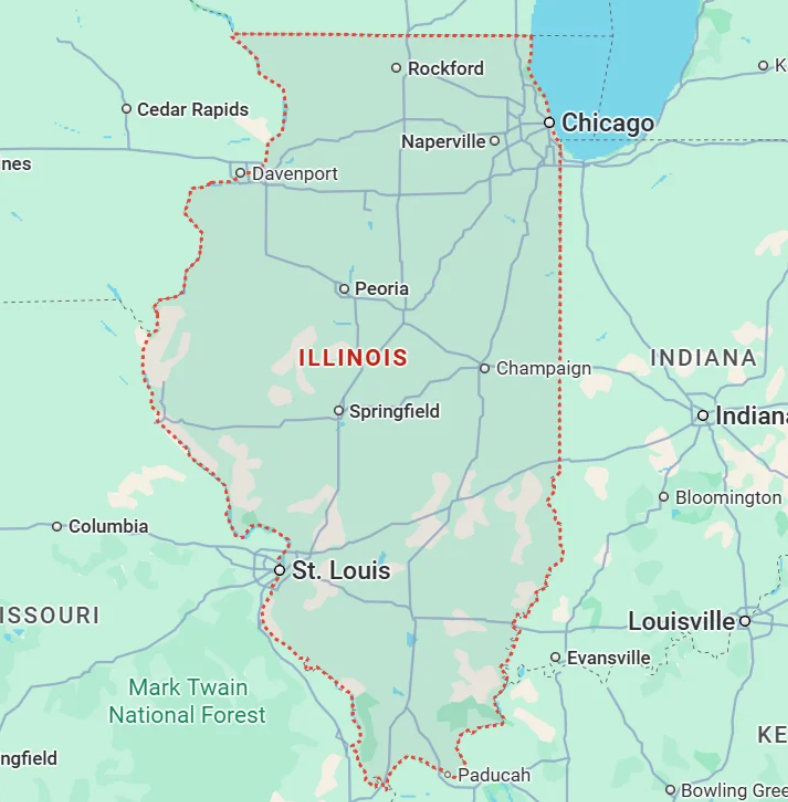
We are experienced Illinois attorneys who can help with denied life insurance cases anywhere in Illinois. Call us any time at 312-346-5320 to speak with an attorney for free.
A life insurance policy is usually meant to provide money to your loved ones after you pass away. But what happens if you’re still living—and facing a serious illness? That’s where an Accelerated Benefit Rider, or ABR comes in.
An ABR is a part of a life insurance policy that lets you access some of your policy’s death benefit early if you’ve been diagnosed with a terminal illness or a critical condition, such as advanced cancer, late-stage heart disease, or other serious health issues. This early payout can help cover medical bills, travel for care, long-term care, renovations to stay in the home, and lost income. They payout can also give peace of mind and financial support while you’re still alive.
What To Do When An Insurance Company Denies An ABR Request
Unfortunately, even when you clearly qualify, some insurance companies wrongfully deny ABR claims. They might argue that your illness doesn’t meet the definition of “terminal” or “critical,” or they may claim that you didn’t submit the right paperwork. In other cases, they may delay the claim so long that you’re stuck in limbo, waiting for the help you really need. Why does this happen? It’s usually just money and the way these insurance companies do business. Insurance companies save money by denying or delaying claims. In some cases, it may be bad faith or even breach of contract. They do it on legitimate cases all of the time. It’s very gross behavior.
How To Get The Best Life Insurance Lawyer In Illinois For Your Case
If your ABR claim has been denied, delayed, or ignored, you can hire an experienced insurance attorney to fight back against the insurance company and help you get the money you’re owed. We can connect you with someone very aggressive who will determine if you have a case and they won’t charge you to figure that out. It usually does not take very long to determine that.
If the lawyer determines your benefits have been wrongly denied, the typical step is to immediately file a lawsuit to put pressure on the insurance company. Quite often these issues resolve in a matter of weeks or a few months.
And of course there is no fee to hire an attorney and they only get paid if they make a recovery for you. So essentially it’s no risk. And while we can not guarantee a result, we do promise to give you the same legal guidance we would to a family member or friend in the same situation.
If you’re seriously ill and your insurance company is denying you the support you were promised, contact us at 312-346-5320 any time.
There are a lot of things the general public doesn’t typically know about attorneys. For example, just because someone is attorney doesn’t mean that they can guide you on all areas of law. In fact, we started our Illinois attorney referral service because too many people were going to lawyers who took on cases they weren’t qualified to handle.
Another thing people don’t realize is that most attorneys have no training on how to run a business. It’s not a class in law school. There are very few, if any, courses on how to run a business or the importance of customer service. In one famous example, a work comp lawyer had a case filed against them after an employee got hurt. The lawyer didn’t have work comp insurance because they forgot to get it when they started their new business.
A lot of great lawyers are terrible business people. And that’s one big reason why people fire their Illinois work comp attorneys and get a new one. That, and because it costs nothing to switch.
We talk to over 1,000 injured Illinois workers every year. For the ones that want to switch, it often comes down to the fact that the lawyer and their staff just don’t take time to explain things. If your TTD benefits are wrongly denied, or you can’t get approval for a surgery, you are looking toward your attorney for help. If they don’t explain what they are doing, it causes problems.
The client feels alone. The client feels helpless. In many cases, I discover through a quick search of the Illinois Workers’ Compensation Commission website that the attorney has filed all of the correct trial motions which is usually a 19(b) petition for immediate hearing. The client doesn’t know the attorney is actually doing everything they can do.
And of course, in other cases, the attorney is so overwhelmed by running a business that they do not do the work needed to really fight for their clients. Some lawyers just aren’t cut out for hiring and firing, dealing with payroll, delegating, etc. As a result, their clients end up suffering because they don’t have their act together.
The bottom line is that it’s not your fault if your lawyer isn’t doing their job well. It’s on them to explain the law to you. It’s on them to explain what they are doing to help you. It’s on them to answer your questions. If they are not doing these things, you have a right to get rid of them, and doing so won’t cost you anything in the end. Under Illinois law, attorney fees for work injuries can never exceed 20% total. The new and old lawyer would have to work out how to divide the 20%, but your bottom line wouldn’t change. In fact it would likely increase if you have someone who cares about you in your corner.
According to the Bureau of Transportation Statistics, in 2023, 3,435 railroad workers were injured while on duty. If you work for a railroad and were injured due to your job, your rights are a little different from most other workers. Instead of regular workers’ compensation, your claim may fall under a special federal law called the Federal Employers’ Liability Act, or FELA.
This guide breaks down what these cases are, how they work, and what you should do if you’re injured. Whether you’re a train operator, signal worker, conductor, or maintenance employee, understanding FELA law is key to protecting yourself and your family after an accident.
We are experienced Illinois attorneys who, since 2001, have helped people find the best Illinois personal injury lawyer for their case. You can call our office at 312-346-5320 or 800-517-1614 to speak with a lawyer for FREE, or you can fill out our contact form, and we will contact you.
FELA case law gives injured railroad workers the right to recover compensation if their employer’s negligence — even a small part — caused the injury.
FELA law is different from standard workers’ compensation because it requires proof of fault but allows larger recoveries for pain, suffering, and long-term losses.
Common causes of injury for railroad workers include unsafe equipment, toxic exposure, poor maintenance, or failure to follow safety rules.
To win a case, you must show four things: you work for a railroad, were injured on the job, the railroad was negligent, and you suffered damages.
Injured workers have up to three years to file, but early action helps preserve evidence and strengthen the claim.
Always work with an experienced attorney or FELA injury law firm — the railroad will have its own legal team protecting its interests.
IllinoisLawyers.com connects you with trusted FELA law firms, for FREE, that know how to handle FELA railroad law cases and fight for fair compensation.
What Is a FELA Case?
FELA cases give injured railroad employees the right to recover compensation when their injury was caused — even partly — by their employer’s negligence.
Unlike regular workers’ comp claims, these cases require proof that the railroad did something wrong (or failed to do something it should have). The good news? You don’t have to prove 100% fault. Even if the railroad’s negligence played a small role, that’s enough to win compensation under the FELA railroad law.
FELA vs. Workers’ Compensation
Workers’ Compensation
FELA (Federal Employers’ Liability Act)
No need to prove fault.
Must prove employer negligence (even a little).
Covers basic medical bills and lost wages.
Can include pain, suffering, emotional distress, and future earnings.
Handled by state agencies.
Governed by federal FELA law.
Quicker but smaller payouts.
Larger potential compensation, but more complex.
In short, FELA railroad cases are more like personal injury lawsuits than typical workers’ comp claims.
Who Can File a FELA Claim?
Almost anyone who works for a railroad can file a FELA claim if they were hurt on the job. This includes:
Engineers and conductors
Track maintenance workers
Signal operators
Yardmasters
Clerical employees
Even if your injury didn’t happen on the tracks — say, in a rail yard, parking lot, or company housing — FELA injury case law often still applies. The key is whether the injury was connected to your railroad employment.
Common Causes of FELA Railroad Cases
Railroad work is dangerous, and accidents can happen anywhere. Here are some common causes that lead to railroad worker injuries:
Unsafe equipment or poorly maintained tracks
Inadequate safety procedures
Fatigue from long shifts or insufficient breaks
Exposure to toxic chemicals, fumes, or asbestos
Falls from railcars or platforms
Electrical injuries
Poor lighting or slippery work areas
FELA Lawsuit Settlements
Not every case goes to trial. In fact, most FELA lawsuits end in a negotiated settlement.
A settlement is an agreement where the railroad pays a lump sum to resolve your claim. Settlement amounts depend on:
The severity and permanence of your injury
Medical costs and future treatment needs
Lost income or inability to return to work
Pain and suffering
Evidence of employer negligence
Your attorney will calculate these damages and negotiate with the railroad’s attorneys to reach a fair amount. If a fair deal can’t be reached, your FELA lawyer can take your case to trial.
Building a Strong FELA Claim
A strong case needs to show four things:
You were employed by a railroad.
You were injured while performing your job duties.
The railroad’s negligence played a part in your injury.
You suffered measurable damages (medical costs, lost income, pain, etc.).
The legal term “negligence” can sound intimidating, but it just means the company didn’t act with reasonable care. Maybe they ignored a safety rule, failed to fix a known hazard, or didn’t train you properly. Under FELA law, even a small act of negligence can make a big difference in your claim.
What Damages Can You Recover?
In FELA lawsuits, injured workers can recover:
Medical bills: All past, current, and future medical expenses.
Lost wages: Income lost while you’re recovering.
Loss of earning capacity: If your injuries affect your ability to work in the future.
Pain and suffering: Both physical and emotional trauma caused by your injury.
Permanent disability or disfigurement: Compensation for lasting harm.
Depending on the severity of the injury and strength of the evidence, some FELA settlements can reach six or even seven figures.
How Long Do You Have to File a FELA Claim?
You typically have three years from the date of your injury to file a FELA claim, starting when your injury — or work-related illness — is discovered or should reasonably have been discovered. But waiting too long can make your case harder to prove because witnesses move, evidence disappears, and memories fade.
If you think you might have a claim, contact Illinois Lawyers today to get free legal guidance and get connected to FELA law attorney as soon as possible. Acting fast gives your legal team time to build the strongest possible case.
Steps to Take After a Railroad Injury
If you’ve been hurt, follow these steps right away:
1. Get Medical Help Immediately
Your health comes first. Get checked out as soon as possible, even if your injury seems minor. Make sure the doctor documents your condition thoroughly.
Don’t rely solely on the company doctor. Many railroad doctors work closely with the employer, which can create conflicts of interest. You’re allowed to choose your own physician — and it’s usually smarter to do so.
2. Report the Accident
Notify your supervisor or safety officer in writing. Be short and factual — avoid guessing or taking blame. A simple, honest report helps build the foundation for your FELA lawsuit.
3. Collect Evidence
Take photos of your injuries, the accident scene, and any unsafe conditions. The sooner you document everything, the stronger your FELA injury case will be.
4. Contact Illinois Lawyers
Don’t face the railroad’s legal team alone. These companies often have entire departments dedicated to minimizing payouts. Working with an experienced FELA law attorney or FELA injury law firm that Illinois Lawyers recommends levels the playing field.
The lawyers we connect you with will:
Investigate your accident
Gather medical and safety records
Negotiate with the railroad’s claim agents
File your case in federal or state court if needed
Fight for the full value of your FELA case settlements
Work on a contingency fee basis, which means you only pay if they win your case.
How Illinois Lawyers Can Help You
At Illinois Lawyers, we’ve spent over 20 years helping injured workers across Illinois connect with the right attorneys for their unique situations.
When you contact us, you won’t get a sales pitch or a generic referral list. You’ll talk directly to an experienced lawyer who gives you honest, free legal advice — the same kind we’d offer a friend or family member.
Here’s how we help:
Personalized attorney matching: We’ll connect you with a trusted FELA law firm that has a proven track record of winning settlements.
Straightforward guidance: We’ll explain your rights in plain English so you understand your options before making any decisions.
No pressure, no payment: We never charge you for our advice, and no attorney pays us to be recommended. Our goal is to help you find the best FELA attorney for your case — not just anyone with a license.
Experience that matters: Because we’ve worked with so many Illinois firms, we know which law firms get results and which ones truly fight for railroad workers.
Whether you were injured in a rail yard, on a train, or during maintenance work, Illinois Lawyers can help you take the next step confidently. We make sure you’re matched with a lawyer who understands how to win your FELA claim— so you can focus on healing and getting your life back.
Call Illinois Lawyers anytime at (312) 346-5320 or (800) 517-1614.
When someone reaches out to us looking for an Illinois workers’ compensation lawyer, our goal is simple: connect them with the best attorney for their specific situation. While many attorneys handle work injury claims, only a select number consistently deliver strong results for their clients while providing excellent service (responsiveness, clear communication, etc.).
Workers compensation law can be tricky. These cases often involve complicated medical issues, long-term disabilities, and insurance companies doing everything they can to pay as little as possible. Fortunately, workers compensation lawyers in Illinois don’t charge anything upfront. They advance the case costs and only get paid if they succeed in getting a settlement for you.
When you contact us via phone, email, or chat, we will want to know how your injury happened, what your medical situation is, what your job is, and any other important details. We also listen to what matters to you. Some people want a lawyer close to home, but that’s rarely necessary. Great lawyers handle cases across the state, and you likely won’t need to travel much, if at all.
Another important factor is language. If you need a Spanish-speaking lawyer, you should not have to sacrifice quality just to be understood. The top workers’ compensation firms in the Chicago area that we work with have Spanish-speaking attorneys and staff who can assist you from start to finish without you relying on a family member to interpret.
If you’ve been hurt on the job and want to make sure you’re working with an elite lawyer who speaks Spanish, call us any time at 312-346-5320. Consultations are always free and confidential
Cuando alguien nos contacta buscando un abogado especializado en compensación laboral en Illinois, nuestro objetivo es simple: conectarlo con el mejor abogado para su situación específica. Si bien muchos abogados se encargan de reclamos por lesiones laborales, solo unos pocos ofrecen constantemente buenos resultados para sus clientes, además de brindar un servicio excelente (capacidad de respuesta, comunicación clara, etc.).
La ley de compensación laboral puede ser compleja. Estos casos suelen involucrar problemas médicos complejos, discapacidades a largo plazo y compañías de seguros que hacen todo lo posible por pagar lo menos posible. Afortunadamente, los abogados de compensación laboral en Illinois no cobran nada por adelantado. Adelantan los costos del caso y solo cobran si logran un acuerdo para usted.
Cuando nos contacte por teléfono, correo electrónico o chat, nos gustaría saber cómo ocurrió su lesión, cuál es su situación médica, cuál es su trabajo y cualquier otro detalle importante. También escuchamos sus intereses. Algunas personas prefieren un abogado cerca de casa, pero rara vez es necesario. Excelentes abogados manejan casos en todo el estado, y probablemente no tendrá que viajar mucho, o incluso no tendrá que viajar.
Otro factor importante es el idioma. Si necesita un abogado que hable español, no debería tener que sacrificar la calidad solo para que le entiendan. Las mejores firmas de compensación laboral en el área de Chicago con las que trabajamos cuentan con abogados y personal hispanohablante que pueden ayudarle de principio a fin sin que tenga que depender de un familiar como intérprete.
Si se lesionó en el trabajo y quiere asegurarse de trabajar con un abogado de élite que habla español, llámenos en cualquier momento al 312-346-5320. Las consultas son siempre gratuitas y confidenciales.
If you’ve suffered an injury at work, you’re not alone. Falls are one of the most common causes of workplace injuries in Illinois. A simple misstep can lead to serious harm, especially when you’re just trying to do your job.
At Illinois Lawyers, we are lawyers who help you find the best attorney for your case. We’ve been connecting injured workers with top Illinois workers’ compensation attorneys since 2001. Nobody pays us to recommend them. We give you the same advice we would provide to a friend or family member. Contact us at 312-346-5320 or 800-517-1614 for free, confidential legal guidance — or fill out our contact form, and we’ll reach out to you.
Key Takeaways
Your slip and fall injury at work must have a clear, work-related cause — like a wet floor or loose carpet. Unexplained or idiopathic falls aren’t covered under Illinois law.
Never speak to insurance adjusters before consulting an attorney for injury at work — they can twist your words to deny benefits.
Illinois workers’ comp can cover medical bills, lost wages, and get you a settlement when you are done with your care.
Skilled lawyers for injury at work can prove your claim, challenge denials, and handle insurance negotiations.
What Counts as a Slip and Fall Injury at Work?
In Illinois, workers’ compensation covers most job-related injuries, but not every fall automatically qualifies. To have a valid claim, you need an explained fall — one with a clear, work-related reason.
Examples include:
The floor was wet or slippery.
You tripped on loose carpeting or debris.
You were carrying work materials and lost balance.
If you simply fell for no clear reason — for example, fainting or losing balance without any workplace factor involved — that’s considered an unexplained or idiopathic fall. In Illinois, that usually does not count as a compensable injury claim.
Why “Explained” Falls Matter
Illinois workers’ compensation is a no-fault system, so you don’t have to prove your employer was negligent — but your injury must still be work-related. If you can’t explain why you fell, the insurance company may claim your accident wasn’t caused by work. Clear details strengthen your case, so describe exactly what happened.
Never give a recorded statement without first speaking to an injury at work attorney. Adjusters often try to get you to admit you “don’t know why” you fell — and that can ruin your claim. Stick to the facts and get legal advice before you speak.
Common Injuries from Workplace Falls
Falls can cause anything from minor bruises to serious, long-term injuries. Common examples include:
Back injury: Falls can cause herniated discs, muscle strains, or spinal damage. A severe back injury from a slip and fall at work may require surgery and months of rehab.
Head injury: Even short falls can cause concussions or traumatic brain injuries. Symptoms may take hours to appear, so get medical care right away.
Fractures and sprains: Broken wrists, knees, or shoulders are common, along with torn ligaments and nerve damage.
What to Do Right After a Fall
Act fast after your accident to protect your health and your claim. Here’s what to do:
Get medical treatment immediately: Even if you feel okay, see a doctor. Some injuries show up later. Tell your doctor it happened on the job, so it’s documented.
Report it to your employer: Notify your supervisor right away and file a written report. Keep a copy for your records.
Identify witnesses: Get contact info for anyone who saw the fall or knows about the hazard.
Document the scene: Take photos of spills, uneven floors, or cords before they’re cleaned up or repaired.
Call Illinois Lawyers: Before speaking to insurance, talk to an attorney for injury at work to protect your rights.
Follow all medical advice: Attend every appointment and follow treatment plans to show your injury is serious.
Your Right to Workers’ Compensation
If a work-related hazard caused your injury, you’re likely covered under the Illinois Workers’ Compensation Act. Benefits can include:
Full payment of medical expenses. No co-pays, no out of pocket expenses.
Temporary total disability (TTD) 2/3 of your average weekly wage if you can’t work during recovery.
Permanent partial disability A settlement to compensate you for the extent of your injuries.
Vocational rehabilitation if you can’t return to your old job, they need to pay to help you find a new one.
Why You Need Legal Help
We always hear the question “Do I need a lawyer for workers’ compensation?”. Yes. Workers’ comp sounds simple, but it rarely is. Insurance companies have legal teams focused on cutting payouts, so you need someone who knows the system and fights for you.
An experienced lawyer can:
Prove your fall was work-related.
Challenge denials and stop a nurse case manager from interfering with your case.
File all paperwork at the Illinois Workers’ Compensation Commission including trial motions.
Deal with adjusters so you don’t have to.
Go to trial when needed.
The good news: injury at work attorneys work on contingency in Illinois — no upfront fees, and they only get paid if you win (typically 20% of your recovery). You will almost always end up with more money in the end with a lawyer, even after their small fee.
How Illinois Lawyers Helps Injured Workers
At Illinois Lawyers, we connect you directly with trusted lawyers for injuries at work across Illinois — fast, free, and confidential.
Here’s how we help:
Free consultations: Get real advice, not sales pitches.
Right match: We pair you with the best lawyers for injury at work who focus only on workers’ comp cases.
Proven experience: Our network attorneys handle these cases regularly and have a proven track record.
No upfront fees: You don’t pay unless you win.
Full support: From explaining your rights to fighting insurance denials, your lawyer for injury at work handles it all.
Call (312) 346-5320 or (800) 517-1614 for free, 24/7 advice. We’ll make sure you talk to someone who knows the system — and knows how to win your case.
If you’re a Southwest Airlines employee hurt on the job — whether it happened at Southwest Airlines Chicago Midway Airport, O’Hare, during a flight, or even if you live in another state and were injured on a layover here or on a flight that originates from here — you may be eligible for Southwest Airlines workers’ compensation.
At Illinois Lawyers, we’ve connected injured airline employees with the best Illinois workers’ compensation lawyer for over two decades. We are attorneys who help people find the best law firm for their case. Nobody pays us to recommend them. We give you the same advice we would give to family members or friends.
If you’ve been hurt while working for Southwest Airlines, contact Illinois Lawyers today for a FREE legal consultation. We have helped hundreds of airline employees and would love to help you.
Key Takeaways
Illinois law protects all injured airline employees. If you’re hurt while working for Southwest Airlines, you may qualify for workers’ compensation benefits.
You don’t have to prove fault. Illinois has a no-fault workers’ comp system, meaning you can get medical care, wage replacement, and disability benefits without proving your injury.
Common airline injuries include lifting baggage, slips and falls, repetitive motion injuries, turbulence injuries, and weather-related accidents — all of which can qualify under workers’ compensation claims.
Act fast after a work injury. Report the accident, get medical treatment, and call Illinois Lawyers before signing any forms from the airline or their insurer. Early legal help protects your benefits.
Illinois Lawyers makes it easy to get help for FREE. We connect you with the best workers’ comp lawyer in Illinois—experienced attorneys who handle Illinois workers’ compensation claims and are only paid if you do.
How Southwest Airlines Workers’ Compensation Works
Like every other employer operating in Illinois, Southwest Airlines in Illinois is required to provide coverage under the Illinois Workers’ Compensation Law.
That means if you’re a ramp agent, baggage handler, flight attendant, or ground crew member who gets hurt while performing your job, you have a right to:
Paid medical treatment
Wage replacement while you can’t work
Payment for the permanent nature of your injuries, also known as a settlement
In Illinois, workers’ comp is a no-fault system — meaning you don’t have to prove your employer did anything wrong, just that your injury arose out of and in the course of employment for Southwest Airlines Illinois.
Common Airline Workers’ Compensation Claims
Injuries at Southwest Airlines are typically caused by:
Heavy lifting (baggage and cargo handling)
Slips and falls on wet ramps or jetways
Equipment or tug accidents
Repetitive motion injuries
Turbulence-related flight injuries for flight attendants
Injuries while traveling after a flight which are also covered under the law if you are a pilot or flight attendant or other traveling employee.
Even minor injuries can lead to long-term pain or job restrictions. Talking to a lawyer for workers’ compensation right away can help you protect your benefits before the company or insurer starts delaying or denying your claim.
What to Do After a Work Injury at Southwest Airlines
If you get hurt while working for Southwest Airlines Illinois, here’s what to do right away:
Report the injury to your supervisor as soon as possible.
Get medical treatment and explain that the injury is work-related.
Document everything — dates, witnesses, and symptoms.
Call Illinois Lawyers to learn your rights before signing anything from the airline or their insurer, and get connected to a lawyer for workers’ compensation. We can help you learn what to look out for, decide if you need a lawyer and if so, which one is best for you. If we recommend an attorney it will be someone who is very experienced with a track record of success in airline injury claims.
Our goal is simple — to connect you with an experienced workers’ comp lawyer in Illinois for your specific situation. Since 2001, we’ve helped thousands of injured employees get the benefits they deserve after a job-related injury.
If you’ve been injured at Southwest Airlines in Illinois, here’s what we’ll do for you:
Free Legal Guidance: You can call us anytime for a confidential, no-pressure conversation about your injury and your rights.
Lawyer Referrals You Can Trust: We only recommend experienced attorneys with proven results in Illinois workers’ compensation cases.
Local Experience That Matters: The lawyers we refer regularly appear before Illinois Workers’ Compensation Commission Arbitrators and know how to handle complex claims involving Southwest Airlines Midway Airport.
No Upfront Fees: Every lawyer for workers’ comp we recommend works on contingency — meaning you pay nothing unless you recover benefits or a settlement.
Personalized Help, Not Call Centers: When you contact us, you’ll speak directly with an Illinois attorney who understands how to navigate claims for flight attendants, ramp agents, and other airline employees.
If you’ve been hurt while working for Southwest Airlines Midway Airport, you don’t have to face the airline or its insurance adjusters alone. We can connect you with the best workers’ comp lawyer in Illinois who regularly handles airline and airport injury claims.
Call (312) 346-5320 or (800) 517-1614 for a free consultation — no appointment needed.
FAQs
What Is Workers’ Comp?
Workers’ comp is insurance that provides wage replacement and medical benefits to employees injured on the job.
How Much Does Workers’ Comp Pay?
Workers’ comp typically pays about two-thirds of your average weekly wage while you recover from a work-related injury. It also pays 100% of your medical bills.
Will I Get a Settlement From Workers’ Comp?
Yes, you can get a workers’ compensation settlement in Illinois if you have an on-the-job injury, but it requires an agreement between you and the insurance company. If you can not agree, you can go to trial and an Arbitrator will award you a payment.
I have had at least five people ask me if I was going to blog about Kim Kardashian failing the California bar exam and blaming it on getting bad advice from ChatGPT. I have tried to resist, but here we go.
First off, I have no idea how you study for the bar exam with ChatGPT. There are a bunch of bar exam prep classes that walk you through the test and help you prepare. If she did not do that then that is her fault and likely the reason she failed it in my opinion. That and not actually going to law school.
If she did rely on ChatGPT or other AI programs for legal advice, she is certainly not alone. Every week I get calls from people who are trying to confirm what AI told them about their legal situation. And like Kim K, they usually discover that ChatGPT does not know what it is doing. It is like taking legal advice from your washing machine.
AI programs can not deal with nuance which is something almost every legal situation has. They are regurgitating sentences based on programming and info they have been given. That is not real legal advice. And if it is wrong as often as it is right, that is a huge problem. It would be a huge problem if it was only wrong 1-2% of the time. You would not want a lawyer who you could never be sure if they are correct.
A recent example was an injured worker who insisted to us that his case was worth $50,000 because AI told him it was. In his case, he did not go to a doctor until 60 days after the injury and also did not report to the first medical provider that he was hurt at work. That greatly affects his case. We asked him what AI said about those factors and of course there was no answer to that. Nuance and unique case facts are everything when it comes to offering a real legal analysis.
In another case, a client had used ChatGPT to come up with case law. The problem was that he found criminal case law and he was involved in a civil law suit. In other words, if those cases are actual real cases and not hallucinated by AI, they are still not relevant in any way.
I get why people want to figure out things on their own or hope to save some money. But the truth is that ChatGPT is not it. It has no idea what it is doing and even if you ask the questions perfectly, it can not anticipate case issues, responses by the other party, how the Judge will feel, variables that can change the correct answer and many other things that are relevant.
I had one attorney tell me about a client who did not want to pay $500 to translate a legal document, but instead wanted to rely on a ChatGPT language translation. If that was entered into court and there were any mistakes, the client and the lawyer would likely face a significant fine.
In another case, we got called the day before the statute of limitations to file a lawsuit would cause the case to be barred forever. When I asked the injured person why they waited so long to reach out for legal help, they told me that ChatGPT was acting like a paralegal advisor for them and they felt comfortable handling the case on their own.
When I asked if the AI gave advice on medical liens, they told me that they did not know anything about that. When I asked if the AI advised them about the time limits to sue, they told me it did not. When I asked if the AI talked to them about UIM coverage or verifying policy limits, he said it did not. I ended up not being able to help because they came to me with too little time to spare. End result is they lost their chance to recover anything.
ChatGPT is limited to what it knows and what you ask. It can spit out generalities, but you will never know what you or it is not thinking of and how that can harm you. And you will never know when it is giving you advice that does not apply to your situation or is just plain wrong.
Back to Kim K. Her not passing the bar exam will not change her life in any meaningful way. I don’t think anyone anticipated she was ever going to actually work as a lawyer and she clearly does not appear willing to do the hard work needed to accomplish her goal of a law license. I can not even fathom how you would “study” for the bar exam by asking a computer questions. If you are a law student, I can not recommend enough that you avoid this route. Take the normal bar exam prep classes that have an actual track record of helping people pass the exam.
And if you are a regular person with legal issues, while there is nothing wrong with researching how cases work or what might happen, if you are making decisions off of AI that is likely at least partially wrong, you are risking your whole case falling apart.
A recent caller had a question about her Illinois workers’ compensation settlement. Her lawyers were pushing her to take an annuity. That means instead of getting a lump sum settlement where she gets all of the settlement money at once, she’d get paid out over time.
She told me the name of her lawyers, and I had never heard of them. I looked them up, and they mentioned annuities on their website which is really odd. I have no proof, but I wouldn’t be surprised if they got a kickback from setting up annuities or somehow had a financial motivation to do so. This was a smart woman who definitely doesn’t need a structured settlement.
The answer to her question, as to if she had to do this, was a quick and firm NO!!!
Nobody has to take an annuity or structured settlement. Is it a good idea for some people? Sure. If you win a big lawsuit and suddenly have millions coming to you, but prior to that were broke, it might help you not overspend and go broke again. We’ve seen that happen to too many people.
These annuity devices can be a good way to help you stay within your means. It can also help prevent people from coming after you for money once they hear about it. It’s also a great idea for young people who get money before their brain is fully formed and may not make the best decisions.
Side note, if you ever get a settlement whether big or small, I HIGHLY recommend that you not tell anyone about it. And definitely don’t post about it on social media.
Back to our regularly scheduled blog post. If you feel comfortable managing a large sum of money or if you just want it all now, you don’t have to take a payout over time. If you want to waste it all on hookers and blow, I can’t advise that but also can’t stop you.
Most people we come across are smart enough to not waste all of this money or get swindled by others. Your lawyer can certainly make recommendations, but they can’t refuse to go through with a settlement if you say you want all of your money at once.
By the way, no attorney gets their payment over time. They are getting paid all at once. If it’s good enough for them, it’s good enough for you.
Bonus tip. If you’ve gotten to the settlement point and your lawyer is insisting you take your payments over time even though all of the money is coming in at once, there’s not much we can do for you other than tell you to push back. The time to get a new lawyer is before problems like this begin.
When facing criminal charges in Illinois, the most important decision you can make, beyond keeping your mouth shut, is choosing the right attorney. While experience in criminal law is essential, it is equally important that your lawyer is familiar with the specific courthouse where your case will be heard. If you have a case at the north suburban Skokie Courthouse, the attorney you hire should be there representing clients on a regular basis.
The common saying, “It’s not what you know, it’s who you know,” holds true in criminal court. The courtroom familiarity and relationships with the Judges and clerks that your lawyer brings to the table can majorly affect the outcome of your case. It shouldn’t be that way, but it’s the reality. And this is true in most courthouses in Illinois and presumably in the country.
At the Skokie courthouse, located at 5600 Old Orchard Road, criminal cases ranging from retail theft to unlawful use of a weapon to domestic battery are heard every day. Prosecutors rotate frequently, but many of the Judges at this courthouse serve for years, sometimes decades.A seasoned attorney who appears regularly in the Skokie courthouse will be familiar with the tendencies and expectations of the presiding Judges. They will understand which arguments are most persuasive in each courtroom. They will know how Judges approach sentencing, especially for first-time versus repeat offenders. Even subtle insights, like knowing which judge tends to end court early on Fridays, or which ones are more receptive to certain plea deals, can influence your case.
While outcomes can never be guaranteed, the reality is that two defendants with similar charges can receive vastly different outcomes on the same day, simply because of who represents them. An attorney unfamiliar with the Skokie courthouse may be competent in general, but may not have the insight or courtroom credibility that comes from consistently practicing there. A good result doesn’t always mean complete dismissal of the charges.
Sometimes, it means probation instead of jail time. Or a reduced sentence, such as six months instead of three years. Or keeping your record clean and getting you in a diversion program.
Judges are people to and just as you would treat someone you are around all of the time differently than someone you don’t expect to see again, Judges will at times treat “regulars” better than they do outsiders.
We work closely with experienced criminal defense attorneys who appear in the Skokie courthouse on a regular basis and have a proven track record of success. That of course doesn’t guarantee a result, but in our opinion increases your chances of success. If you need guidance or would like a free, confidential referral to an attorney who knows their way around the Skokie court system, call us any time at 312-346-5320.
When a woman gives birth, labor usually follows a certain rhythm. But sometimes, labor takes much longer than expected. This is called long, extended, or slow labor. It can be exhausting and dangerous for both the mother and the baby if not properly managed by health care workers.
Long labor happens when the process of childbirth moves very slowly or stops altogether. In medical terms, if labor lasts more than 20 hours for a first-time mother or more than 14 hours for a woman who has given birth before, it is considered unusually long. Sometimes labor progresses normally at first but then slows down or stalls.
Several factors can cause slow labor, including:
The baby’s size: A very large baby might not fit easily through the birth canal. The baby’s position: If the baby is breech (not facing the right way), it can make labor harder. Weak contractions: If contractions are too weak or too far apart, they may not cause the cervix to dilate at a proper rate. Pelvic shape or size: Some women have pelvic shapes that make natural delivery more difficult. Exhaustion: If a mother is extremely tired or stressed, it can affect how labor progresses.
Doctors and nurses should closely monitor labor and take action if it is not moving along as it should. Long labor increases the risk of serious complications, such as:
Infection: Especially if the mother’s water has broken and labor is delayed. Fetal distress: The baby may not get enough oxygen, leading to an abnormal heart rate. Uterine rupture: In rare cases, the uterus can tear, which is life-threatening. Postpartum hemorrhage: Heavy bleeding after delivery is more likely after a long labor.
If long labor isn’t properly handled, devastating injuries can happen. For the baby, these can include brain damage due to lack of oxygen, cerebral palsy that affects movement and muscle control, skull fractures, and nerve injuries, especially to the shoulders (called brachial plexus injuries). Babies can heal from some injuries, but other injuries will impact the rest of their lives.
OBGYNs and their nurses are trained to recognize and respond to signs of slow labor. When they fail to act appropriately, life-changing injuries can occur. If you would like to speak to an attorney about medical negligence during your long or slow labor, contact us at 312-346-5320. There’s never a fee unless the case is successful. We handle birth injuries everywhere in Illinois. We promise to treat your case like you are a family member or friend.